
Ready to feel the rush of wind as you speed down a hill on your longboard? Downhill longboarding isn’t just about riding—it’s about mastering control, balance, and speed.
If you’ve ever wondered how to get started, this guide is for you. You’ll learn the essential steps to gear up safely, find the right hills, and build the skills that keep you confident as you pick up speed. Whether you’re a complete beginner or looking to improve, understanding the basics will help you enjoy the thrill while staying safe.
Keep reading to discover how you can take your first ride into the exciting world of downhill longboarding.

Credit: www.youtube.com
Choosing Your Gear
Choosing the right gear is the first step in downhill longboarding. The correct equipment keeps you safe and improves your riding experience. Gear affects your control, speed, and comfort on the board. Invest time in picking gear that fits your needs and skill level.
Selecting The Right Longboard
Start with a longboard designed for downhill riding. Look for a board with a stiff deck for stability at high speeds. A longer wheelbase offers better control on steep hills. Choose trucks that allow smooth turns but stay firm during fast rides. Pick wheels that are soft enough to grip the road but hard enough to slide when needed.
Essential Safety Gear
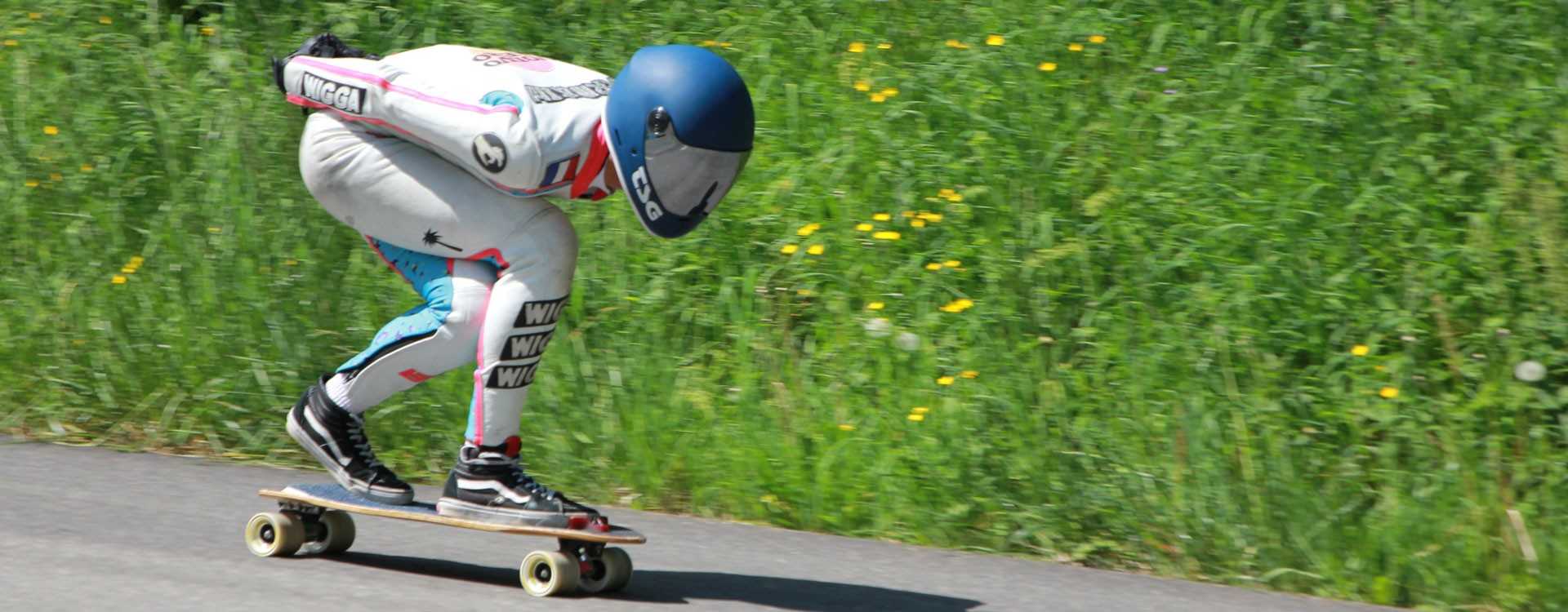
Safety gear protects you from injuries during falls. A full-face helmet is best for downhill longboarding. Wear slide gloves to protect your hands and help with balance. Knee and elbow pads reduce the risk of scrapes and bruises. Consider padded shorts for hip protection. Never skip safety gear, even on short rides.
Footwear And Clothing Tips
Wear sturdy shoes with flat soles for a good grip on the board. Avoid running shoes with thick soles or heels. Choose breathable clothing that allows free movement. Long sleeves and pants help protect your skin from scrapes. Dress in layers to adjust to changing weather conditions on the hill.
Basic Riding Techniques
Starting downhill longboarding requires learning some basic riding techniques. These techniques build your confidence and control on the board. You will feel safer and more comfortable as you practice.
Focus on stance, balance, starting, stopping, turning, and carving. Each skill helps you handle different situations on the hill. Practice regularly to improve your technique and enjoy the ride.
Stance And Balance
Your stance is the foundation of good riding. Place your feet shoulder-width apart on the board. Keep your knees slightly bent for better shock absorption. Lean your body forward slightly to stay balanced.
Distribute your weight evenly between both feet. Look ahead, not down at your board. This helps maintain balance and react quickly to changes on the road.
Starting And Stopping
To start, push off gently with one foot while keeping the other foot on the board. Gain speed gradually to stay in control. Avoid sudden pushes that can throw off your balance.
Stopping safely is crucial. Use foot braking by dragging your back foot on the ground. Apply pressure slowly to reduce speed without falling. Practice sliding your foot smoothly to stop at any time.
Turning And Carving
Turning involves shifting your weight to one side of the board. Lean into the turn with your shoulders and hips. Keep your knees bent to absorb the force during the turn.
Carving means making smooth, flowing turns. Move your weight from the toe edge to the heel edge gently. This technique controls speed and helps navigate curves on the hill.
Learning To Control Speed
Controlling speed is key to safe downhill longboarding. It helps you stay balanced and avoid crashes. Learning to manage your speed builds confidence on the board. This skill keeps your rides smooth and enjoyable. Focus on simple techniques to slow down effectively. Practice often to get comfortable with each method. Understanding how to control speed lets you handle different slopes easily.
Foot Braking Methods
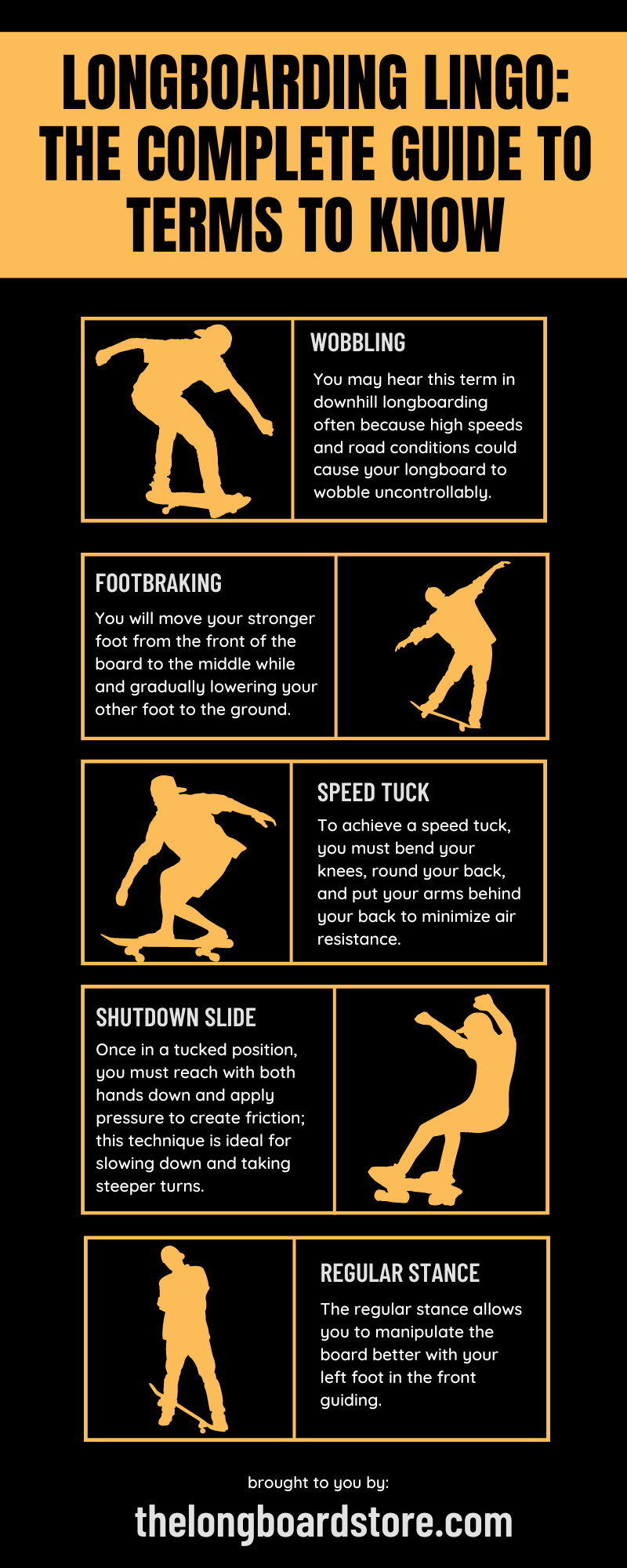
Foot braking is the easiest way to slow down. You drag one foot gently on the ground while riding. Keep your foot relaxed and flat to avoid sudden stops. This method works best at low to medium speeds. It helps you reduce speed gradually. Practice shifting your weight to keep balance while foot braking. Use it on gentle slopes or before turns to stay safe.
Sliding Techniques
Sliding is a popular way to control speed at higher speeds. It involves turning the board sideways to slide and reduce momentum. Start with small slides on gentle hills to build skill. Wear full protective gear to avoid injuries during slides. Learn to shift your weight and lean properly to control the slide. Sliding takes practice, but it lets you slow down smoothly on steep hills.
Using Terrain To Slow Down
Terrain features help manage your speed naturally. Look for uphill sections or rough patches to reduce speed. Gravel or grass at the roadside can slow you down safely. Plan your route to use these natural brakes. Always scan the path ahead to choose the best spots. Using terrain reduces the need for harsh braking. It also helps keep your board stable on long runs.
Credit: www.thelongboardstore.com
Practicing On Hills
Practicing on hills is a key step in learning downhill longboarding. It builds confidence and improves control. Starting on the right hills helps you develop skills safely. Gradually trying steeper slopes tests your progress. Safety must always be the top priority when riding downhill.
Choosing Beginner-friendly Hills
Look for hills with a gentle slope to start. Avoid busy roads and sharp curves. Find smooth pavement without cracks or debris. A hill with a 3-5% grade works well for beginners. This allows you to practice balance and braking. Choose quiet areas like parks or residential streets. Make sure the hill ends in a flat, open space.
Progressing To Steeper Slopes
After mastering easy hills, try ones with a steeper incline. Increase the slope gradually to avoid losing control. Steeper hills let you gain speed and improve carving. Practice sliding techniques to slow down safely. Stay relaxed and keep your weight centered. Spend time on each hill until you feel comfortable before moving on.
Safety Precautions On Downhills
Wear full protective gear, including helmet, kne,e and elbow pads. Check your longboard’s wheels and trucks before each ride. Always scout the hill for obstacles and traffic. Ride with a friend or tell someone your location. Avoid riding in wet or poor visibility conditions. Know your limits and stop if you feel unsafe.
Building Confidence And Skills
Building confidence and skills is key to enjoying downhill longboarding safely. It takes time and effort to feel comfortable riding at speed. Developing control, balance, and technique improves your experience and reduces risks.
Start slow and focus on learning the basics. As your confidence grows, you can try steeper hills and faster speeds. Consistent practice and supportive guidance help boost your skills steadily.
Finding Local Communities
Joining local longboarding groups connects you with riders near you. These communities often share tips, safe spots, and events. You can learn from others and find riding partners. Social media and forums are good places to start your search.
Riding With Experienced Longboarders
Riding alongside skilled riders helps you learn faster. Watch their techniques and ask questions. They can offer advice on safety gear and riding styles. Group rides allow you to practice in a supportive setting. This builds your confidence and exposes you to new challenges.
Regular Practice And Skill Sessions
Practice frequently to improve your balance and control. Set aside time for skill sessions focusing on turns, braking, and slides. Repeat sections until you feel comfortable. Gradual progress helps you avoid injuries and enjoy the sport more.
Maintaining Your Equipment
Maintaining your downhill longboarding equipment is key for safety and performance. Regular checks keep your board ready for fast rides. Careful upkeep helps avoid accidents and costly repairs. Spending time on maintenance ensures smooth, controlled runs every time you hit the hill.
Checking And Tightening Trucks
Trucks connect the wheels to your board and affect turning. Loose trucks cause wobbling at high speeds. Tight trucks reduce speed but improve stability. Use a skate tool to check bolts regularly. Tighten or loosen them to match your riding style. Avoid over-tightening, which can damage parts or limit movement.
Replacing Bearings And Wheels
Bearings help your wheels spin smoothly and fast. Dirt and moisture can cause bearings to rust or slow down. Clean bearings with a solvent and dry them well. Replace bearings if they feel rough or noisy. Wheels wear down from rough surfaces and impact. Swap wheels when they become flat or cracked to keep a good grip and speed.
Board Care And Storage
Keep your board dry and clean after every ride. Wipe off dirt and moisture with a soft cloth. Store your board in a cool, dry place away from sunlight. Avoid leaving it in hot cars or damp areas. Proper storage prevents warping and damage to the deck. Check the deck regularly for cracks or chips and replace if needed.
Credit: fulkit-skateboards.com
Frequently Asked Questions
How Fast Do Longboarders Go Downhill?
Longboarders can reach speeds up to 70 mph downhill. Average riders typically go between 20-40 mph safely.
How To Get Into Downhill Mountain Biking?
Start with basic skills on easy trails using a suitable downhill mountain bike. Wear protective gear and practice regularly. Join local riding groups to learn techniques and improve. Gradually tackle more technical downhill sections to build confidence and control.
Are Longboards Good For Downhill?
Longboards are excellent for downhill due to their wide decks and stable wheelbases. They offer control at high speeds. Specialized downhill longboards improve safety and performance. Riders can achieve fast, smooth descents while maintaining balance and maneuverability. Proper practice enhances downhill longboarding skills effectively.
What Is Downhill Longboarding Called?
Downhill longboarding is also known as speedboarding. It involves riding fast downhill, requiring skill in sliding, drifting, and braking safely.
Conclusion
Getting started with downhill longboarding takes patience and practice. Begin with basic gear and safety equipment. Find local riders or groups to learn from. Practice on gentle slopes before tackling steeper hills. Focus on controlling your speed and balance. Remember, every rider improves with time and effort.
Stay safe and enjoy the thrill of the ride. Downhill longboarding can become a fun and rewarding hobby. Keep pushing your limits carefully and have fun on every run.

