
Have you ever wondered if you can take your longboard to a skatepark and ride alongside skateboarders and BMX bikers? If you’re itching to try out those smooth ramps or bowls with your longboard, you’re not alone.
But before you roll in, it’s important to know what’s allowed, what’s safe, and how to make the most of your time at the park without causing trouble. You’ll discover the real deal about longboarding at skateparks—what rules you need to follow, the risks involved, and tips to enjoy your ride while respecting others.
Ready to find out if your longboard belongs at the skatepark? Keep reading!
Credit: www.thelostlongboarder.com
Longboarding At Skateparks
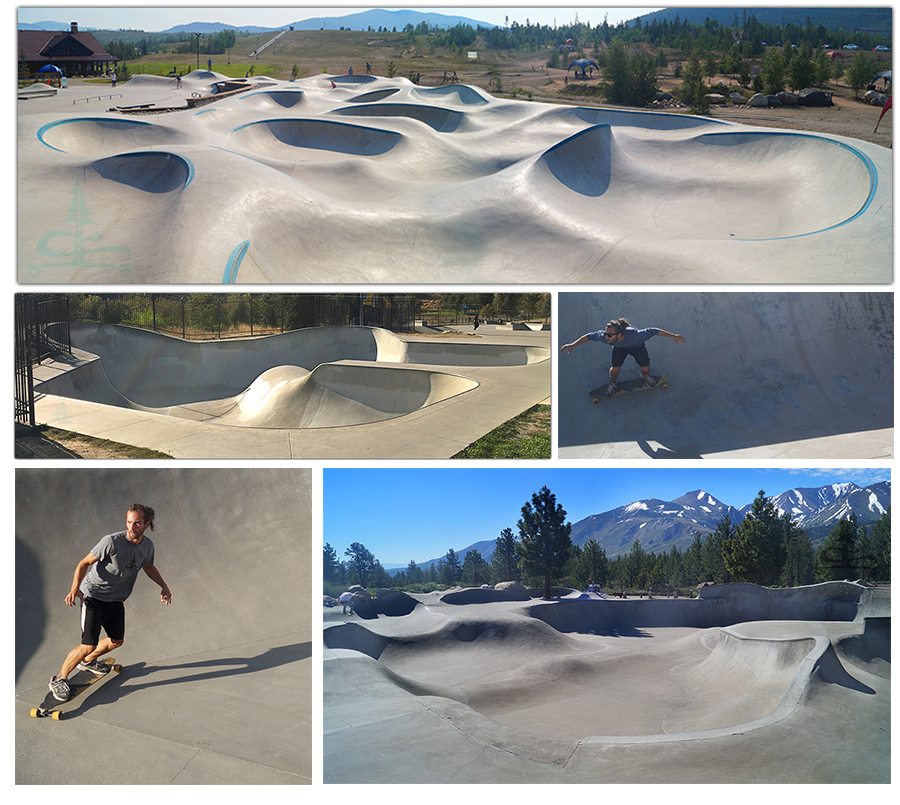
Longboarding at skateparks is a topic that interests many riders. Skateparks are popular places for skating sports. They provide smooth surfaces and ramps for tricks and cruising. But are skateparks suitable for longboards? This section explores the relationship between longboarding and skateparks.
Skatepark Design And Purpose
Skateparks are designed mainly for skateboards and BMX bikes. They have bowls, rails, and ramps made for tricks. The surfaces are smooth to allow fast movement. The design aims to challenge skateboarders with technical features. Longboards, which are bigger and heavier, do not fit these designs well. The tight spaces and sharp edges can be risky for longboard riders.
Differences Between Skateboards And Longboards
Skateboards are shorter and have small wheels. They are made for tricks and quick turns. Longboards are longer with bigger wheels. They are built for speed and smooth rides. Skateboards are more agile in skateparks. Longboards need more space to turn and stop. Their size makes it hard to perform tricks on skatepark obstacles. These differences affect how each board works in the park.
Common Restrictions On Longboards
Many skateparks have rules about longboards. Some parks do not allow them at all. The reasons include safety concerns and damage risk. Longboards can be dangerous in crowded parks. Their speed and size may cause accidents. Parks want to protect all users and keep the area safe. Check local rules before riding a longboard in a skatepark. Respecting these restrictions helps everyone enjoy the space.
Rules For Longboarding
Longboarding at a skatepark can be fun, but requires following certain rules. These rules keep everyone safe and happy. They help avoid accidents and conflicts. Understanding the rules is the first step to enjoying your ride.
Local Skatepark Policies
Each skatepark has its own rules about longboarding. Some parks allow longboards only at certain times. Others may ban them completely to protect the park’s surface. Check with your local skatepark before riding. Signs at the park often list important rules. You can also ask park staff or visit their website for details.
Safety Gear Requirements
Wearing safety gear is often mandatory for longboarders. Helmets are usually required by law or park rules. Knee pads, elbow pads, and wrist guards add extra protection. Good shoes with grip help control your board. Safety gear reduces injuries and builds confidence for all riders.
Etiquette Around Other Riders
Respect other riders by sharing the space. Keep a safe distance from skaters and bikers. Avoid sudden stops or sharp turns near others. Let faster riders pass safely and politely. Announce your moves, like stopping or turning. Good manners make the park fun for everyone.
Safety Tips For Skatepark Longboarding
Longboarding at a skatepark can be fun but requires attention to safety. Skateparks have unique features and surfaces that need special care. Following safety tips helps prevent injuries and makes your ride smooth. Here are key points to consider before you start longboarding at a skatepark.
Choosing The Right Longboard Setup
Select a longboard with a stable deck and good grip tape. A wider deck offers more balance on ramps and bowls. Use softer wheels for better traction on concrete surfaces. Trucks should be loose enough for smooth turns but tight enough for control. Proper setup reduces falls and improves handling on skatepark features.
Protective Equipment Essentials
Wear a helmet designed for skateboarding or longboarding. Wrist guards protect against common fall injuries. Knee and elbow pads cushion impacts on hard surfaces. Gloves help protect your hands during slides or falls. Using all protective gear lowers injury risks and boosts your confidence.
Riding Techniques For Skatepark Features
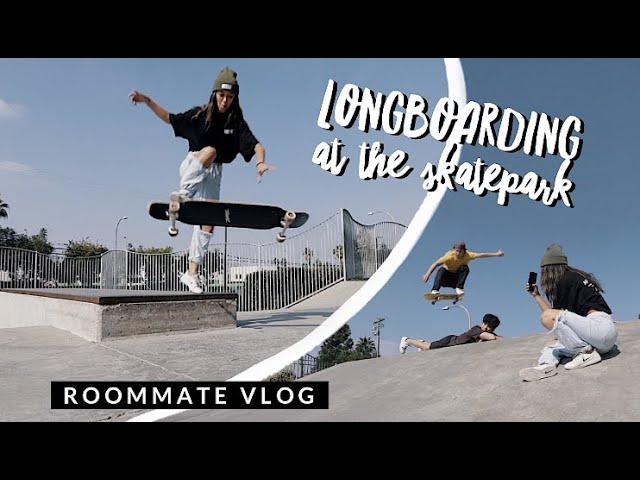
Start slow and learn to read the skatepark layout. Approach ramps, bowls, and rails carefully to maintain control. Keep your weight centered and bend your knees to absorb shocks. Practice sliding and carving to navigate tight turns safely. Avoid crowded areas and respect other riders’ space at all times.
Credit: www.youtube.com
Legal Considerations
Understanding legal considerations is crucial before longboarding at a skatepark. Rules vary by location and can affect where and how you ride. Ignoring these rules may lead to fines or other penalties.
Skateparks often have specific regulations that differ from public streets. Knowing these rules helps keep you safe and respectful of other park users.
Local Laws Impacting Longboard Use
Local laws decide if longboards are allowed in skateparks. Some cities ban longboards in skateparks to prevent accidents. Others treat longboards like skateboards and allow them with rules. Always check city or park websites for specific rules. Police or park staff can also give guidance.
Differences Between Street And Skatepark Riding
Street riding and skatepark riding have different legal rules. Streets often classify longboarders as pedestrians or cyclists. Riders must follow traffic signals and use bike lanes when available. Skateparks usually have rules about which boards are allowed. Longboards may be restricted due to size or speed. Riding style also differs; parks focus on tricks, streets on travel.
Consequences Of Violating Rules
Breaking skatepark rules can lead to warnings or fines. Repeat violations may cause bans from the park. Legal trouble could arise if riding endangers others. Damage to park property may require compensation. Respecting rules helps keep skateparks open and safe for everyone.
Alternatives To Skatepark Longboarding
Longboarding at skateparks may not always be the best option. Many skateparks have rules that limit longboard use. The design of skateparks favors skateboards and BMX bikes. Longboards can be too large or hard to control on tight ramps. This makes it important to find other places to ride safely and enjoy longboarding fully.
Here are some great alternatives to skatepark longboarding that offer more space and fewer restrictions.
Street And Bike Lane Riding
Riding on streets and bike lanes is a popular way to longboard. Many cities allow longboards on bike paths and slow streets. These areas provide smooth pavement and enough room to cruise. Always check local laws before riding on roads. Wearing safety gear is essential to protect yourself. Be aware of cars and pedestrians to stay safe.
Longboard-friendly Parks And Trails
Some parks and trails welcome longboard riders. These spots often have wide, paved paths perfect for smooth rides. Parks give a relaxed setting with less traffic than streets. Trails can offer scenic views and gentle slopes for beginners. Look for locations that permit longboards and have good surface conditions. Riding in these areas can improve skills and offer a peaceful experience.
Organized Longboarding Events
Longboarding events bring riders together for fun and learning. Events may include races, group rides, or skill workshops. These gatherings happen in safe, controlled places designed for longboarding. Joining events helps connect with other riders and discover new spots. Events often have rules that keep riding safe and enjoyable for everyone.
Community Insights
Understanding the community’s view on longboarding at skateparks helps clarify many common questions. Longboarders and skateboarders share these spaces, but their experiences often differ. Hearing from those who regularly ride in parks gives a clearer picture.
The community’s insights show what works and what doesn’t. They reveal the challenges and share practical advice. This helps anyone interested in longboarding at skateparks to prepare better.
Skaters’ Experiences With Longboards In Parks
Many skaters enjoy riding longboards in skateparks. They say longboards offer a smooth ride on flat areas. Some find it fun to try gentle slopes and small ramps. However, longboards are harder to use on tight turns and bowls. Skateboarders often find longboards less agile in crowded spots. Still, the community welcomes respectful longboarders who avoid risky moves. Sharing the space works best when riders communicate and stay aware.
Common Challenges Faced
Longboarders face several challenges at skateparks. The size and shape of longboards make sharp turns difficult. Some ramps and rails are designed for shorter skateboards, not longboards. This can limit tricks and smooth navigation. Another issue is speed control on steep ramps, which can be tricky. Longboards also take up more space, which may annoy other riders. These challenges mean longboarders must be careful and patient.
Tips From Experienced Longboarders
Experienced longboarders suggest starting slow in skateparks. Focus on controlling speed and balance first. Use the park’s flat areas to practice turns and stops. Avoid crowded zones to reduce accidents. They recommend wearing full protective gear, including helmets and pads. Choosing a longboard with good grip and maneuverability helps a lot. Lastly, respect park rules and other skaters to keep the community friendly.
Frequently Asked Questions
Why Aren’t Bikes Allowed At Skateparks?
Bikes can damage skatepark features like pool-block coping with BMX pegs. This risks safety and limits skateboard use. Parks ban bikes to protect surfaces and ensure all users enjoy the space safely.
Is It Illegal To Longboard On The Road?
Longboarding on roads depends on local laws; some allow it in bike lanes or treat riders as pedestrians. Always follow traffic rules, wear protective gear, and avoid busy streets to stay safe. Check your area’s regulations before riding on public roads.
What Can I Ride At A Skatepark?
You can ride skateboards, BMX bikes, scooters, and longboards at many skateparks. Always check park rules before riding.
Is Longboarding Considered Skating?
Yes, longboarding is considered a form of skating. It involves riding a longer board designed for cruising, carving, and downhill riding.
Conclusion
Longboarding at a skatepark can be fun, but it requires care and respect. Skateparks suit shortboards better due to their design. Longboards need more space and smooth surfaces to ride safely. Always check the park’s rules before you start. Wearing protective gear keeps you safe from falls.
Share the space with other riders and watch out for obstacles. Find the right spot to enjoy longboarding without trouble. Keep practicing and have fun riding your longboard responsibly.

