
You’ve just got your longboard and can’t wait to hit the streets, but first, you need to figure out how to get it safely on your car. Carrying a longboard the wrong way can damage your board, your vehicle, or even put you at risk while driving.
But don’t worry—this guide will show you simple, effective ways to secure your longboard to your car without hassle or stress. Whether you have roof racks or not, you’ll learn easy steps to protect your gear and drive with confidence.
Keep reading to discover how to transport your longboard safely, so every trip starts smoothly and ends with a great ride.
Choosing The Right Roof Rack
Choosing the right roof rack is essential for safely carrying your longboard on your car. The right rack keeps your board secure during travel. It also protects your car and board from damage. Understanding the types of racks, your car’s compatibility, and weight limits helps you make a smart choice. This guide will explain these key points.
Types Of Roof Racks
There are several types of roof racks to consider. Crossbars are the most common and attach across the roof. They provide a base for mounting longboard carriers. Bare roof racks clamp directly onto your car’s roof without rails. They are easy to install and remove. Rail systems fit cars with factory rails and offer strong support. Some racks come with foam padding to protect your board. Choose a rack type that suits your car and longboard size.
Compatibility With Your Car
Not all roof racks fit every car. Check your car’s roof type before buying a rack. Some cars have fixed points for racks, while others need clamps. Measure your roof width to ensure the rack fits properly. Verify if your car has rails, gutters, or a bare roof. Some racks require special adapters for certain car models. Confirm the rack’s fit to avoid poor installation or damage.
Weight Limits And Capacity
Each roof rack has a weight limit. This limit includes the rack and the load it carries. Know your longboard’s weight and add any extra gear. Compare this total with the rack’s capacity. Exceeding weight limits can damage your car or cause accidents. Also, check your car’s roof weight limit in the owner’s manual. Choose a rack that can safely hold your longboard and gear.
Preparing Your Longboard
Preparing your longboard before placing it on your car is essential. It helps protect your board from damage. It also makes the loading process easier and safer. Taking a few simple steps can save you time and keep your longboard in great shape.
Cleaning And Inspecting
Start by cleaning your longboard. Remove dirt, dust, and debris from the deck and wheels. Use a damp cloth and mild soap if needed. After cleaning, inspect your board carefully. Look for cracks, loose parts, or worn-out areas. Fix any issues before traveling to avoid accidents or damage.
Using Protective Covers
Use a protective cover or bag for your longboard. Covers shield your board from scratches and weather damage. They also make carrying and loading easier. Choose a cover that fits your board snugly. A padded cover offers extra protection during transport.
Securing Loose Parts
Check all parts of your longboard. Tighten screws, trucks, and wheels if they feel loose. Loose parts can fall off or cause damage while driving. Secure any removable items, such as riser pads or grip tape edges. This step keeps everything safe during your trip.
Loading Techniques
Loading a longboard onto a car requires careful steps for safety and protection. Proper techniques keep the board stable during travel. These methods also prevent damage to the longboard and the vehicle. Follow these simple loading tips to ensure a smooth ride.
Positioning The Longboard
Place the longboard flat against the roof or rack. Keep the deck facing down to reduce wind resistance. Center the board to balance the weight evenly on the car. Avoid leaning the board on one side to stop it from shifting.
Aligning With Roof Racks
Match the longboard length with the roof rack bars. Lay the board so it rests evenly on both bars. Use padding between the board and rack to protect the surface. Make sure the board does not stick out too far past the racks.
Avoiding Damage During Loading
Lift the longboard gently to avoid dings or scratches. Use soft straps or ropes to secure the board firmly. Tighten straps evenly without pressing too hard on the deck. Check the board’s position before driving to prevent movement.
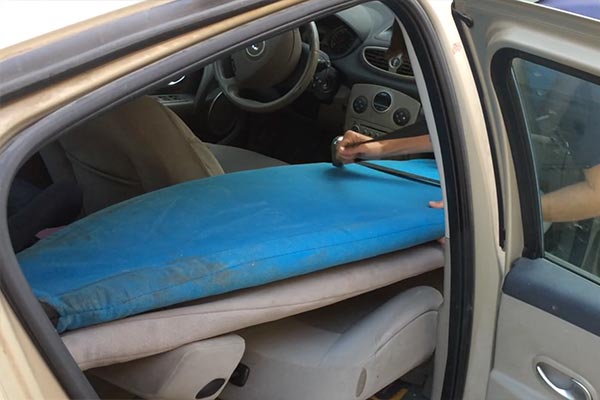
Credit: www.mundo-surf.com
Securing The Longboard
Securing your longboard properly in the car ensures safe transport. This step prevents damage to the board and avoids accidents on the road. Use the right tools and techniques to keep the longboard stable and secure during the drive.
Choosing The Right Straps
Select straps made of strong, durable material like nylon or polyester. Avoid thin or weak straps that can break easily. Look for straps with adjustable buckles for a tight fit. Ratchet straps or cam buckle straps work well for longboards.
Proper Strap Placement
Place the straps over the longboard’s strongest points. Avoid the wheels or trucks to prevent damage. If using roof racks, position the straps around the board and rack securely. For inside the car, wrap straps around the board and attach to fixed points.
Checking For Tightness And Stability
Pull the straps tight, but do not over-tighten to avoid board damage. Shake the board gently to test stability. Check for any movement or slipping. Adjust the straps as needed to keep the longboard firmly in place.
Legal And Safety Considerations
Transporting a longboard in your car requires attention to legal and safety rules. These rules protect you, other drivers, and pedestrians. Ignoring them can cause accidents or fines. Always follow laws to keep your ride safe and smooth.
Load Visibility Requirements
Your longboard must not block your view while driving. Check that your rearview mirror and side mirrors stay clear. The board should not cover your windshield or windows. Secure it so it cannot move or fall. Visibility is key to safe driving.
State And Local Regulations
Rules about carrying boards on cars vary by place. Some states require special racks for roof loads. Others limit how far the board can stick out from the car. Research your area’s laws before you drive. Follow the exact guidelines to avoid trouble.
Penalties For Improper Loading
Failing to secure your longboard properly can lead to fines. You might get a traffic ticket or pay a penalty. In some cases, improper loading is a misdemeanor. These penalties can cost money and points on your license. Always load your longboard safely and legally.
Alternative Transport Methods
Transporting a longboard without a roof rack requires creativity. There are simple methods to move your longboard safely. These alternatives can protect your board and your car. They also make travel easier in tight spaces. Explore options that fit your vehicle and lifestyle.
Using Backpacks Or Carrying Cases
Longboard backpacks and carrying cases offer a hands-free transport option. These bags have strong straps and padding to protect the board. Carrying a longboard on your back reduces the risk of damage. Choose a case with adjustable straps for comfort. This method works well for short distances or walking to a spot.
Inside Vehicle Transport Tips
Placing the longboard inside the car keeps it safe from the weather and theft. Fold down the rear seats to create enough space for the board. Use blankets or towels to cover and cushion the longboard. Position the board flat to avoid pressure on trucks and wheels. Secure it with seat belts or soft straps to prevent movement.
When Roof Racks Aren’t An Option
Not all cars fit roof racks, but other options exist. Use foam pads or pool noodles on the roof to protect paint. Secure the longboard with strong straps tied through door frames. Keep doors slightly open and use wedge blocks to prevent closing. Double-check strap tightness before driving. Drive slowly and carefully to avoid accidents.
Tips For Driving With A Loaded Longboard
Driving with a loaded longboard requires extra care and attention. The longboard can affect your car’s balance and handling. Proper driving habits keep you safe and protect your board. Follow these tips to drive confidently with a longboard on your car.
Speed And Handling Adjustments
Drive slower than usual. The added weight and shape of the longboard change your car’s balance. Take turns gently to avoid sudden shifts. Brake smoothly to prevent the longboard from moving. Keep a safe distance from other vehicles. Adjust your speed for windy conditions, as wind can push the longboard.
Periodic Load Checks
Stop after a few miles to check the longboard’s straps. Tighten any loose straps immediately. Make this a habit on long trips to avoid accidents. Ensure the longboard stays secure and does not shift or flap. Use quality straps that resist stretching and breaking.
Safe Parking Practices
Park in spots where your longboard will not block traffic or pedestrians. Avoid parking under low branches or narrow spaces that can damage the board. Use a cover if parking outside for long periods. This protects the board from dust and weather. Always lock your car and board to prevent theft.

Credit: www.gosurfperth.com

Credit: www.youtube.com
Frequently Asked Questions
Is It Illegal To Have A Surfboard In Your Car?
It is not illegal to have a surfboard in your car, but it must be secured properly. Use roof racks or straps to avoid obstructing your view or risking fines. Ensure the load is stable and does not block mirrors or windows for safe, legal transport.
How To Transport A Longboard?
Use a backpack with wide straps or a longboard-specific bag for easy carrying. Secure the board with roof racks or tie-down straps on your vehicle. Always check that the longboard is stable and doesn’t block your view while driving.
Is It Legal To Strap Things To The Roof Of Your Car?
Strapping items to your car roof is legal if securely tied and does not block your view. Use straps or cargo nets to prevent shifting or falling. Avoid obstructing mirrors and windows. Check load tightness regularly. Unsafe loads may lead to fines or penalties.
Use roof racks for better stability.
How Much Weight Can You Put On The Roof Of Your Car?
You can load up to your car roof’s specified weight limit, usually 75-150 pounds. Always check your owner’s manual. Secure items firmly to prevent shifting or falling. Use roof racks for better weight distribution and safety. Avoid obstructing your view or vehicle controls.
Conclusion
Securing your longboard on a car is simple with the right tools. Use straps or a roof rack to hold it firmly in place. Always check the straps before driving to avoid accidents. Make sure the board does not block your view while on the road.
Drive carefully and enjoy your ride safely. Following these steps protects both you and your longboard during travel.

