
Have you ever finished a longboarding session only to find your feet aching and uncomfortable? You’re not alone.
Many riders experience foot pain that can turn an exciting ride into a frustrating ordeal. But why does longboarding hurt your feet? Is it your shoes, your stance, or something else entirely? Understanding the root cause of this discomfort is key to enjoying your time on the board without the nagging pain.
Keep reading, because we’re about to uncover the common reasons behind your foot pain and share simple fixes that can help you ride longer and feel better. Your feet deserve comfort, and your longboarding experience should be pain-free.
Common Causes Of Foot Pain
Foot pain during longboarding is a common problem many riders face. Understanding the causes helps prevent discomfort and injury. Several factors contribute to foot pain. These include footwear, board fit, stance, and muscle use. Identifying the exact cause can improve your longboarding experience.
Improper Footwear
Wearing the wrong shoes can cause foot pain. Shoes without proper cushioning fail to absorb shock. Thin soles increase pressure on your feet. Lack of support leads to sore muscles and joints. Choose shoes designed for skateboarding or longboarding. They provide a better grip and protect your feet from impact.
Poor Longboard Fit
The size and shape of your longboard affect comfort. A board too small limits foot space and causes pressure points. A board too large requires extra effort to control. Both situations strain your feet and cause pain. Select a board that matches your foot size and riding style. Proper fit reduces foot fatigue and discomfort.
Incorrect Stance And Technique
Standing wrong on the board puts stress on your feet. Leaning too much on the toes or heels causes imbalance. This leads to muscle strain and pain. Using the wrong technique forces your feet to grip tightly. Relax your feet and keep a natural stance. Correct posture distributes weight evenly and eases foot pressure.
Overuse And Muscle Fatigue
Longboarding for long periods tires your foot muscles. Overuse causes soreness and cramps. Without rest, muscles become weak and painful. Take regular breaks during rides. Stretch your feet before and after longboarding. Strengthening exercises also help reduce fatigue and improve endurance.
Pressure Points And Bruising
Hard contact areas on your feet cause bruises and soreness. Pressure points form from repeated friction against the board. Tight shoes or bindings increase this problem. Poorly designed footpads or grip tape can also irritate skin. Use padded insoles and wear well-fitting shoes. Check your board setup to avoid painful pressure spots.
Footwear Tips For Comfort
Choosing the right footwear can make a big difference in your longboarding comfort. Your feet take a lot of pressure and impact while riding. Proper shoes help reduce pain and avoid injuries. This section covers key footwear tips to keep your feet happy on the board.
Choosing Supportive Skate Shoes
Supportive shoes keep your feet stable and balanced. Look for shoes with firm soles and good arch support. Skate shoes are designed for board control and foot protection. They also provide better grip, which lowers foot strain during turns and stops.
Importance Of Cushioning
Cushioning absorbs shocks from rough surfaces and jumps. Shoes with padded insoles and midsoles soften the impact on your feet. This reduces soreness and bruising after long rides. Soft cushioning also helps protect your heels and the balls of your feet from stress.
Avoiding Tight Or Loose Shoes
Shoes that are too tight cause pinching and restrict blood flow. This leads to numbness and discomfort while riding. On the other hand, loose shoes let your feet slide inside. This causes friction, blisters, and less control on the board. Choose shoes that fit snugly without squeezing your toes.
Adjusting Your Longboard Setup
Adjusting your longboard setup plays a key role in reducing foot pain. Small changes in the board’s size, deck, wheels, and foot placement can make a big difference. Tailoring your setup to your feet and riding style helps prevent discomfort and injury. This section explains how to make these adjustments for a more comfortable ride.
Selecting The Right Board Size
The size of your longboard affects how your feet feel during rides. A board that is too small puts pressure on certain areas of your feet. This pressure causes pain after long sessions. On the other hand, a board that is too large makes your feet work harder to keep balance. Choose a board size that fits your foot length and width. This choice helps distribute weight evenly and lowers foot strain.
Deck And Wheel Considerations
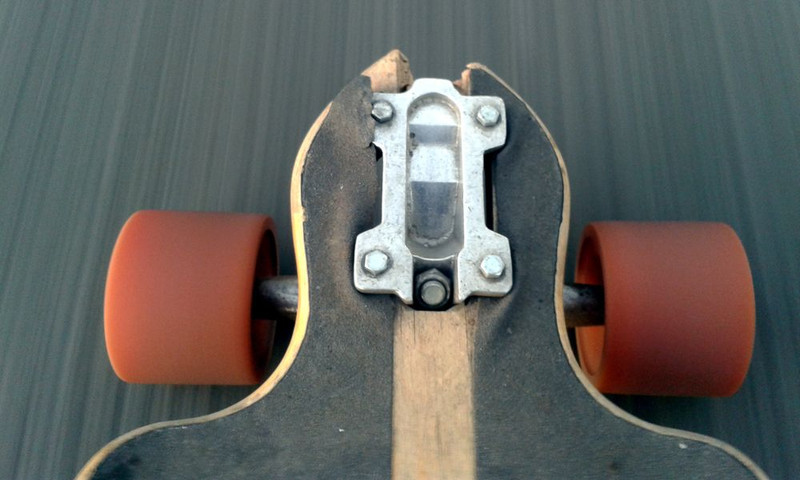
The shape and material of the deck influence foot comfort. Softer decks absorb shocks and reduce foot impact. Harder decks may cause more vibration and stress. Wheel size and softness also affect the ride. Larger, softer wheels smooth out bumps and rough surfaces. Smaller, harder wheels transfer more vibration to your feet. Pick decks and wheels that suit your riding surface and style. This adjustment lessens foot fatigue and pain.
Customizing Foot Placement
How you place your feet on the board changes the pressure points. Standing too close to the edges can press on sensitive parts of your feet. Position your feet so the weight spreads evenly across the deck. Adjust your stance width to find a balance between control and comfort. Practice shifting your feet slightly to avoid constant pressure on one spot. Proper foot placement improves stability and reduces aches.
Credit: www.reddit.com
Improving Riding Technique
Improving your riding technique can greatly reduce foot pain while longboarding. Small changes in how you stand and move will ease pressure on your feet. This helps you ride longer and feel more comfortable. Focus on balancing properly, distributing your weight well, and relaxing your feet. These steps keep your feet from hurting and make riding more enjoyable.
Balancing To Reduce Foot Strain
Good balance lowers the effort your feet must make. Stand with your knees slightly bent and your body relaxed. Avoid stiffening up or locking your joints. Keep your eyes forward and your weight centered over the board. Shift your weight gently to stay steady. Better balance means less strain on foot muscles and joints.
Proper Weight Distribution
Place your weight evenly between both feet. Avoid putting too much pressure on your front or back foot. Spread your body weight across the whole foot, not just the heels or toes. This stops certain foot areas from getting sore. Regularly check your stance and adjust your weight as you ride.
Relaxing Your Feet And Toes
Tense feet and curled toes cause pain after riding. Keep your feet loose and natural on the board. Avoid gripping the board tightly with your toes. Let your feet rest softly on the deck. Relaxed feet improve blood flow and reduce muscle fatigue. Practice this often to prevent foot aches during long sessions.
Quick Relief And Prevention
Foot pain during longboarding can spoil the fun quickly. Taking quick action helps ease the discomfort. Prevention stops the pain from returning. Simple steps improve your comfort and performance. Here are some ways to relieve foot pain fast and keep it away.
Stretching And Foot Exercises
Stretching loosens tight muscles in your feet and legs. Try calf stretches and toe curls before riding. Foot exercises build strength and improve balance. Move your toes up and down or roll a ball under your foot. These actions reduce tension and prevent soreness.
Using Insoles And Pads
Insoles add extra cushioning inside your shoes. They absorb shock from bumps and rough surfaces. Gel pads protect sensitive spots and reduce pressure. Choose insoles made for sports or skateboarding. Proper padding supports your arches and heels, easing pain during long rides.
Taking Breaks And Resting
Stop and rest often during longboarding sessions. Give your feet a chance to recover. Sitting down and removing your shoes can help. Rest lowers foot swelling and reduces muscle fatigue. Short breaks keep your feet fresh for longer rides.
Credit: www.thelongboardstore.com
When To Seek Medical Help
Longboarding can sometimes cause foot pain that does not go away with rest. Persistent or severe pain needs careful attention. Knowing when to seek medical help protects your feet from serious damage. Early treatment can prevent lasting problems and speed recovery.
Signs Of Tendonitis And Sprains
Tendonitis causes swelling and tenderness around tendons. You may feel a burning or sharp pain during or after riding. Sprains cause bruising, swelling, and difficulty moving the foot or ankle. Pain that worsens with movement or lasts several days should not be ignored.
Recognizing Stress Fractures
Stress fractures cause deep, persistent pain that grows with activity. The pain may be sharp or dull and usually worsens over time. Swelling and tenderness may appear around the affected bone. Small fractures need rest and care to heal properly.
Consulting A Podiatrist
A podiatrist specializes in foot and ankle health. Visit one if pain lasts more than a week or limits your daily activities. They can diagnose the problem with exams and scans. Early diagnosis helps create the right treatment plan. Do not delay care for worsening or unexplained foot pain.

Frequently Asked Questions
How To Stop Feet From Hurting When Skateboarding?
Wear skate shoes with good cushioning and arch support. Use properly sized boards and avoid gripping toes tightly. Take breaks to rest and stretch your feet.
Is It Normal For Feet To Hurt When Skating?
Yes, foot pain while skating is common. It often indicates poor skate fit, improper lacing, or tense foot positioning. Wearing well-fitted, cushioned skate shoes and practicing relaxed technique helps reduce discomfort and prevent injury.
How Should My Feet Be On A Longboard?
Place your front foot near the front bolts, angled slightly forward. Keep your back foot perpendicular on the tail. Distribute weight evenly, relax your feet, and maintain balance for control and comfort.
Is Longboarding A Good Form Of Exercise?
Longboarding offers a fun, full-body workout that improves balance, strength, and cardiovascular health. It engages core and leg muscles actively.
Conclusion
Foot pain from longboarding often comes from a poor fit or technique. Choosing the right shoes helps protect your feet and absorb shock. A properly sized longboard reduces pressure and improves control. Balancing well lowers foot strain and muscle fatigue. Take breaks to avoid overuse injuries like tendonitis.
Listening to your body keeps you safe and comfortable. Enjoy longboarding by caring for your feet first.

