
Have you ever wondered if your longboard can handle rough terrain like rocks? Whether you’re cruising through a park trail or trying to cross a rocky path, it’s important to know what your longboard can and can’t do.
Rocks and uneven surfaces can be tricky, and they might affect your ride more than you think. You’ll discover how longboards perform on rocky ground, what kind of wheels and gear you need, and tips to keep your ride smooth and safe.
Ready to find out if your longboard can conquer those rocks? Let’s dive in!
Longboards And Rough Terrain
Longboarding is often linked to smooth, paved surfaces. Rough terrain, like rocks and gravel, changes the experience. It challenges both rider and board.
Understanding how longboards handle rough terrain helps riders choose the right setup. It also prepares them for potential risks and limits.
How Rocks Affect Longboarding
Rocks create bumps and uneven surfaces. These can slow down or stop a longboard suddenly. Wheels may get stuck between rocks, causing falls.
Longboard wheels can wear out faster on rocky paths. Bearings also face more dirt and damage. The board’s deck might crack or chip from impacts.
Riding over rocks demands good balance and control. It can be tiring and risky without the right skills and gear.
Types Of Terrain Suitable For Longboards
Longboards work best on smooth asphalt and concrete. These surfaces allow for easy rolling and good speed. Light gravel or packed dirt can be manageable with large, soft wheels.
Paths with small pebbles or cracks need caution. Riders should avoid sharp rocks and loose gravel. These surfaces increase the chance of accidents and damage.
Special longboards exist for rough terrain. They have bigger wheels and stronger decks. These boards handle dirt trails and some rocky spots better.
Wheel Types And Their Impact
Choosing the right wheel type is crucial for riding a longboard over rocky terrain. Wheels affect your board’s grip, stability, and ability to absorb shocks. The right wheels can make rough rides smoother and safer. Understanding the differences in wheel hardness and size helps you pick the best option for rocks and uneven paths.
Soft Vs Hard Wheels
Soft wheels have a lower durometer rating, usually between 75A and 87A. They offer better grip and absorb bumps well. This makes them great for rough surfaces like rocks and gravel. Soft wheels reduce vibrations, giving a smoother ride over rough terrain.
Hard wheels, rated above 88A, are faster on smooth pavement but struggle on rocks. They provide less grip and transfer more shocks to your feet. Hard wheels can make the ride uncomfortable and increase the risk of slipping on uneven surfaces.
Wheel Size For Rough Surfaces
Larger wheels, around 70mm or more, roll over rocks easier than smaller ones. Bigger wheels can clear obstacles and cracks better. They also keep speed more easily on rough paths. Smaller wheels get stuck more often and feel bumpier.
Smaller wheels work well for tricks and smooth roads, but are not ideal for rocky trails. Picking wheels that balance size and softness helps you ride comfortably on rocks without losing control.
Deck And Truck Features For Rough Riding
Longboarding over rocky or rough terrain demands specific deck and truck features. These parts need to handle shocks and keep the ride smooth. Choosing the right deck and trucks helps avoid damage and improves control on uneven surfaces.
Strong construction and smart design make a big difference. The deck must absorb bumps, while the trucks must balance flexibility and stability. Together, these features allow longboards to perform better on rocks and rough paths.
Deck Design And Material
Decks made from layered maple or bamboo provide good strength and flexibility. These materials bend slightly to absorb shocks from rocks and rough ground. A wider deck offers more stability for rough riding. Concave shapes help keep feet in place during bumpy rides. Some decks include extra grip tape or textured surfaces to prevent slipping. Thicker decks resist cracks and dents better when hitting rocks. Lightweight decks reduce fatigue during long rides over rough paths.
Truck Stability And Flexibility
Trucks must be strong to handle the impact from rocks. High-quality aluminum or steel trucks resist bending and breaking. Wider trucks offer better balance on uneven surfaces. Trucks with adjustable bushings allow riders to control how much they turn and absorb shocks. Softer bushings give more flexibility, easing rough rides, but reduce stability. Harder bushings improve stability but make the ride stiffer. Some trucks feature shock pads to further reduce vibration and protect the deck. Proper truck setup helps maintain control and smoothness on rocky terrain.
Techniques For Riding Over Rocks
Riding a longboard over rocks requires specific skills and techniques. Rocks create bumps and uneven surfaces that can make riding tricky. Using the right methods helps keep control and avoid falls. Practice and focus improve your ability to handle rocky paths safely.
Here are essential techniques for riding over rocks on a longboard.
Maintaining Speed And Balance
Keep a steady speed to roll smoothly over rocks. Too slow, and you might get stuck or lose balance. Too fast, and you risk losing control. Find a pace that lets your wheels roll over obstacles without stopping.
Balance your body by bending your knees slightly. This lowers your center of gravity. Stay relaxed but ready to adjust your weight quickly. Look ahead to spot rocks early and prepare your movements.
Foot Placement And Weight Distribution
Place your feet firmly on the board’s bolts. This gives stability and helps absorb shocks. Keep your front foot near the front bolts and your back foot near the rear bolts. Avoid standing too close to the edges.
Shift your weight evenly between both feet. On bigger rocks, slightly lean forward to help the front wheels climb over. On downhill rocky paths, lean back a little to prevent going too fast. Small weight shifts help the board stay in contact with the ground.
Risks Of Riding On Rocky Terrain
Riding a longboard over rocky terrain can be tempting for adventure seekers. Small rocks and uneven surfaces create challenges for both the rider and the board. These rocky paths increase the risk of damage to the longboard and cause safety concerns for the rider. Understanding these risks helps in making safer choices and protecting your equipment.
Potential Board Damage
Rocks can scratch and chip the deck of the longboard. Sharp edges may cause cracks in the wood or composite material. Bearings and wheels also suffer from impacts with rough surfaces. Constant jolting can loosen bolts and damage trucks. Over time, this wear reduces the board’s lifespan and performance. Using wheels designed for rough terrain can help, but damage is still likely.
Safety Hazards And Injury Prevention
Riding on rocks increases the chance of falls and injuries. Loose stones can cause the board to slip or stop suddenly. This leads to loss of balance and possible crashes. Wearing protective gear like helmets, knee pads, and wrist guards is crucial. Scouting the path ahead helps avoid large rocks and dangerous spots. Riding slowly and carefully reduces the risk of accidents on rocky terrain.
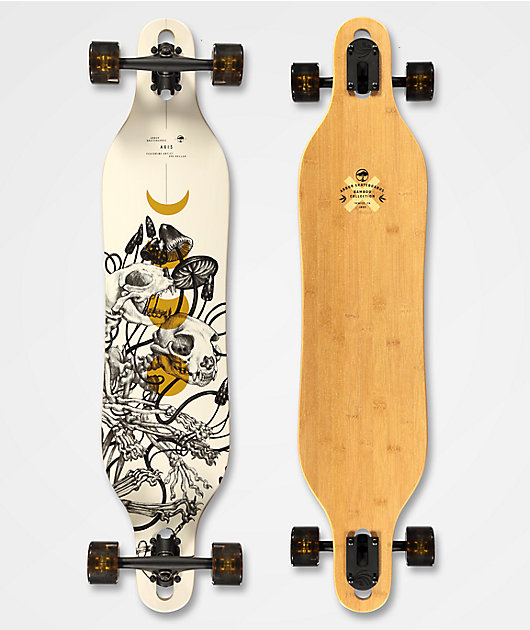
Credit: www.zumiez.com
Maintenance After Rough Riding
Riding your longboard over rocks and rough terrain can be thrilling. It also puts your board to the test. After such rides, proper maintenance is key to keeping your longboard safe and smooth. Checking your board carefully helps avoid damage and extends its life.
Checking Wheels And Bearings
Rough surfaces wear down wheels faster. Look for cracks, flat spots, or chunks missing. Rotate the wheels to spot uneven wear. Bearings can get dirty or clogged with dust and small stones. Spin each wheel by hand. If it feels rough or slow, clean or replace the bearings. Lubricate them to keep the wheels rolling smoothly.
Inspecting Deck And Trucks
The deck faces the hardest impact from rocks. Check for cracks, chips, or splinters. Press gently to find weak spots. Trucks absorb shocks, too. Look for bent or loose parts. Tighten all nuts and bolts. Worn bushings should be replaced to maintain good control. Keeping the deck and trucks strong prevents accidents and ensures a steady ride.
Choosing The Right Longboard Setup
Choosing the right longboard setup matters a lot when you plan to ride over rocks. The type of board, wheels, and trucks can make your ride smooth or rough. A good setup helps you avoid damage and keeps you safe on rocky paths. Let’s explore how to pick the best gear for off-road longboarding.
Best Longboards For Off-road Use
Off-road longboards have wider decks for better balance. They use bigger, softer wheels that absorb shocks from rocks and bumps. Look for wheels made of soft urethane with a diameter of 70mm or more. This size helps roll over rough surfaces with less effort.
Trucks on off-road boards are usually wider and more flexible. They allow better control on uneven ground. Some boards have reinforced decks made from bamboo or fiberglass. These materials resist cracks from hitting rocks.
Customizing For Rocky Paths
Changing your longboard setup can improve rocky path rides. Swap small wheels for large, soft ones to reduce vibration. Add riser pads to lift the deck and prevent wheel bite on rough terrain. Tighten trucks less to increase maneuverability on uneven surfaces.
Consider adding grip tape with extra texture. It helps your feet stay stable when crossing rocks. Adjust the deck angle if possible. A slight concave shape keeps your feet locked in during bumpy rides. Small changes make a big difference on rocky trails.

Credit: www.amazon.com
Legal And Safety Considerations
Riding a longboard over rocks requires attention to legal and safety matters. Understanding local rules and using proper gear helps reduce risks. These steps protect both the rider and others around.
Local Laws For Street And Off-road Riding
Longboard laws vary by city and state. Some places allow riding only on sidewalks or bike lanes. Others treat longboarders as pedestrians or cyclists. Check local regulations before riding on streets or trails. Off-road riding may have different rules. Some parks ban wheels on certain surfaces. Always respect posted signs and rules. Following laws avoids fines and accidents.
Protective Gear Recommendations
Safety gear is essential when riding over rocks. A helmet protects your head from injuries. Wrist guards reduce the chance of fractures. Knee and elbow pads shield joints during falls. Gloves improve grip and protect hands. Choose a gear that fits well and feels comfortable. Inspect your equipment regularly for damage. Wearing proper gear lowers injury risks and boosts confidence.
Alternative Options For Rough Terrain
Rough terrain, like rocky path,s can be tough for regular longboards. Standard wheels often struggle to roll smoothly over rocks. This can cause frequent stops or even damage the board. Riders need boards designed to handle uneven surfaces. Several options exist that improve stability and control on rough ground.
These alternatives focus on stronger wheels and better suspension. They offer a more comfortable ride across rocks, gravel, and dirt trails. Choosing the right board helps you explore more places safely and enjoyably.
Electric Longboards
Electric longboards come with powerful motors and larger wheels. These wheels are often softer and wider, making it easier to roll over rocks. The motor helps maintain speed without extra effort. Some models include suspension systems that absorb shocks from rough terrain. This reduces the impact on your feet and board. Electric longboards provide a smooth ride and more control off-road.
All-terrain Skateboards
All-terrain skateboards are designed specifically for rough surfaces. They feature big, knobby tires similar to mountain bike wheels. These tires grip rocks and loose dirt well. The deck is usually stronger and more flexible to handle bumps. Trucks may also be wider to improve balance. All-terrain boards make it possible to skate on trails, grass, and rocky paths. They offer better durability and comfort on uneven ground.

Frequently Asked Questions
Can You Ride A Longboard On Gravel?
Riding a longboard on gravel is possible but risky. Gravel can cause accidents and damage wheels or the board. Use larger, softer wheels for better control and avoid high speeds to stay safe.
Can You Skate On Rocks?
Skating directly on rocks is unsafe and can damage your board. Use large, smooth wheels for rough terrain instead.
Is It Illegal To Ride A Longboard On The Road?
Riding a longboard on the road depends on local laws. Some areas allow it in bike lanes or treat riders as pedestrians. Always check regulations, wear protective gear, and follow traffic rules for safety. Avoid busy roads and stay alert to minimize risks.
Can You Skateboard On Bumpy Roads?
You can skateboard on bumpy roads using a deck with soft, large wheels designed to absorb shocks. Ride carefully to avoid accidents.
Conclusion
Longboards can handle small rocks if the wheels are large and soft. Rough, rocky terrain risks wheel damage and loss of control. Choose smooth paths for safer, more enjoyable rides. Always wear protective gear to avoid injuries. Adjust speed and stance when crossing uneven surfaces.
Proper maintenance extends your longboard’s life after rough rides. With care, longboarding remains fun even near rocky areas.

