
You’ve just invested in a longboard, and now you’re wondering: how long will it actually last? Whether you’re cruising the streets of Austin or carving down your local hills, knowing the lifespan of your longboard can save you time, money, and frustration.
Your board’s durability depends on several factors—how often you ride, the terrain you tackle, and the care you give it. You’ll discover exactly what affects your longboard’s lifespan and practical tips to make it last as long as possible. Stick around, because understanding this can help you enjoy smoother rides and avoid unexpected replacements.
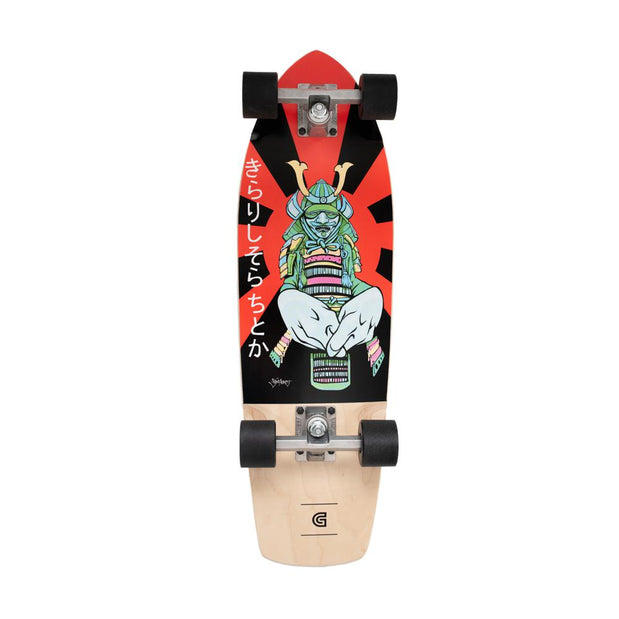
Credit: longboardsusa.com
Longboard Deck Lifespan
The longboard deck is the core part of your board. Its lifespan depends on many factors. How you ride and the deck’s material play big roles. Understanding these helps you know when to replace your deck. Here is a detailed look at the longboard deck lifespan.
Casual Riding Duration
Casual riders usually cruise on smooth surfaces. This puts less stress on the deck. A longboard deck can last from several months to over a year. The key is gentle use and avoiding harsh impacts. Regular checks keep the deck in good shape. Simple care extends its life significantly.
Impact Of Tricks And Parks
Riders who perform tricks or use skate parks stress the deck more. Jumps, slides, and hard landings cause faster wear. Decks used in parks often last only a few months. The constant impact can cause cracks and chips. Inspecting the board after each session is important. Replacing the deck sooner is common for trick riders.
Material Quality Effects
Decks made from high-quality wood or composite last longer. Maple and bamboo are popular for their strength and flexibility. Cheaper decks may break or warp quickly. Quality glue and layers add durability. Investing in a well-made deck saves money over time. Good materials resist damage and maintain performance.
Component Durability
The durability of a longboard depends greatly on its components. Each part faces different stresses and needs care to last. Understanding how wheels, bearings, and trucks wear out helps you keep your board in good shape. Proper maintenance can extend the life of these parts and improve your riding experience.
Wheels Wear And Replacement
Wheels wear down from constant rolling and sliding. Rough surfaces cause faster wear, making wheels smaller and less smooth. Check wheels regularly for flat spots or cracks. Replace wheels when they become too worn. New wheels keep your ride smooth and safe.
Bearing Maintenance And Lifespan
Bearings let the wheels spin freely. Dirt and dust can slow them down or cause damage. Clean bearings often to remove grime and old lubricant. Lubricate them with bearing oil or grease to keep them spinning well. Bearings usually last several months to a year. Replace them if they start to feel rough or noisy.
Truck Longevity And Care
Trucks hold the wheels and allow turning. They last longer than wheels and bearings but still need care. Check trucks for cracks or bent parts after hard falls. Tighten or loosen the kingpin nut to adjust the turning feel. Replace bushings if they become too soft or cracked. Well-maintained trucks give better control and last longer.
Riding Style And Terrain Effects
Riding style and terrain play a big role in how long a longboard lasts. Different ways of riding put varying stress on the board. The type of surface you ride also affects its durability. Understanding these effects helps in choosing the right longboard and caring for it better.
Aggressive Vs. Casual Riding
Aggressive riders push their longboards hard. They do tricks, sharp turns, and fast stops. This puts more pressure on the deck and wheels. The board wears out faster and might need repairs sooner.
Casual riders use their longboards for cruising and gentle rides. They apply less force on the board. This style causes less wear and tear. As a result, the longboard lasts longer with casual use.
Smooth Vs. Rough Surfaces
Riding on smooth surfaces like skateparks or paved roads is easier on a longboard. The wheels roll smoothly, and the deck faces less impact. This helps keep the board in good shape for many months or years.
Rough surfaces like gravel, cracked pavement, or dirt trails cause more damage. The wheels wear down quickly, and the deck may get scratched or cracked. Longboards used on rough terrain usually have a shorter lifespan.
Board Quality And Construction
The quality and construction of a longboard greatly affect its lifespan. A well-built longboard handles stress better and lasts longer. Both the deck and the components play key roles in durability. Understanding these aspects helps you choose a board that offers extended use and reliable performance.
High-quality Decks Benefits
High-quality decks use strong wood or composite materials. This makes the board more resistant to cracks and breaks. They often feature multiple layers of maple or bamboo. These layers add flexibility and strength. Such decks maintain shape even after heavy use. They also provide better balance and control. This reduces the chance of damage from falls or impacts. Investing in a good deck means fewer replacements over time.
Component Grade Differences
Components like trucks, wheels, and bearings vary in quality. Higher-grade trucks are made from durable metals. They resist bending and wear longer. Quality wheels offer better grip and smoother rides. Cheaper wheels may wear down quickly or crack. Bearings in premium boards spin smoothly and last longer. Low-quality bearings slow down and need frequent cleaning or replacement. Better components reduce wear on the deck, too. Choosing good parts ensures your longboard lasts through many rides.
Maintenance Tips
Proper maintenance keeps a longboard in good shape for a long time. Small efforts prevent big problems. Regular care improves safety and riding experience. Follow these simple maintenance tips to extend your board’s life.
Regular Inspections
Check your longboard before every ride. Look for cracks, chips, or loose parts. Inspect the deck, trucks, wheels, and bearings closely. Spotting damage early avoids accidents and costly repairs. Replace worn or broken parts right away.
Cleaning Deck And Components
Dirt and grime can damage your board. Wipe the deck with a damp cloth to remove dust. Clean the wheels and trucks to avoid buildup. Avoid soaking the board in water. Keeping parts clean ensures smooth performance and longer life.
Lubricating Bearings
Bearings need oil to roll smoothly. Remove bearings from wheels carefully. Use a few drops of bearing lubricant or light oil. Avoid heavy grease as it attracts dirt. Regular lubrication reduces friction and wear, making rides faster and safer.
Tightening And Adjustments
Loose screws and nuts can cause instability. Tighten all bolts on trucks and wheels regularly. Adjust trucks to your preferred riding style. Use the right tools to avoid stripping screws. Proper tension keeps your board stable and responsive.

Credit: www.thelongboardcamp.com
Signs To Replace Your Longboard
Recognizing the signs to replace your longboard is crucial for safety and performance. A worn-out longboard can lead to accidents or a poor riding experience. Keeping an eye on key indicators helps you decide the right time for a new board. This section highlights common signs of deck damage, component wear, and performance drops to watch for.
Deck Damage Indicators
Check the deck for cracks or deep scratches. Splintering wood or warped areas weaken the deck. Large chips on the edges affect stability. If the deck feels soft or bends easily, it may be unsafe. Water damage can cause the deck to swell or delaminate. These issues reduce the board’s strength and control.
Component Wear Signs
Inspect wheels for flat spots or uneven wear. Cracked or chunked wheels reduce smooth rolling. Bearings that make noise or don’t spin freely need replacing. Trucks with bent axles or loose parts affect turning. Worn bushings cause unstable steering. Regular checks on components prevent sudden failures.
Performance Drop Alerts
If your longboard feels slower or harder to control, it needs attention. Excessive vibration or wobbling at speed signals problems. Difficulty in turning or reduced grip may come from worn parts. If braking becomes unpredictable, it is time to inspect. A drop in overall ride quality means it may be time for a new board or parts replacement.
Extending Your Longboard’s Life
Extending your longboard’s life adds value to your investment. Simple habits can keep your board in top shape. Proper care helps prevent damage and improve performance. Follow these tips to enjoy your longboard longer.
Proper Storage Practices
Store your longboard in a cool, dry place. Avoid leaving it in direct sunlight or damp areas. Use a wall rack or shelf to keep it off the floor. This prevents warping and damage from moisture. Keep it away from heavy objects that may press on it.
Avoiding Harsh Conditions
Do not ride through water or mud often. Wet conditions can damage the deck and bearings. Avoid rough, rocky surfaces that may chip or crack the board. Protect your longboard from extreme heat or cold. These conditions weaken the materials and reduce lifespan.
Routine Care Habits
Clean your longboard regularly with a soft cloth. Remove dirt and debris from wheels and bearings. Tighten loose bolts and screws to prevent wear. Lubricate bearings to keep them rolling smoothly. Check the deck for cracks or splinters and fix small issues early.

Credit: fireballsupply.co
Frequently Asked Questions
How Long Should A Longboard Last?
A longboard typically lasts 3 to 5 years with regular use and proper maintenance. Frequent riding and rough terrain may shorten its lifespan. Regularly inspect, clean, and replace worn parts to extend its durability and performance.
What Is The Average Lifespan Of A Skateboard?
The average skateboard lasts several months to over a year. Lifespan depends on riding style, terrain, board quality, and maintenance. Components like wheels and bearings may need replacement more often. Regular care extends overall durability and performance.
How Often Should I Replace My Skateboard?
Replace your skateboard deck every few months to a year, depending on use and riding style. Check for cracks or wear regularly. Bearings and wheels may need replacement more often. Proper maintenance extends lifespan. Aggressive skating and rough terrain shorten durability.
Choose quality boards for longer use.
How Do I Maintain My Longboard?
Regularly inspect your longboard for damage. Clean the deck and lubricate bearings. Tighten trucks and replace worn wheels. Store it in a dry place.
Conclusion
A longboard’s lifespan depends on use and care. Regular maintenance keeps it rolling smoothly longer. Riding style and terrain affect wear and tear. High-quality boards usually last several years. Replace parts like wheels or bearings when worn out. Watch for cracks or damage on the deck.
Proper storage protects your longboard from weather damage. Taking simple steps helps you enjoy your board more. With good care, your longboard can serve you well. Stay aware of its condition and ride safely every time.

