
Are you wondering whether longboards are safer than skateboards? If you’re about to pick your first board or thinking of switching, safety is probably at the top of your mind.
Both longboards and skateboards offer thrilling rides, but they differ a lot in design and purpose — and that affects how safe they feel and how much risk you take on. You’ll discover the key differences that impact safety, what beginners should know, and which board might protect you better as you glide, carve, or pull tricks.
Keep reading to find out which ride suits your style and keeps your confidence high while minimizing risks.
Longboard And Skateboard Basics
Understanding the basics of longboards and skateboards helps to see their safety differences. Both boards serve different purposes and have unique designs. Knowing these differences makes choosing the right board easier and safer.
This section breaks down the key features that separate longboards from skateboards.
Board Design And Dimensions
Longboards are longer and wider than skateboards. Their length ranges from 33 to 60 inches. Skateboards usually measure 28 to 33 inches long. The wider shape of longboards offers more foot space and balance. Skateboards have a narrow, concave shape designed for tricks. This design makes skateboards more agile but less stable than longboards.
Wheel Size And Hardness
Longboards have larger, softer wheels. These wheels range from 60 to 75 millimeters. Softer wheels absorb bumps well and provide smooth rides on rough surfaces. Skateboard wheels are smaller and harder, about 50 to 60 millimeters. Hard wheels slide easily and are better for tricks on smooth surfaces like skateparks.
Intended Riding Style
Longboards are made for cruising, downhill riding, and long-distance travel. They offer stability and comfort at higher speeds. Skateboards focus on street skating and performing tricks. They are built for quick turns and jumps. Choosing a board depends on what type of riding you prefer.

Safety Factors In Riding
Safety plays a big role in choosing between a longboard and a skateboard. Each board type has unique features that affect how safe it feels during a ride. Understanding these safety factors helps riders pick the right board for their skill and style. The main safety concerns include stability, speed control, and how well the board handles different surfaces.
Stability And Balance
Longboards are longer and wider, offering more stability. This makes balancing easier, especially for beginners. Wider decks give more foot space, which helps riders stay steady. Skateboards are smaller and narrower, which demands better balance. They feel less stable but allow sharper turns and tricks. For safer rides, longboards reduce the chance of sudden falls.
Speed And Control
Longboards often reach higher speeds but provide smoother control. Their bigger, softer wheels absorb bumps well, making fast rides safer. Skateboards have smaller, harder wheels that make controlling speed harder. They are built for quick stops and sharp moves but require skill. Longboards give riders more time to react, lowering injury risks at speed.
Surface Compatibility
Longboards work well on rough or uneven surfaces. Their large wheels roll over cracks and stones easily. This reduces accidents caused by sudden stops or wheel jams. Skateboards perform best on smooth, flat surfaces like skateparks. On rough ground, they can be unstable and cause falls. Choosing the right board for the riding surface improves safety.
Injury Risks And Statistics
Understanding the injury risks and statistics helps us see how safe longboards and skateboards really are. Both sports involve speed and balance, but they differ in design and use. These differences affect the types and frequency of injuries riders may face. Knowing common injuries and how often they happen can guide safer riding choices.
Common Injuries For Longboarders
Longboarders often face injuries from falls at high speeds. Wrist fractures and sprains happen when riders try to break their fall. Road rash is common due to sliding on rough pavement. Head injuries occur in crashes, especially downhill. Ankle sprains happen during sharp turns or slides. These injuries vary by experience and protective gear use.
Common Injuries For Skateboarders
Skateboarders usually get hurt from tricks and jumps. Ankle and wrist fractures are frequent. Cuts and bruises happen from falls on concrete. Head injuries can occur from flips gone wrong. Finger injuries also happen when catching the board. Skateboarders face more impact injuries from landing tricks.
Severity And Frequency Comparison
Longboard injuries often involve higher speeds, leading to more severe wounds. Skateboard injuries happen more often but tend to be less severe. Studies show longboard crashes cause more serious fractures and head injuries. Skateboarders report more minor sprains and bruises. Protective gear greatly reduces injury risks for both sports.
Beginners And Learning Curves
Beginners face different challenges when learning to ride longboards or skateboards. Understanding the learning curve helps in choosing the right board. Safety and confidence improve with easier balance and control.
The type of board affects how quickly a rider gains skills. Both options have unique benefits and difficulties for new riders.
Ease Of Riding For Newcomers
Longboards offer more stability due to their size and wheel softness. This makes balancing simpler for beginners. Riders feel safer cruising on smooth, wider decks.
Skateboards are smaller and less stable at first. They require better balance and faster reflexes. New riders often find skateboards harder to control initially.
Skill Development Challenges
Longboards are easier for learning basic riding and turning. Advanced tricks are limited on longboards because of their size. Beginners may stall in progressing beyond simple rides.
Skateboards demand practice to master tricks and quick maneuvers. This can be frustrating but builds stronger skills. The smaller size helps riders improve technical control faster.
Recommended Board For Starters
Choose a longboard for smooth rides and easier balance. It suits those focused on cruising and safe learning. Longboards reduce the risk of falls during early practice.
Pick a skateboard for learning tricks and skatepark use. It suits riders who want a challenge and skill variety. Skateboards prepare beginners for advanced street skating.
Safety Gear And Precautions
Riding longboards or skateboards can be fun but also risky without the right safety measures. Protecting yourself lowers the chance of injury. Using proper gear and following safety steps makes every ride safer. Understanding the right precautions helps both beginners and experts enjoy skating more confidently.
Essential Protective Equipment
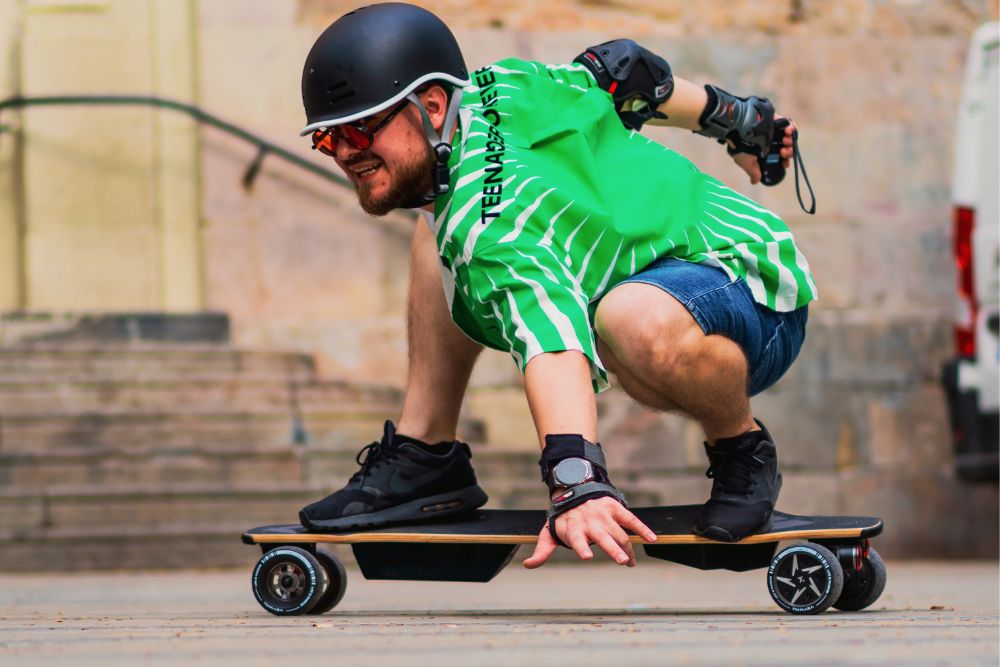
Always wear a helmet designed for skateboarding or longboarding. It protects your head from serious injuries. Use wrist guards to support your wrists during falls. Elbow and knee pads shield joints from scrapes and bruises. Choose gear that fits well and feels comfortable. Check equipment regularly for damage and replace if needed.
Best Practices For Safe Riding
Start slow and practice in safe areas like empty parking lots. Learn to balance and control speed before riding on busy streets. Avoid risky tricks until you master basic riding skills. Keep your board well-maintained, especially wheels and trucks. Ride within your skill level and avoid distractions like headphones. Always signal your moves to others nearby.
Environmental Awareness
Check the surface for cracks, gravel, or wet spots before riding. Avoid busy roads and areas with heavy traffic. Be aware of pedestrians and other riders around you. Watch for cars at intersections and obey traffic signals. Riding in daylight improves visibility and safety. Adjust your speed to match road conditions and surroundings.

Credit: www.amazon.com
Choosing The Right Board
Choosing the right board matters most for safety and fun. Your board affects how you balance, turn, and stop. A good fit reduces falls and boosts confidence. Consider your needs before buying. Think about your goals and riding style. Options vary from longboards to skateboards and hybrids. Each has unique features to suit different riders.
Assessing Personal Needs
Start by thinking about your skill level. Beginners often need stable boards to build balance. Your age and body size also matter. A wider, longer board offers more control for larger riders. Check the terrain you will ride on. Rough or smooth surfaces require different wheels. Also, consider how often you will use the board. Daily commuting needs a durable and comfy board.
Matching Board To Riding Goals
Decide what you want to do with your board. Longboards suit cruising and downhill rides well. They offer a smooth and steady ride at high speeds. Skateboards are best for tricks and skateparks. They allow sharp turns and quick stops. Choose based on your riding style to stay safe. Picking the right board helps prevent accidents and injuries.
Considering Hybrid Options
Hybrids combine traits of both longboards and skateboards. They are shorter than longboards but have softer wheels. This makes them good for urban rides and light tricks. Hybrids are ideal for riders who want versatility. They offer more control than longboards on rough surfaces. Yet, they are easier to maneuver than longboards. This balance suits many riders learning new skills.
Credit: veymax.com
Frequently Asked Questions
Is A Longboard Safer Than A Skateboard?
Longboards offer more stability with larger, softer wheels and a longer deck, making them generally safer for beginners. Skateboards suit tricks but feel less stable. Safety depends on skill, terrain, and protective gear rather than board type alone.
Should I Get A Longboard Or A Skateboard?
Choose a longboard for smooth cruising, stability, and beginners. Pick a skateboard for tricks, skateparks, and technical riding.
What Is The Easiest Board To Ride?
Longboards are the easiest boards to ride due to their larger size, wider deck, and softer wheels. Drop-through longboards offer extra stability by lowering the ride height, making pushing and balance simpler for beginners. Choose a size that fits your body for the best experience.
Is Skateboarding Or Roller Skating Safer?
Roller skating is generally safer due to better balance and softer wheels. Skateboarding involves higher risk from tricks and harder landings. Proper gear and experience significantly reduce injuries in both sports.
Conclusion
Choosing between longboards and skateboards depends on your riding style and safety needs. Longboards provide more stability and a smoother ride. They suit beginners and those who prefer cruising or downhill riding. Skateboards offer better control for tricks but require more skill and balance.
Safety comes from wearing protective gear and practicing regularly. Both can be safe with the right precautions. Think about what feels best and matches your goals. Enjoy your ride, stay cautious, and have fun on your board.

