
You love the smooth glide of your longboard, but what happens when the pavement ends and gravel begins? If you’ve ever wondered, “Will a longboard work on gravel?” you’re not alone.
Gravel surfaces can be tricky, and riding on them isn’t the same as cruising on asphalt. You might be worried about losing control, damaging your board, or even getting hurt. This article will help you understand exactly what to expect when you take your longboard off the beaten path.
By the end, you’ll know whether your longboard can handle gravel, what risks you face, and how to prepare for the ride. Ready to find out if your wheels can conquer the rough terrain? Keep reading.
Longboards On Gravel
Riding a longboard on gravel is possible but challenging. Gravel surfaces are uneven and loose. This makes balance and control harder. Not all longboards perform well on gravel. Choosing the right setup is key to a better ride.
Many riders try gravel riding for fun or adventure. It offers a different experience than smooth pavement. Still, it comes with risks and may damage your board. Understanding the factors involved helps you decide if gravel is right for you.
Wheel Types And Gravel Riding
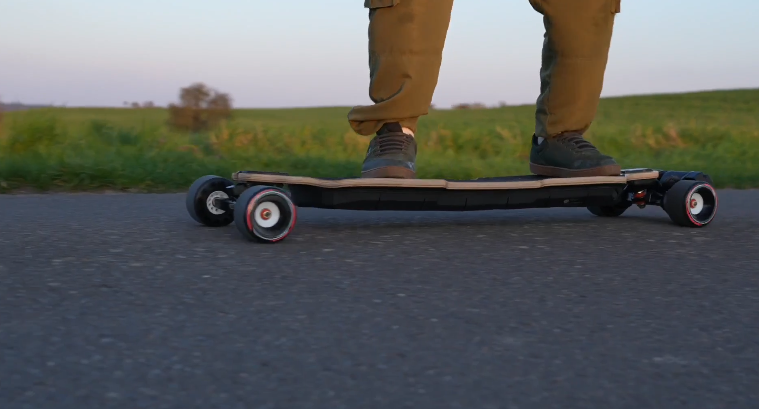
Soft, large wheels work best on gravel. They absorb shocks and roll over rocks easily. Hard wheels struggle with loose gravel and cause more vibrations. Some riders use off-road or all-terrain wheels. These have a wider shape and deep tread for grip. Proper wheels improve stability and comfort on rough paths.
Risks And Board Damage
Gravel can scratch and chip your longboard deck. Small stones may damage the grip tape and wheels. Loose gravel increases the chance of slipping or falling. Riding on gravel puts stress on trucks and bearings. Dirt and dust can clog moving parts. Regular cleaning and maintenance reduce wear and tear.
Surface Conditions To Consider
Not all gravel surfaces are the same. Hard-packed gravel is easier to ride on than loose gravel. Wet gravel can be slippery and dangerous. Look for firm, compacted areas to minimize risks. Avoid sharp rocks and deep ruts that can cause accidents. Check the path before you ride to ensure safety.
Choosing The Right Wheels
Choosing the right wheels makes a big difference when riding a longboard on gravel. Wheels affect your control, speed, and safety. Picking wheels designed for rough surfaces improves your ride. Consider wheel type, size, hardness, and tread. Each factor changes how well your board handles gravel.
Off-road Wheel Options
Off-road wheels have a softer rubber and larger size. They absorb bumps and rough patches better than regular wheels. These wheels offer extra grip on loose gravel. Look for wheels labeled as all-terrain or off-road. They usually have a wider profile for stability. Using off-road wheels reduces the risk of slipping or falling.
Wheel Size And Hardness
Bigger wheels roll over gravel more smoothly. Choose wheels between 70mm and 80mm for better clearance. Softer wheels with a hardness rating around 78A provide better grip. Hard wheels slide too much on gravel and can cause loss of control. Soft wheels absorb shocks and keep your ride comfortable. Size and hardness balance speed and stability.
Tire Tread And Grip
Tread pattern improves traction on uneven surfaces. Look for wheels with a slight tread or textured surface. Smooth wheels slip easily on loose gravel. Tread helps your wheels bite into the ground. This reduces skidding and increases safety. Strong grip is essential for confident turns and stops on gravel roads.
Safety Tips For Gravel Longboarding
Longboarding on gravel requires extra care to stay safe. Loose surfaces can cause falls or injuries. Following safety tips helps protect you and your longboard. Proper gear and smart riding techniques reduce risks significantly. Learn how to handle gravel terrain with confidence.
Protective Gear Essentials
Always wear a helmet to protect your head. Use knee and elbow pads for added safety. Gloves help protect your hands from scrapes. Consider wrist guards to avoid fractures. Proper shoes with good grip improve control on gravel.
Riding Techniques On Loose Surfaces
Keep your speed slow and steady to maintain balance. Bend your knees slightly to absorb shocks. Avoid sudden turns or sharp stops that cause slipping. Use gentle, smooth movements to stay stable. Look ahead to anticipate rough patches or obstacles.
Avoiding Common Hazards
Watch out for loose stones and uneven ground. Stay clear of wet or muddy spots that reduce traction. Avoid riding near traffic or crowded areas. Check your longboard for damage after each gravel ride. Stay alert and be ready to stop safely.
Board Maintenance After Gravel Use
Riding your longboard on gravel can leave dirt and small stones stuck to the wheels and deck. This makes cleaning and maintenance very important. Regular care helps keep your board safe and smooth for future rides. It also stops the damage that gravel can cause over time.
Cleaning And Inspecting Wheels
Gravel can wear down your wheels fast. After riding, wipe the wheels with a damp cloth. Remove any stuck stones or dirt. Check for cracks or flat spots that affect rolling. Smooth wheels give better control and a safer ride.
Checking Bearings And Trucks
Dirt and dust can get inside the bearings and trucks. This causes them to slow down or become noisy. Remove the wheels and clean the bearings with a special cleaner or rubbing alcohol. Tighten the trucks but keep them loose enough to turn easily. Proper care keeps your board responsive.
Preventing Long-term Damage
Use protective covers or store your board indoors to avoid moisture and dirt. Avoid riding on very rough or loose gravel to reduce wear. Regular checks for cracks in the deck help catch problems early. Good habits extend your board’s life and keep your rides smooth.
Legal And Local Considerations
Before taking your longboard onto gravel, know the legal and local rules. These rules protect you and others around you. Different places have different laws about where and how to ride. Always check local rules to avoid fines or accidents. Respecting these laws keeps your ride safe and fun.
Riding Laws And Regulations
Longboarding laws vary by city and state. Some places treat longboarders like pedestrians. Others classify them as cyclists or vehicles. Many cities ban longboards on busy roads for safety. Some allow riding in bike lanes or on sidewalks. Always wear a helmet and follow traffic signals. Obey speed limits and no-riding zones.
Where Gravel Riding Is Permitted
Gravel riding is often allowed in parks or trails. Some public lands permit off-road skating with special boards. Check park rules before you ride on gravel paths. Private properties need owner’s permission. Avoid riding on roads with heavy traffic or poor visibility. Use designated trails that allow longboarding on rough surfaces.
Respecting Pedestrians And Traffic
Always yield to pedestrians on sidewalks and trails. Keep your speed low in crowded areas. Use hand signals or voice warnings when passing people. Stay alert to cars near roads or parking lots. Avoid riding against traffic flow. Respect traffic signs and signals to prevent accidents. Sharing space peacefully benefits everyone.
Alternative Boards For Gravel
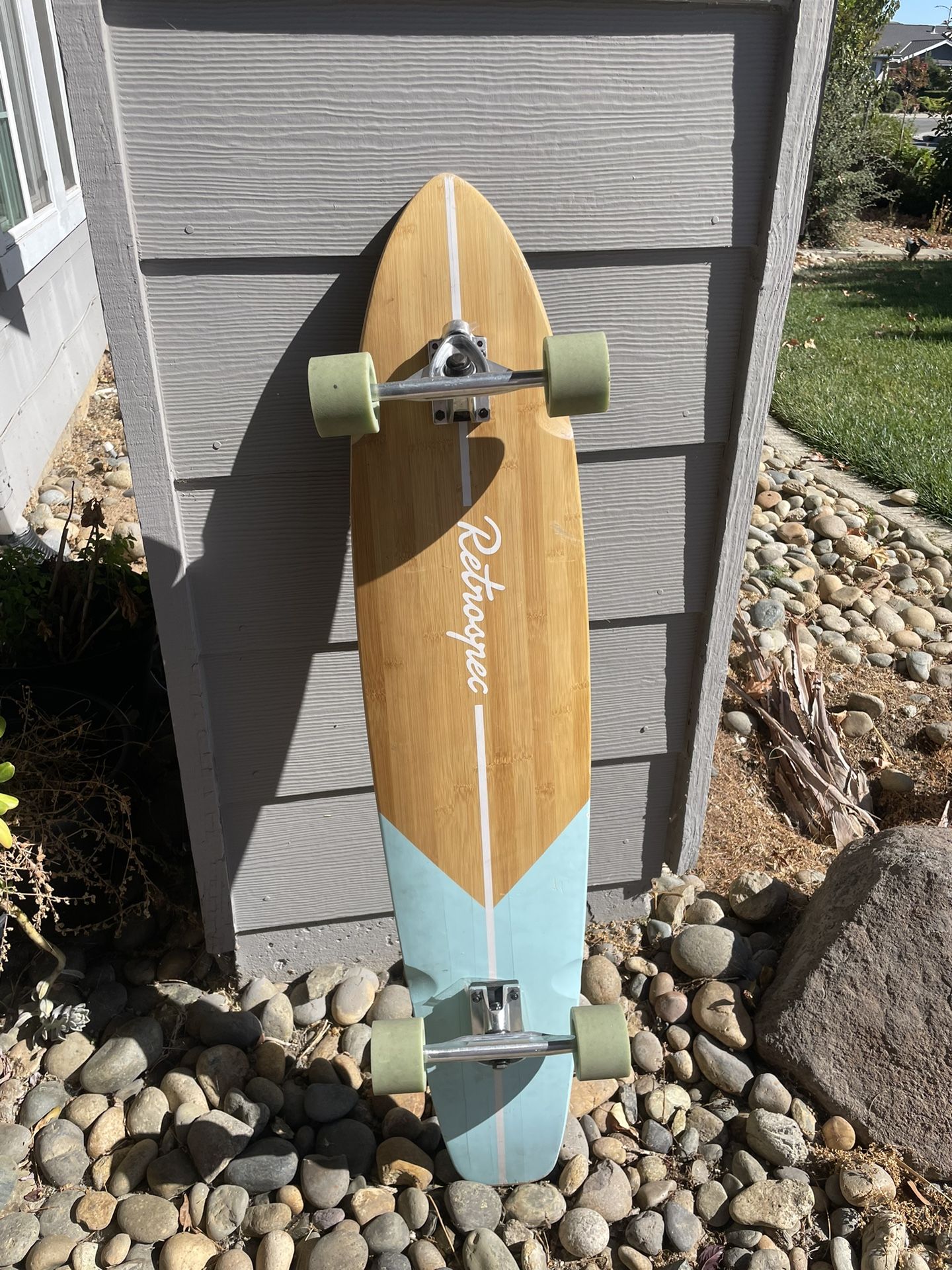
Gravel surfaces can be tricky for many boards, including longboards. The rough, uneven texture often causes wheels to get stuck or lose control. Alternative boards designed for mixed terrains offer better stability and grip on gravel. These boards can handle loose stones and rough paths more effectively. Exploring these options helps riders enjoy off-road adventures safely and comfortably.
All-terrain Skateboards
All-terrain skateboards come with large, soft tires that absorb bumps. Their wheels are usually pneumatic or made from rubber, which helps on gravel. The deck is sturdy and often reinforced to handle rough use. These skateboards provide more traction and control on uneven ground. Riders can explore dirt paths and gravel roads without constant fear of falling.
Hybrid And Cruiser Boards
Hybrid boards mix features from longboards and skateboards. They have medium-sized wheels that roll well on both pavement and gravel. Cruiser boards are smaller and lighter with soft wheels. Both types offer versatility for riders who want to switch between smooth streets and rougher trails. Their design balances speed and stability for casual gravel riding.
Pros And Cons Compared To Longboards
Alternative boards have better grip and shock absorption on gravel. They reduce the risk of accidents caused by loose stones. However, they may not offer the same smooth ride or speed as longboards on pavement. Some can be heavier or less maneuverable in tight spaces. Choosing the right board depends on the rider’s priorities and the terrain they prefer.
Improving Your Gravel Riding Experience
Riding a longboard on gravel can be tricky but rewarding with the right approach. Small changes improve control and safety. These tips help you enjoy your ride while protecting your board and yourself. Focus on adjusting your style, choosing better routes, and upgrading parts. Each step helps you handle rough surfaces better.
Adjusting Riding Style
Slow down on gravel to avoid slips. Keep your weight balanced and centered. Use smooth, gentle turns instead of sharp moves. Stay loose in your knees to absorb bumps. Watch the terrain ahead to pick the best path. Avoid sudden braking or acceleration, which can cause falls. Practice riding on small gravel patches before tackling larger areas.
Choosing The Right Routes
Pick roads or trails with packed gravel for easier rides. Avoid loose, deep gravel that stops wheels or causes falls. Look for routes with fewer sharp rocks or debris. Flat or gently sloped paths work better than steep hills. Check local parks or trails that allow longboarding. Plan your ride to stay on surfaces that support smooth rolling.
Upgrading Board Components
Install larger, softer wheels designed for rough surfaces. These wheels absorb shocks and roll over gravel better. Use wider trucks for more stability and control. Consider a deck with extra grip tape to prevent slipping. Add riser pads to reduce wheel bite on uneven ground. Regularly check your bearings for dirt and clean them often. Upgrades extend your board’s life and improve ride comfort.
Credit: www.reddit.com
Frequently Asked Questions
Can You Longboard On Gravel?
Longboarding on gravel is possible but risky. Gravel can cause accidents and damage your board. Use off-road wheels for better control. Always prioritize safety and avoid rough gravel surfaces.
Can I Skateboard On Gravel?
Skateboarding on gravel is risky and can damage your board. Use off-road skateboards with larger, softer wheels for better grip and safety.
Is It Illegal To Ride A Longboard On The Road?
Riding a longboard on the road depends on local laws. Some areas allow it in bike lanes or treat riders as pedestrians. Always check regulations, wear safety gear, and avoid busy streets to stay safe and legal.
Are Longboards Good For Rough Roads?
Longboards handle rough roads better with large, soft wheels designed for shock absorption. Standard wheels struggle on gravel and potholes. Off-road longboards perform best on uneven surfaces, reducing vibrations and improving stability. Choose appropriate wheels for safer, smoother rides on rough terrain.
Conclusion
Riding a longboard on gravel can be tricky and risky. Small wheels may get stuck or damaged easily. Larger, softer wheels handle gravel better and provide more control. Always wear protective gear to stay safe. Choose smooth paths whenever possible to protect your board.
Gravel riding wears down your longboard faster than pavement. Think carefully before taking your longboard off-road. Enjoy your ride, but keep safety and board care in mind.

