
If your longboard feels shaky or wobbly when you ride, you’re not alone. That unsettling wobble can make even the smoothest ride stressful and unsafe.
But here’s the good news: you can fix it. By making simple adjustments to your setup and riding style, you’ll gain better control and confidence on your board. In this guide, you’ll discover easy, practical steps to make your longboard more stable, so every ride feels smooth and secure.
Ready to stop the wobble and enjoy your longboarding to the fullest? Let’s dive in.
Causes Of Longboard Wobble
Longboard wobbles can make riding unsafe and less enjoyable. Understanding its causes helps you control and reduce the wobble. Several key factors lead to instability during your ride. These include speed, terrain, equipment setup, and riding style. Knowing these causes is the first step to making your longboard less wobbly.
Speed And Terrain Factors
High speeds often increase wobble risk. Fast downhill rides can make the board shake uncontrollably. Rough or uneven terrain also causes instability. Cracks, gravel, and bumps affect your board’s smooth movement. Smooth roads help keep the ride steady and safe.
Truck And Bushing Issues
Loose or worn trucks cause wobble problems. Trucks that are too loose make the board unstable. Bushings that are too soft or damaged reduce control. Harder bushings give more resistance and stability. Properly tightened trucks and quality bushings improve balance.
Rider Position And Technique
An incorrect stance can lead to wobble. Leaning too far back or standing stiff affects control. Keeping your knees bent lowers your center of gravity. Relaxing your body helps absorb shocks and maintain balance. Weight distribution also plays a crucial role in stability.
Adjusting Trucks For Stability
Adjusting your longboard trucks can greatly improve stability and reduce wobbles. Trucks connect your wheels to the deck and control how your board turns. Simple tweaks to the trucks create a more controlled ride, especially at higher speeds. Focus on tightening the rear trucks, picking the right bushings, and lowering truck angles. Each step helps your board feel less shaky and more stable on the road.
Tightening Rear Trucks
Tighten the rear trucks by turning the kingpin nut clockwise. This reduces side-to-side movement and adds stability. Avoid over-tightening, which can make turning difficult and cause other issues. Check the tightness often, especially before riding downhill. A firmer rear truck helps prevent speed wobbles and keeps you in control.
Choosing Harder Bushings
Harder bushings resist compression better than soft ones. They keep the trucks from moving too freely, which lowers wobble chances. Replace your bushings with higher durometer options for more stability. Test different hardness levels to find the best balance between smooth turning and steady riding.
Lowering Truck Angles
Lower truck angles reduce the turning radius and increase stability. Swap your trucks with lower degree options, like 40 degrees or less. This change limits sharp turns and keeps your longboard steady. Lower angles work well for downhill rides where control is critical.
Improving Riding Posture
Improving your riding posture plays a key role in making your longboard less wobbly. A solid stance helps you stay balanced and control the board better. Small adjustments in how you stand and move can reduce shaking and increase confidence. Focus on keeping your body relaxed, stable, and ready to react to changes on the road.
Lowering Your Center Of Gravity
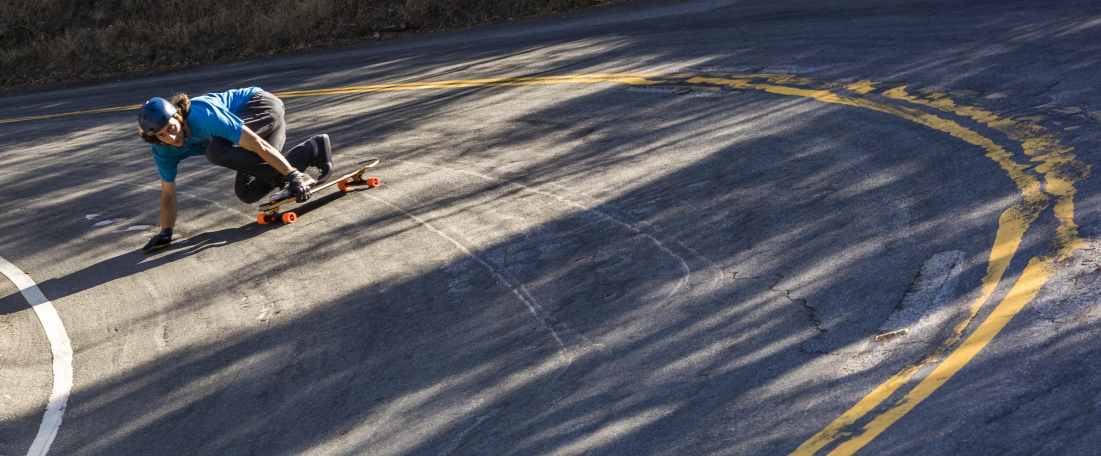
Lowering your center of gravity makes your ride more stable. Bend your knees slightly and avoid standing too straight. This stance keeps your body closer to the board. It helps you react faster to bumps and turns. A lower center of gravity reduces wobbling and gives you more control.
Weight Distribution Tips
Balance your weight evenly between both feet. Avoid putting all your weight on the back foot. Shift slightly more weight to your front foot for better steering. Keep your shoulders aligned with the board’s direction. Proper weight distribution helps the trucks stay stable and prevents shaking.
Bending Knees For Balance
Bending your knees keeps your body flexible and ready to absorb shocks. Straight legs make you stiff and increase wobble. Keep your knees bent but relaxed while riding. This position lets you adjust your balance smoothly. It also helps you stay connected to the board during fast rides.
Credit: stokedrideshop.com
Board Setup Modifications
Adjusting your longboard’s setup can greatly reduce wobbling. Small changes to the board help improve stability. These modifications target the deck, bearings, wheels, and maintenance habits. Each tweak can make the ride smoother and safer.
Using A Lower Deck
A lower deck reduces your center of gravity. This makes the longboard more stable at higher speeds. It also helps keep your balance better on uneven roads. Choose a deck closer to the ground for less wobble.
Drop-through or drop deck boards are good options. They sit lower than standard decks. This setup lowers your weight and improves control. It feels easier to stay steady when riding fast.
Upgrading Bearings And Wheels
High-quality bearings help your wheels spin smoothly. Smooth spinning reduces vibrations that cause wobbling. Look for bearings with good ratings for speed and durability.
Wheels also affect stability. Softer wheels absorb bumps better. Larger wheels roll over cracks and rough surfaces easily. This reduces shaking and wobble during rides. Pick wheels suited for your riding style and road type.
Maintaining Equipment Regularly
Check your longboard parts often to keep them in shape. Tighten loose trucks to prevent shaky steering. Clean bearings to remove dirt and improve spinning.
Inspect wheels for wear and replace them if needed. Worn wheels can cause uneven rolling and wobble. Regular maintenance keeps your setup stable and safe. It also extends the life of your longboard parts.
Speed Management Techniques
Managing your speed is key to making your longboard less wobbly. Controlling how fast you go helps keep the board stable. It also builds your confidence and improves your balance. Speed management is about riding smart and steady.
Starting With Moderate Speeds
Begin riding at moderate speeds. Avoid rushing or going too fast early on. Moderate speed lets you feel how the board reacts. It helps you spot wobbling early and correct it. Keep your knees bent and body relaxed to absorb bumps.
Gradual Hill Progression
Start with small hills before moving to steeper ones. Gradual hill progression trains your body and board to handle speed changes. It reduces sudden forces that cause wobbling. Practice braking and turning on gentle slopes. This builds skill for bigger hills later.
Relaxed Riding Approach
Stay calm and loose while riding. Tensing up causes stiff movements that increase wobble. Let your legs and arms move naturally with the board. Focus on smooth, steady motions instead of quick jerks. A relaxed approach improves control and reduces speed wobbles.
Braking And Control Strategies
Braking and control strategies play a key role in making a longboard less wobbly. They help maintain balance and prevent sudden movements that cause instability. Learning how to brake properly and control the board during wobbles improves safety and confidence on the road.
Effective Braking Methods
Use your foot to slow down smoothly by dragging it on the ground. This method offers gentle control and avoids abrupt stops. Another option is the slide stop, which requires practice but quickly reduces speed. Apply pressure evenly to keep the board stable during braking.
Avoiding Sudden Stops
Sudden stops cause the board to shake and lose control. Plan your braking early to avoid harsh stops. Gradual slowing helps keep the wheels steady and the ride smooth. Keeping your body relaxed also reduces the chance of wobbling.
Regaining Control During Wobbles
If the board starts to wobble, bend your knees to lower your center of gravity. Shift your weight slightly forward to stabilize the front truck. Keep your arms out for balance and steer gently to calm the wobble. Avoid panic braking, which can worsen the instability.
Safety Gear Recommendations
Wearing the right safety gear is key to a safe and confident longboarding experience. It protects your body from injuries during falls or sudden stops. Proper gear also helps you stay relaxed and focused on controlling your board.
Choosing good safety equipment can reduce wobble anxiety. It builds your trust in your skills and your board. Here are some important gear recommendations to keep you safe and stable.
Essential Protective Equipment
Start with basic protective gear like a helmet, knee pads, elbow pads, and wrist guards. These protect your most vulnerable areas during falls. Knee and elbow pads help absorb impact and prevent scrapes. Wrist guards stop serious wrist injuries and fractures. Always wear gloves if you practice sliding to protect your hands.
Importance Of Helmets And Pads
Helmets are the most crucial safety gear on a longboard. They protect your head from serious injury. Look for helmets that meet safety standards and fit snugly. Pads reduce the risk of bruises and cuts on your joints. They give you confidence to ride faster and practice new moves. Wearing pads can prevent small injuries from turning into bigger problems.
Choosing Comfortable Gear
Comfort is key when selecting protective equipment. Gear that fits poorly can distract you and reduce control. Choose pads and helmets with adjustable straps for a better fit. Lightweight materials keep you cool and agile. Breathable fabrics prevent sweating and skin irritation. Comfortable gear encourages longer rides and helps you focus on riding smoothly.

Credit: www.reddit.com
Practice Drills For Confidence
Building confidence is key to making your longboard less wobbly. Practice drills help you control your balance and handle speed better. These exercises train your body and mind to react smoothly to movements.
Consistent practice improves your riding skills and reduces fear. The more you practice, the steadier you will feel on your board. Start slow, focus on each drill, and notice your progress.
Balance And Stability Exercises
Stand on your longboard on a flat surface. Try to hold your balance for 30 seconds without moving. Shift your weight from one foot to the other. This trains your core and ankle strength.
Practice riding in a straight line and stopping smoothly. Use a wall or railing for support if needed. These exercises build your control and reduce wobble caused by shaky balance.
Controlled Speed Runs
Choose a gentle slope to practice controlled speed runs. Start slow and increase your speed gradually. Focus on keeping your knees bent and your weight centered.
Practice slowing down and stopping safely at different speeds. These runs teach your body how to handle speed without wobbling. Staying relaxed helps you stay steady.
Improving Reaction Time
Set up small cones or markers in a line. Practice weaving through them at a steady pace. This improves your reaction time and board control.
React quickly to changes in direction or speed. Faster reactions help you correct wobble before it grows. Repeat drills often to sharpen your reflexes.
Frequently Asked Questions
Why Is My Longboard So Wobbly?
Your longboard wobbles due to loose trucks, high speed, or uneven weight distribution. Tighten trucks, lower your center of gravity, and ride relaxed to improve stability.
How To Make Longboard More Stable?
Tighten the rear truck and use harder bushings to reduce wobble. Ride a lower deck and keep your knees bent. Shift weight forward and maintain moderate speeds. Practice braking and stay relaxed for better stability.
How Do You Stop Your Skateboard From Wobbling?
Tighten your trucks and use harder bushings to reduce wobbling. Keep your weight centered and bend your knees for stability. Ride at moderate speeds and stay relaxed to maintain control. Lowering your board or using lower degree trucks also helps stop skateboard wobble.
Is There A Way To Prevent Death Wobble?
Prevent death wobble by regularly inspecting and replacing worn front-end parts like track bars, ball joints, and tie rods. Maintain proper wheel alignment and consider installing a steering stabilizer. Always slow down calmly and avoid hard braking to control vibrations effectively.
Conclusion
Controlling wobble takes time and careful adjustments. Tighten your trucks slightly for more stability. Use harder bushings to reduce unwanted movement. Keep your knees bent to lower your center of gravity. Shift weight forward and avoid leaning too far back.
Practice riding at moderate speeds before going faster. Stay calm and relaxed while riding downhill. Always wear safety gear to protect yourself. Small changes make a big difference in your ride. Keep practicing and enjoy a smoother longboarding experience.

