
Choosing the right longboard fin can feel confusing, especially with so many options out there. But the fin you pick can change everything—from how your board turns to how fast you glide across the water.
If you want to ride smoother, carve better, and enjoy every wave, you need a fin that fits your style and board perfectly. In this guide, you’ll discover exactly what longboard fin you should get to boost your performance and have more fun on the waves.
Keep reading to find the fin that will make your longboard feel like an extension of yourself.
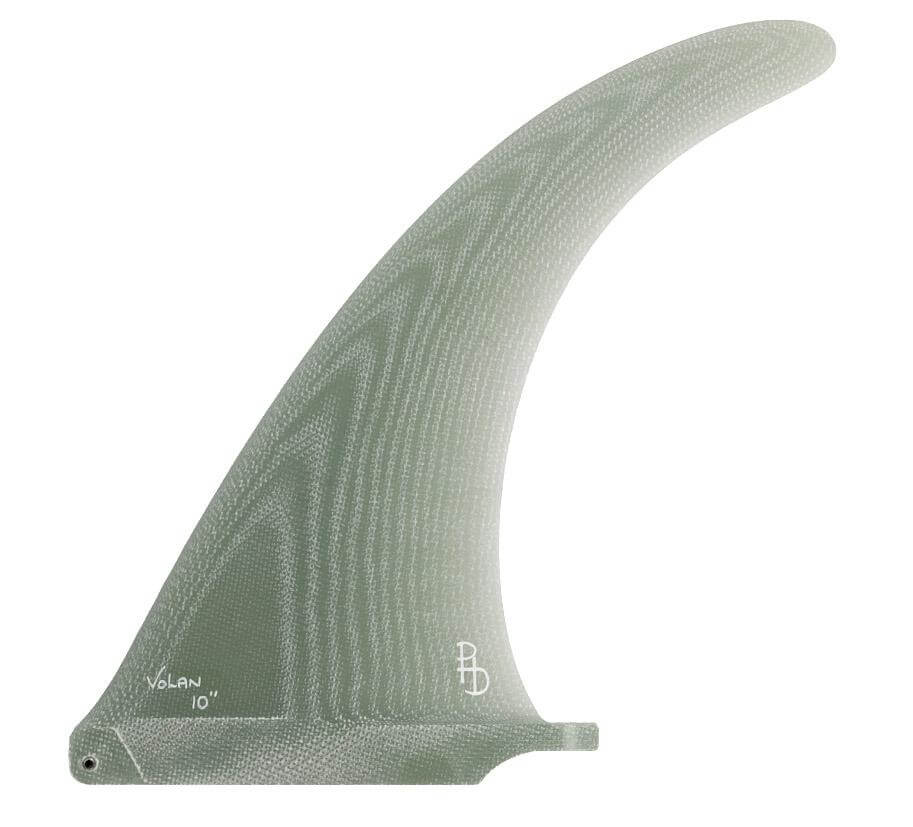
Longboard Fin Types
Choosing the right longboard fin affects your ride significantly. Fins control stability, turning, and speed. Different fins suit different styles and waves. Knowing the main fin types helps you pick the best one. Below are the four common longboard fin types.
Single Fins
Single fins are classic and simple. They give smooth turns and strong control. These fins suit cruising and noseriding. They offer stability in small to medium waves. Single fins help keep your board steady on long rides.
Pivot Fins
Pivot fins have a curved shape for sharper turns. They allow quick direction changes without losing speed. Surfers who like fast, tight maneuvers choose pivot fins. These fins add looseness while maintaining control. Great for more aggressive longboard surfing.
Flow Fins
Flow fins focus on smooth water flow around the fin. They offer a balance between control and speed. Flow fins work well in various wave conditions. They help create fluid turns and steady rides. Ideal for surfers wanting versatility and ease.
Flex Fins
Flex fins bend under pressure for a lively feel. They store and release energy during turns. This gives a springy, responsive ride. Flex fins suit surfers who want extra pop and flow. They improve maneuverability and add fun to each wave.
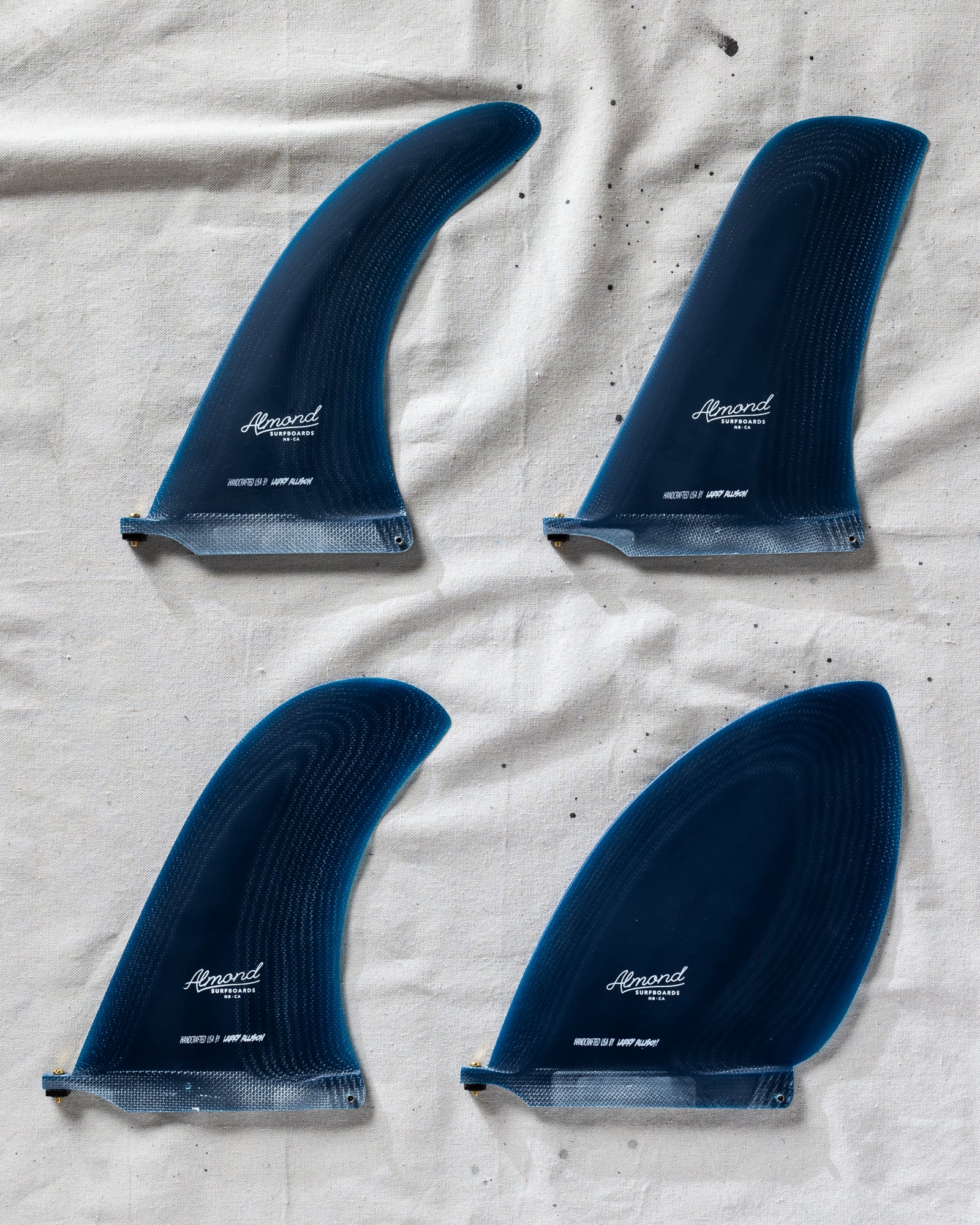
Credit: almondsurfboards.com
Choosing Fin Size
Choosing the right fin size is key for your longboard’s performance. The fin affects speed, control, and turning ability. Picking the correct size helps you enjoy smooth rides and better stability.
Fin Length Guidelines
Fin length usually ranges from 7 to 11 inches. Shorter fins provide quick turns and looseness. Longer fins offer more hold and straight-line speed. For beginners, a medium-sized fin balances control and ease.
Matching Fin Size To Board Length
Board length guides fin size choice. For boards 9 to 9.3 feet, use fins 8.5 to 10 inches. For 9.6 to 10-foot boards, fins 9 to 11 inches fit best. A larger fin suits longer boards for better stability.
Adjusting For Surfing Style And Weight
Surfing style changes fin needs. Aggressive surfers may prefer smaller fins for sharper turns. Smooth, cruising styles benefit from bigger fins for steady rides. Heavier riders need larger fins to maintain control and balance.
Fin Shapes And Performance
Fin shapes greatly affect your longboard’s speed and control. Each shape suits different styles and waves. Choosing the right fin shape helps you surf better and enjoy your ride more.
Understanding how fin shapes perform allows you to pick the best one for your needs. Here are some common fin shapes and their benefits.
D-fins For Trimming
D-Fins have a classic, rounded shape. They offer smooth, stable turns and steady speed. These fins excel in straight trimming along the wave face. They provide control without too much drag. D-Fins suit surfers who like long, flowing rides.
Square Tail Compatible Fins
Square tail fins are wider and more angular. This shape adds extra drive and power. They help maintain speed during sharp turns and quick maneuvers. These fins work well with square tail boards that need more grip. They give a strong hold on the wave’s face.
Curvy Tail Fin Options
Curvy tail fins have a smooth, flowing outline. They provide a mix of speed and maneuverability. These fins allow easy pivoting and tight turns. Curvy tails suit surfers who like playful, responsive rides. They help make the board feel lively and fun in smaller waves.
Material And Flex
Choosing the right longboard fin involves understanding its material and flex. These two factors affect how your board reacts in the water. Different materials offer varying strength and flexibility. Flex influences the fin’s response to turns and speed. Knowing these details helps pick a fin that matches your style and needs.
Rigid Vs Flexible Fins
Rigid fins are made from hard materials like fiberglass or carbon fiber. They hold their shape well and provide a strong grip on the wave face. These fins deliver precise control and stability at high speeds.
Flexible fins often use softer plastics or composite materials. They bend more easily under pressure. This allows for smoother, looser turns and a more forgiving ride. Flexible fins absorb some energy, which can help in choppy conditions.
Impact On Ride Feel
Rigid fins give a sharper, more direct feel. You notice every change in direction clearly. This suits riders who want tight control and quick response.
Flexible fins feel more fluid and relaxed. They allow the board to slide slightly during turns. This creates a playful and flowing experience on the water. Beginners may find flexible fins easier to handle.
Fin Placement And Setup
Fin placement and setup are key to how your longboard rides. The position of your fin affects speed, stability, and turning ability. Small changes can make a big difference in performance. Understanding fin placement helps you choose the right setup for your style and conditions.
Center Fin Positioning
The center fin usually sits in the middle of the tail. Its placement affects how the board tracks in the water. Moving the fin forward gives more speed but less control. Moving it back adds control but may slow you down. Find a balance that suits your riding style and the waves you catch.
Effects Of Fin Placement On Control
Fins placed closer to the tail increase stability and control. This helps in tight turns and sharp maneuvers. Placing fins further forward makes the board looser and easier to slide. Experiment with fin position to discover what feels best. Your setup changes how you carve and hold your line on the wave.
Popular Fin Brands
Choosing the right longboard fin can improve your surfing experience a lot. Many brands offer fins with different shapes and sizes. Each brand has unique features that suit different styles and wave conditions. Here are some popular fin brands to consider for your longboard.
Fcs Longboard Fins
FCS is a well-known brand in the surf world. Their longboard fins come in various sizes and designs. FCS fins are made with durable materials for strong performance. Many surfers trust FCS for their quality and fit. These fins offer good stability and control on the wave.
Almond Surfboards Options
Almond Surfboards offers fins designed by surfers for surfers. Their fins focus on smooth turns and easy flow. Almond fins often have a classic shape that works well for traditional longboarding. They provide a balanced feel on different wave types. Almond fins are great for riders who like a natural surfing style.
Huck Finn and Log Rhythm
Huck Fin and Log Rhythm are brands that specialize in longboard fins with unique designs. Huck Finn fins are known for their speed and maneuverability. Log Rhythm fins focus on providing a loose, playful ride. Both brands use quality materials to ensure durability. These fins suit surfers who want a lively, fun experience on their longboard.
Fin Maintenance Tips
Proper fin maintenance keeps your longboard performing well. Clean fins reduce drag and improve speed. Regular checks catch small problems early. Follow these easy tips to extend your fin’s life and enjoy smoother rides.
Cleaning And Storage
Rinse fins with fresh water after every session. Salt and sand can damage fin material over time. Use a soft cloth to wipe fins dry. Store your longboard in a cool, dry place. Avoid direct sunlight to prevent warping or fading. Remove fins if possible during transport to avoid breaks.
Inspecting For Damage
Check fins for cracks or chips before each use. Small cracks can grow and affect performance. Look for loose screws or fin boxes that may cause wobbling. Replace damaged fins immediately for safety. Tighten screws regularly to keep fins secure. A well-maintained fin improves control and balance on the water.
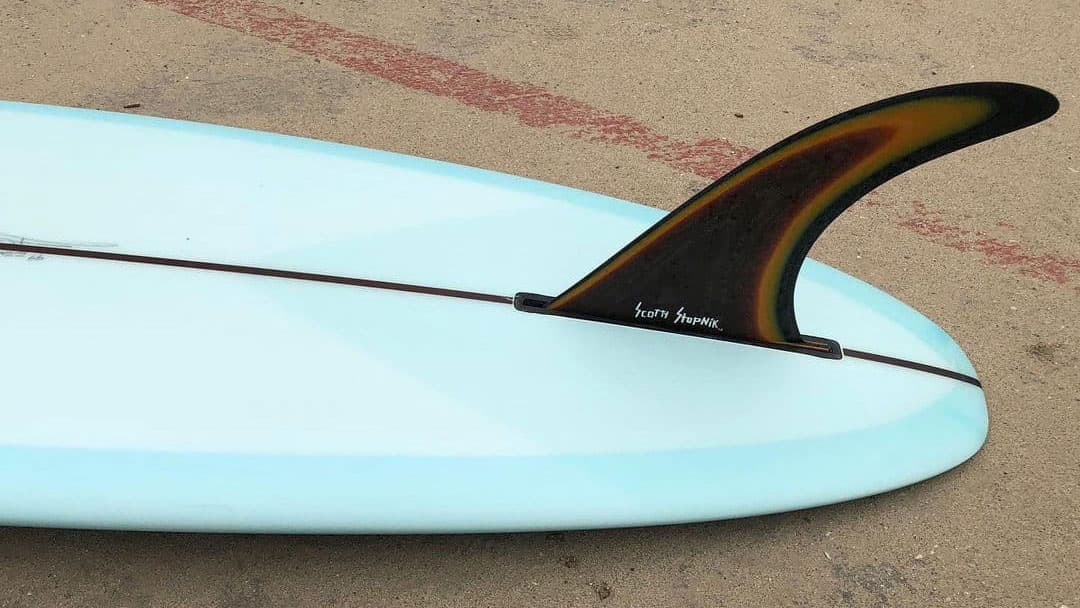
Testing And Adjusting Your Fin
Testing and adjusting your longboard fin helps improve your ride. Different fins feel different on the water. It takes time to find the right fit for your style and the waves you surf. Small changes can make a big difference in control and speed. Try out various fins and settings to see what works best for you. Keep notes on how each fin performs. This process helps you get the most from your longboard.
Trial And Error Techniques
Start by choosing a fin that matches your board size. Attach it and take a few rides in different wave types. Notice how the board turns and holds the line. If it feels slow or hard to turn, try a smaller or more flexible fin. If you lose control, try a bigger or stiffer one. Swap fins often and test again. Keep adjusting until you find a good balance of speed and control.
Fine-tuning For Conditions
Wave size and shape affect fin choice. On small, slow waves, a larger fin gives better stability. For fast, steep waves, a smaller fin lets you turn quickly. Adjust the fin position if your board allows it. Move it forward for better maneuverability. Move it back for more hold and speed. Check how your fin reacts in different waves. Fine-tuning your fin setup helps you surf better every time.
Frequently Asked Questions
Is A Single Fin Or 2 1 Longboard Better?
A single fin offers smooth, classic control for cruising. Two fins improve maneuverability and responsiveness for dynamic turns. Choose based on your style: single fin for stability, two fins for agility.
What Size Fin For A 9’3 Longboard?
For a 9’3″ longboard, choose a single fin sized between 8. 5″ and 10″. This ensures smooth, stable rides.
How Do You Choose The Right Size Fin?
Choose a fin size based on your board length and style. Longer boards suit larger fins (9″-11″), while shorter boards use smaller fins (7″-10″). Match fin size to wave type and riding style for better control and maneuverability.
Are Fcs 2 Fins Better Than Fcs 1?
FCS 2 fins offer easier installation and better compatibility than FCS 1. Performance depends on your board and style.
Conclusion
Choosing the right longboard fin changes your ride feel. Size and shape affect speed and control. Bigger fins help with stability, and smaller fins turn more easily. Consider your skill level and surfing style. Test different fins to find what suits you best.
Enjoy smooth rides and better waves with the right fin. Your perfect longboard fin is out there—keep exploring!
