
Have you ever wondered why longboards typically have just one fin? If you’re curious about how that single fin shapes your ride, you’re in the right place.
That lone fin isn’t just for style—it plays a big role in how your longboard moves through the water. Whether you’re chasing smooth, flowing turns or looking for stability as you glide across waves, understanding why longboards stick to one fin can change the way you surf.
Keep reading, and you’ll discover how this simple design choice can boost your control, speed, and overall surfing experience.
Single Fin Design
The single fin design is a classic feature in longboards. It plays a key role in how the board moves on water. This design offers a smooth, flowing ride that many surfers love. It helps control speed and direction with ease. The single fin also reduces drag, allowing the board to glide faster across waves.
This design is popular for small to medium waves. It supports long, graceful turns instead of sharp cuts. The single fin gives a relaxed and stable feel. It helps surfers enjoy a more natural and traditional surf style.
Fin Placement And Shape
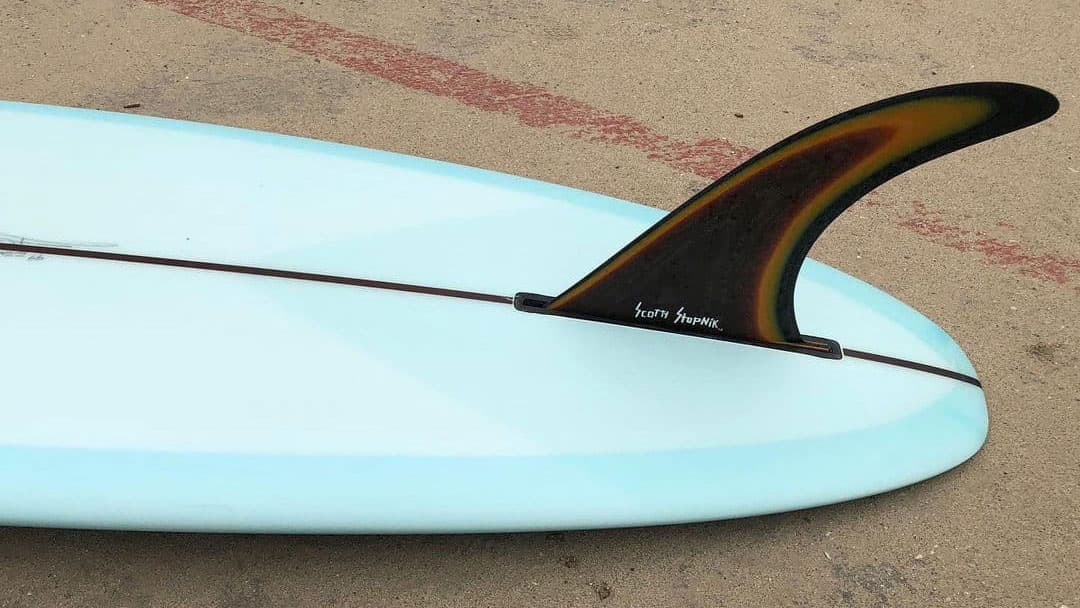
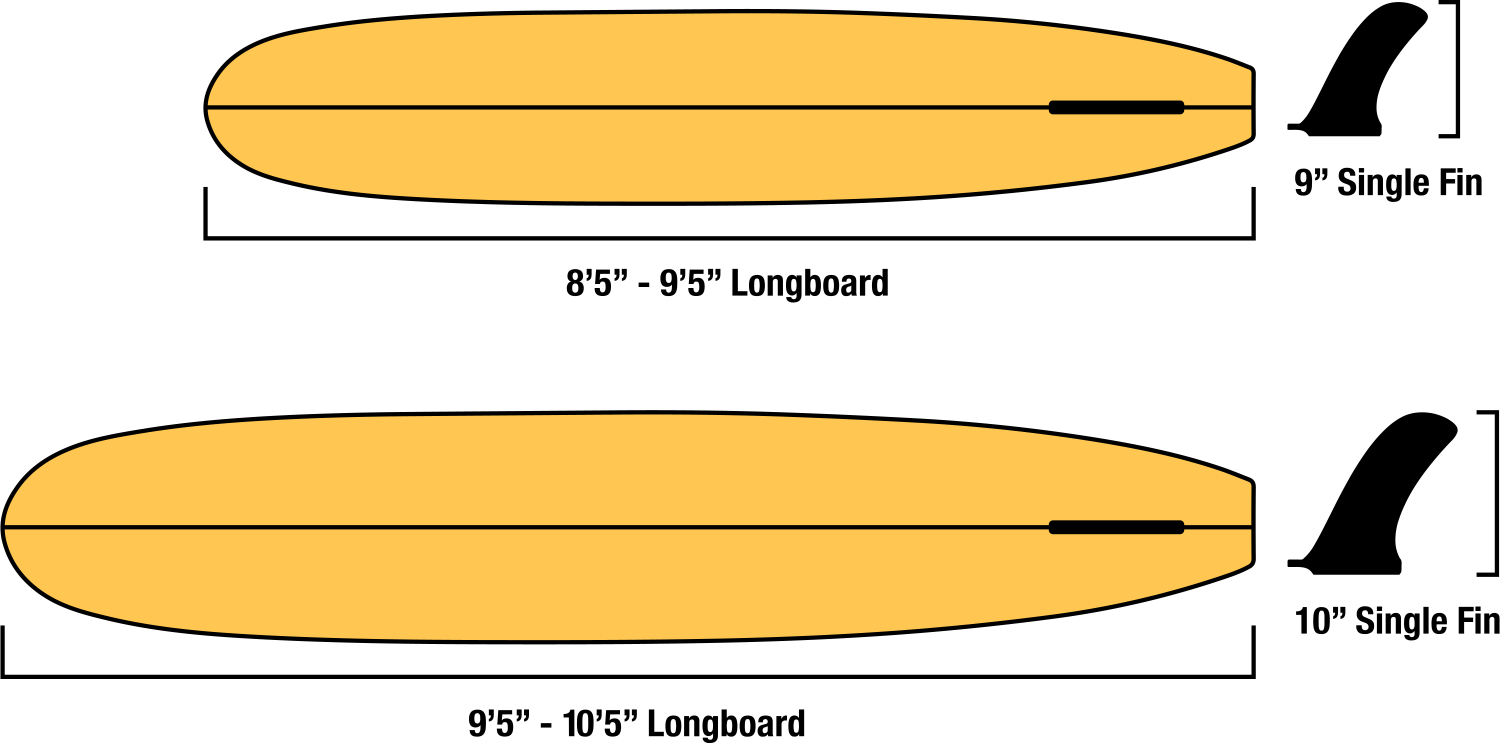
The fin sits near the back center of the board. This placement helps with balance and control. It acts like a rudder, guiding the board’s path. The shape of the fin is usually large and curved. This shape helps the board stay steady in the water. It also allows smooth pivot turns rather than quick carves.
A wide base gives the fin strength and stability. The tip is often rounded for less drag. This shape helps the surfer make long, flowing turns. The single fin design focuses on control, not speed bursts or quick direction changes.
Materials And Construction
Fins are made from strong, lightweight materials. Common materials include fiberglass, plastic, and carbon fiber. Fiberglass fins offer good strength and flex. Plastic fins are affordable but less durable. Carbon fiber fins are the lightest and provide the best performance.
The fin is attached firmly to the board. Some fins are fixed, while others can be removed. Removable fins let surfers change fin types for different waves. Quality construction ensures the fin stays secure during rides. It must handle pressure and impacts without breaking.
The choice of material affects how the fin flexes. Flex can influence the board’s speed and control. A stiffer fin gives more drive and stability. A flexible fin allows smoother, looser turns. Surfers pick fins based on their style and wave conditions.
Stability Benefits
Longboards commonly have one fin because it adds important stability benefits. This single fin helps riders stay balanced on the wave. It improves control and smoothness while riding. The fin’s design supports a steady glide and reliable performance. Riders can enjoy better handling in various wave conditions due to this stability.
Control In Small To Medium Waves
The single fin offers excellent control in small to medium waves. It keeps the board steady and prevents slipping sideways. This control allows riders to maintain a straight line. The fin helps guide the board gently through the wave face. It makes riding easier for beginners and enjoyable for experienced surfers.
Reduced Drag For Speed
A single fin creates less drag than multiple fins. Less drag means the board moves faster across the water. This speed helps riders catch waves earlier and glide longer. The simple fin shape cuts through the water smoothly. Riders feel the board respond quickly and flow naturally.
Pivot Point For Smooth Turns
The single fin acts as a pivot point for turning. It allows riders to make smooth, flowing turns instead of sharp cuts. The fin keeps the board balanced during each turn. This pivot helps riders flow with the wave’s movement. It encourages graceful style and easy direction changes on the wave.
Riding Style Impact
The riding style greatly influences why longboards have one fin. This single fin shapes how the board moves and responds to waves. It supports a smooth, flowing ride rather than sharp, aggressive turns. The fin helps riders glide with control and grace. Each aspect of riding benefits from this design.
Graceful, Flowing Turns
The single fin creates a pivot point for the board. This allows riders to make smooth, flowing turns with ease. The turns feel natural and elegant, not sharp or harsh. The fin gives just enough hold to keep balance. It supports a style that values rhythm and flow over quick direction changes.
Nose Riding Advantages
Longboards with one fin excel at nose riding. The fin offers stability when the rider moves to the front. This stability helps maintain control while performing classic nose rides. The single fin keeps the board steady and less twitchy. It allows riders to enjoy long, relaxed rides on the wave’s face.
Down The Line Speed
The single fin reduces drag compared to multiple fins. Less drag means the board can gain more speed down the line. This helps riders catch waves early and glide smoothly for longer distances. The fin design balances speed with control, making it easier to cruise. It suits riders who prefer a relaxed but fast ride.
Comparison With Multiple Fins
Understanding the difference between a single fin and multiple fins helps explain why longboards usually have one fin. Each fin setup offers unique benefits and drawbacks that affect how a longboard performs in water. Comparing these setups shows why the single fin remains popular for traditional longboarding styles.
Lateral Stability Differences
A single fin provides moderate lateral stability. It allows the board to slide sideways slightly during turns. Multiple fins create more grip, reducing sideways slide. This grip gives extra stability but limits smooth, flowing turns. Single fins let riders feel the wave’s natural flow more clearly.
Drag And Speed Variations
One fin creates less drag in the water. Less drag means the longboard can glide faster and easier. Multiple fins increase drag by adding more surface area. This drag slows the board down, especially on small or medium waves. Single fins help riders maintain speed with less effort.
Handling In Rough Waters
Multiple fins improve control in choppy or rough water. They provide a better hold and prevent the board from sliding out. Single fins offer less hold, making handling rough water more challenging. Riders often choose multiple fins for strong waves and rough conditions. Single fins work best in cleaner, softer waves for a smooth ride.
Fin Choice For Longboarders
Choosing the right fin is key to longboard performance. The fin affects speed, stability, and turning style. Longboard fins come in various shapes and sizes. Each fin setup suits different wave conditions and rider styles.
Many longboarders prefer a single fin for its smooth ride and classic feel. This fin type offers control and glide on small to medium waves. It helps riders make long, flowing turns with ease.
When To Choose a Single Fin
Single fins suit riders who like relaxed, smooth turns. They reduce drag and increase straight-line speed. This makes catching waves easier and keeps momentum on long rides. Single fins work well for nose riding and cruising.
Use a single fin on gentle waves and calm conditions. It gives a loose feel, letting the board pivot naturally. This setup is perfect for surfers who enjoy style over aggressive maneuvers.
Alternatives And Hybrid Setups
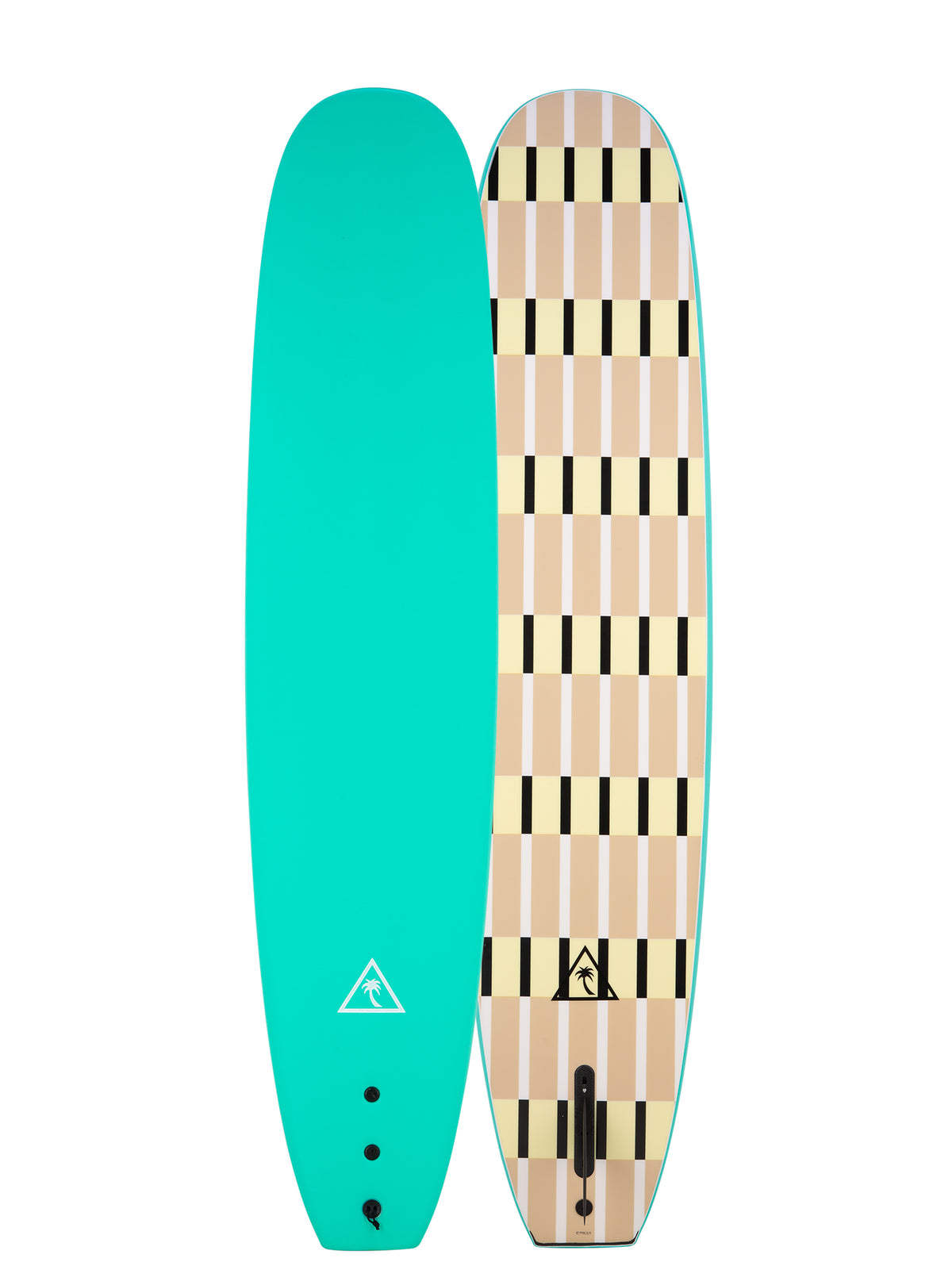
Some riders try alternatives like twin fins or thrusters. These setups add more control and sharper turns. They increase lateral stability in rough water or faster waves.
Hybrid fins combine a large single fin with smaller side fins. This blend offers speed and maneuverability. It suits surfers who want versatility across different waves and styles.
Choosing fin setups depends on wave type and personal preference. Experimenting helps find the best fit for your longboarding needs.
Credit: catchsurf.com
Historical And Cultural Context
Longboards have a deep history rooted in the early days of surfing. The use of one fin is tied closely to this heritage. Understanding this helps explain why single fins remain popular today. The design reflects a balance of tradition and function shaped over time.
Many surfers appreciate the simplicity and control offered by a single fin. This choice connects them to the classic style and culture of longboarding. The story of the fin is also a story of surfing itself.
Classic Longboard Heritage
Early longboards used a single fin to provide stability and smooth turns. This fin style was easier to build and maintain with the materials available then. It allowed surfers to glide gracefully on waves, emphasizing style over speed.
The single fin became a symbol of old-school surfing culture. It supported the slow, flowing maneuvers that define classic longboarding. Surfers who embrace this style often seek the nostalgia and feel of those early days.
Evolution Of Fin Designs
Fin designs evolved as surfers experimented with speed and control. Multiple fins appeared to offer more grip and sharper turns on bigger waves. Still, the single fin stayed relevant for its clean lines and smooth ride.
Modern longboards often keep one fin to honor tradition and maintain stability. Some boards add removable fins for versatility, but many riders prefer the original single fin feel. This blend of old and new keeps the longboard’s heritage alive.
Credit: www.boardcave.com
Frequently Asked Questions
Why Do Longboards Have A Single Fin?
Longboards have a single fin to provide smooth, stable turns and reduce drag. This design enhances control and speed on small to medium waves. The single fin creates a pivot point, allowing graceful, flowing maneuvers and better nose riding performance.
What Is The Benefit Of A Single Fin?
A single fin offers smooth, drawn-out turns, reduces drag for faster speed, and provides better control on small to medium waves.
Is A Single Fin Or 2 1 Longboard Better?
A single fin offers smooth, graceful turns and better speed with less drag. A 2+1 setup adds stability and sharper turning, ideal for varied conditions. Choose a single fin for classic style and glide; pick a 2+1 for control and maneuverability in rougher waves.
Is It Better To Have 3 Fins Or 1 Fin Surfboard?
A single fin offers smooth, stable turns and less drag, ideal for cruising and nose riding. Three fins provide better control, speed, and maneuverability in rougher waves. Choose based on your surfing style and wave conditions.
Conclusion
A single fin on a longboard offers smooth, flowing turns and better control. It reduces drag, helping riders glide faster on small to medium waves. This design supports classic, relaxed styles like nose riding and long, gentle curves. While it may feel less stable at high speeds, it suits riders who enjoy grace over aggressive maneuvers.
Choosing a single fin keeps the ride simple and enjoyable for many surfers. It balances speed, stability, and style in a way that fits longboarding’s timeless appeal.

