
You love the thrill of longboarding, but what happens when the pavement gets wet? You might wonder if you can still ride safely or if it’s just too risky.
Wet pavement can change everything—from how your wheels grip the ground to the chance of damaging your board. Before you grab your longboard after the rain, it’s important to know what dangers you face and how to protect both yourself and your gear.
Keep reading to discover the real deal about longboarding on wet pavement, so you can make smart choices every time you ride.
Risks Of Wet Pavement
Riding a longboard on wet pavement involves several risks. Wet surfaces change the way your board interacts with the ground. These changes can affect your control and the condition of your equipment. Understanding these risks helps you stay safe and protect your longboard.
Reduced Traction And Grip
Wet pavement lowers the friction between wheels and the surface. Your longboard wheels slide more easily on water. This loss of grip makes it hard to steer and stop. Turns become slippery and unpredictable. Reduced traction increases the chance of losing balance.
Increased Fall Hazard
Slippery pavement raises the risk of falls. Water creates a slick layer that hides small obstacles. Sudden slips can lead to serious injuries. Falling at high speed is dangerous on any surface. Wet conditions demand slower speeds and extra caution.
Damage To Bearings And Hardware
Water can enter the bearings and metal parts of your longboard. Moisture causes rust and corrosion inside bearings. Rusty bearings spin poorly and can seize up. Hardware like trucks and bolts also suffers from water damage. Regular lubrication and drying are necessary after wet rides.
Deck Warping And Delamination
Longboard decks are usually made of wood layers glued together. Water seeps into the wood and glues over time. This causes the deck to warp or lose its shape. Delamination happens when the layers separate. A warped or delaminated deck loses strength and control.
Longboard Performance In Wet Conditions
Longboarding on wet pavement changes how your board behaves. Water reduces the grip between the wheels and the ground. This affects your ride quality and safety. Understanding these effects helps you decide when to ride.
Here are key points about longboard performance in wet conditions.
Wheel Hydroplaning
Hydroplaning happens when a thin layer of water lifts your wheels off the ground. This causes loss of contact and grip. Your wheels slide instead of rolling. It feels like floating on water. Hydroplaning increases the risk of falls and crashes.
Difficulty In Braking And Turning
Wet pavement lowers the friction between wheels and the surface. Braking takes longer and feels less stable. Turning becomes harder because the wheels slip more easily. Sharp or quick turns are risky in wet conditions. Riders must slow down and be gentle with controls.
Effect On Speed And Control
Water slows down your longboard due to less traction. Maintaining balance is more challenging. Small bumps or cracks in wet pavement can cause sudden slips. Speed control requires extra focus and care. Riding slower helps keep control and avoid accidents.
Safety Gear For Wet Riding
Riding a longboard on wet pavement is risky. The surface becomes slippery and can cause falls. Proper safety gear helps protect you and improve control. Wearing the right equipment can reduce injuries and increase confidence while riding in wet conditions.
Essential Protective Equipment
Wear a certified helmet to protect your head. Knee pads and elbow pads guard against scrapes and bruises. Wrist guards help prevent fractures during falls. Choose gear that fits well and stays secure during rides. Quality protection makes a big difference on slippery pavement.
Choosing The Right Wheels
Soft wheels provide better grip on wet surfaces. Look for wheels with higher durometer ratings around 78A or lower. Larger wheels roll smoothly over puddles and rough spots. Avoid hard, slick wheels that slip easily on wet ground. Proper wheels improve traction and control in wet weather.
Waterproof Clothing Tips
Wear waterproof jackets and pants to stay dry. Choose breathable materials to avoid overheating. Waterproof gloves keep your hands warm and improve grip. Avoid cotton as it absorbs water and stays wet. Dry clothing keeps you comfortable and focused on riding safely.

Riding Techniques On Wet Pavement
Riding on wet pavement demands careful control and attention. Wet surfaces reduce grip and increase the chance of slipping. Using the right riding techniques helps maintain balance and safety. Each move should be deliberate and smooth to avoid sudden slips. Below are essential techniques to follow for wet pavement longboarding.
Adjusting Your Speed
Slow down your riding speed significantly on wet pavement. High speed increases the risk of losing traction and falling. Ride at a pace where you feel stable and can stop quickly if needed. Avoid sudden acceleration or braking to keep control of your board. Smooth speed helps maintain balance and reduces wheel slip.
Smooth And Controlled Turns
Turn gently and avoid sharp, quick movements while riding wet surfaces. Abrupt turns can cause your wheels to slide out from under you. Lean slowly into each turn and keep your weight centered on the board. Controlled turns maintain wheel grip and prevent falls. Practicing gentle curves builds confidence on slippery pavement.
Avoiding Puddles And Hazards
Scan the pavement ahead for puddles, oil spots, or debris. Puddles hide uneven spots and reduce wheel traction. Ride around wet areas and hazards to stay safe. Skating through puddles can cause your board to lose grip or damage bearings. Choosing a clear path keeps your ride smooth and prevents accidents.
Longboard Maintenance After Wet Rides
Riding your longboard on wet pavement can lead to damage if you skip proper care. Water affects the wood, bearings, and hardware. Taking time to maintain your longboard after wet rides keeps it safe and smooth. Regular maintenance extends the life of your board and parts.
Cleaning And Drying The Deck
Start by wiping the deck with a dry cloth to remove water and dirt. Avoid using too much water during cleaning to protect the wood. Let the deck air dry in a cool place, away from direct sunlight. This prevents warping and cracking caused by heat and moisture.
Bearing Care And Lubrication
Wet bearings can rust and stop spinning freely. Remove the bearings from the wheels carefully. Clean them with a bearing cleaner or isopropyl alcohol. Let them dry completely before applying lubricant. Use a light oil or special bearing lube to keep them smooth. Reinstall the bearings only when they spin without noise or resistance.
Inspecting For Damage
Check the deck for cracks, chips, or warping after it dries. Inspect the trucks and screws for rust or looseness. Tighten any loose parts and replace rusty hardware. Look at the wheels for flat spots or damage. Early detection helps avoid bigger problems later.
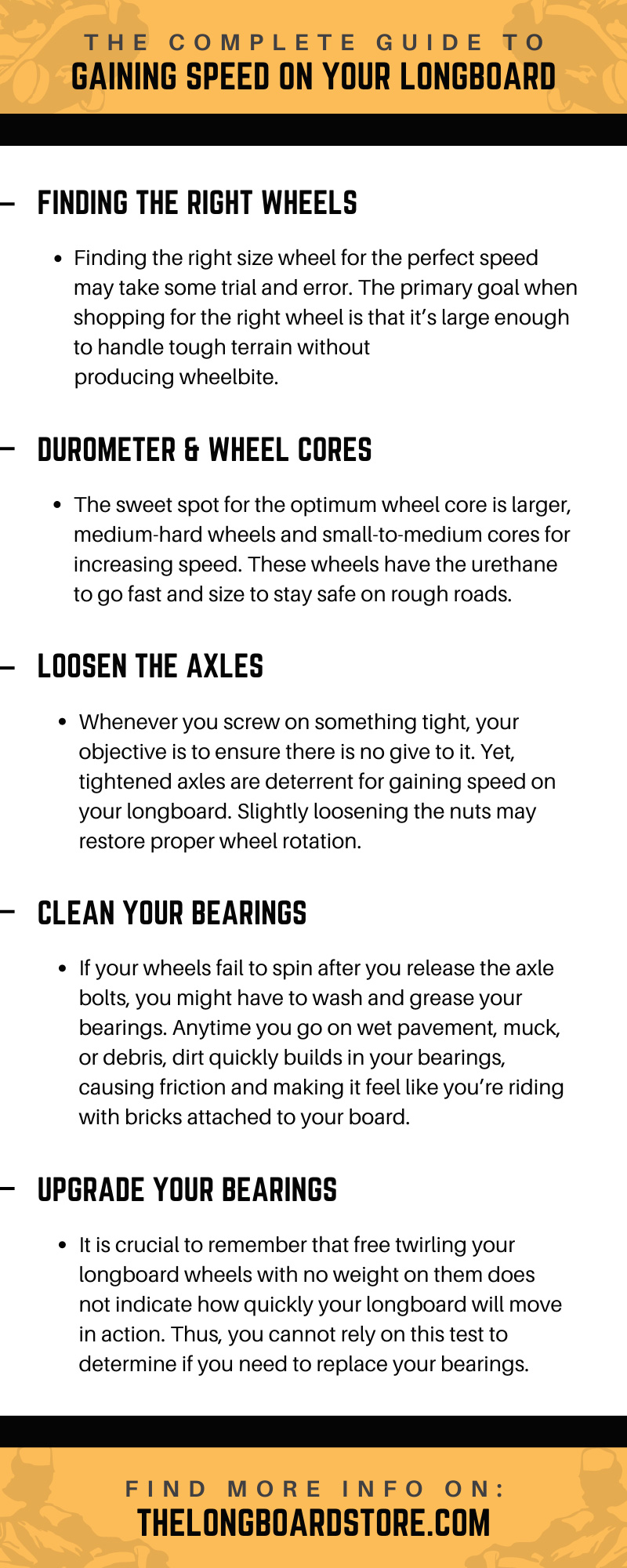
Credit: www.thelongboardstore.com
Alternatives To Riding On Wet Surfaces
Riding a longboard on wet pavement can be risky. The slippery surface makes it hard to control your board. It also harms your board’s parts over time. To keep safe and protect your gear, explore other options. These alternatives let you enjoy longboarding without the dangers of wet ground.
Indoor Longboarding Options
Indoor spaces offer smooth, dry floors perfect for longboarding. Gyms, skateparks, or large garages work well. These places keep you safe from rain and wet surfaces. You can practice tricks and improve skills without worrying about slipping. Indoor riding also protects your longboard from water damage.
Waiting For Dry Conditions
Patience pays off. Wait for the pavement to dry before riding. Dry roads provide better grip and control. Check the weather forecast before heading out. This simple step reduces accidents and keeps your board in good shape. Riding on dry pavement is always the safer choice.
Using Specialized Boards
Some longboards are designed for wet or rough surfaces. They come with special wheels that grip better on slippery ground. These boards also have water-resistant parts to avoid damage. Using them lowers the risk of falls and wear. Choosing the right board helps you ride confidently in varied conditions.

Frequently Asked Questions
Can I Longboard On Wet Ground?
Longboarding on wet ground reduces traction, increasing the risk of slipping and falling. Water can damage bearings and warp the deck. Avoid riding on wet surfaces to protect your board and ensure safety.
Is It Okay To Skateboard On Wet Pavement?
Skateboarding on wet pavement reduces wheel grip and increases slipping risk. It can also damage bearings and warp the board. Avoid skating on wet surfaces to maintain safety and protect your skateboard.
Can You Ride A Hoverboard On Wet Pavement?
Riding a hoverboard on wet pavement risks slipping and damaging internal components. Avoid wet surfaces to protect the motor and motherboard. Choose rugged hoverboards with higher motors for off-road or rainy conditions. Safety and device longevity depend on keeping it dry.
What Happens When A Longboard Gets Wet?
Water can warp the wooden deck and cause metal bearings to rust. Wet surfaces reduce wheel grip, increasing slip and fall risk. Riding wet longboards often damages hardware and shortens board life. Regularly drying and lubricating bearings helps protect your longboard after exposure to water.
Conclusion
Riding a longboard on wet pavement is risky and can cause falls. Water reduces wheel grip and makes turns harder. Wet surfaces also damage your board’s wood and metal parts. Protect your longboard by avoiding rain or drying it quickly after use.
Stay safe by choosing dry roads for riding. Remember, better safe than sorry when longboarding in wet conditions.

