
Riding downhill on a longboard feels amazing—the wind in your face, the thrill of speed, and the rush of adrenaline. But when it’s time to stop, do you know exactly how to do it safely and confidently?
Learning how to stop your longboard downhill is essential for staying in control and avoiding accidents. Whether you’re a beginner or looking to improve your skills, this guide will show you simple, effective techniques to slow down and stop smoothly.
Keep reading, because mastering these stops will make your rides safer and much more enjoyable.

Foot Braking Techniques
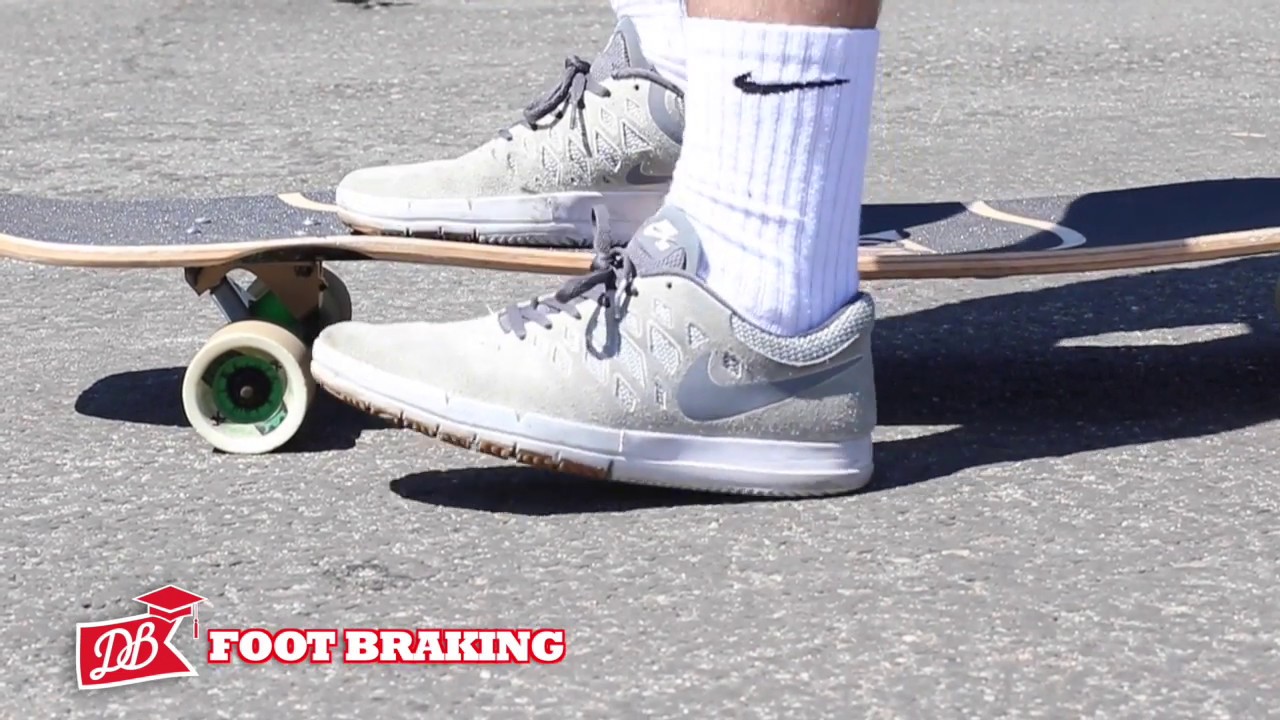
Foot braking is one of the most effective ways to stop your longboard downhill. It uses your foot to create friction against the ground, slowing you down safely. This method is suitable for riders of all skill levels. Practicing foot braking increases your control and confidence on slopes.
Basic Foot Brake
To do a basic foot brake, start by shifting your weight to your front foot. Keep your back foot ready to touch the ground. Gently lift your back foot off the board and place it flat on the road behind you. Apply light pressure to create friction without losing balance. The slower you want to stop, the more pressure you add. Always keep your knees bent for stability.
Advanced Foot Dragging
Advanced foot dragging involves using the side of your shoe to scrape the ground. This method slows you down more smoothly on steep hills. To do this, lean slightly back and angle your foot sideways. Drag the edge of your shoe along the pavement while maintaining your balance. It helps to wear shoes with durable soles for better friction. This technique requires practice to control speed safely.
Common Mistakes To Avoid
Many riders press too hard with their foot, causing sudden stops and falls. Avoid putting all your weight on the foot brake. Do not lift your back foot too high or place it too far behind. This can make you lose balance. Also, avoid dragging your foot in wet or slippery areas. Always practice on smooth, dry roads before trying steeper hills.
Credit: www.youtube.com
Sliding Methods
Sliding methods are essential techniques for stopping safely during downhill longboarding. These methods help control your speed and maintain balance on steep slopes. Learning different slides improves your confidence and allows smooth stops without falling.
Powerslides
Powerslides involve turning the board sideways to create friction. This friction slows the board quickly. To powerslide, shift your weight to the back foot. Then twist your hips and shoulders to turn the board sideways. Keep your knees bent and arms out for balance. Powerslides are great for fast stops on steep hills.
Coleman Slides
Coleman slides help control speed while sliding downhill. Start by crouching low and leaning into the slide. Place your front hand on the ground for support. Twist your back foot to break traction and slide the board sideways. The hand on the ground keeps you stable. Coleman slides are useful for smooth, controlled stops on long downhill runs.
Speed Checks
Speed checks are quick, small slides to reduce speed gradually. Shift your weight and push the board sideways lightly. This causes the wheels to slide just enough to slow down. Speed checks help keep control without fully stopping. Use them to adjust your speed before a bigger slide or turn.
Using Hand And Slide Gloves
Using hand and slide gloves is a key skill for stopping on a downhill longboard. These gloves help you control speed safely. They also protect your hands when you touch the ground. Knowing how to use them improves your balance and confidence on steep hills.
Slide gloves allow your hands to slide smoothly on asphalt. This reduces friction and keeps you stable. Hand dragging with gloves is a common technique to slow down quickly. Let’s explore the gear, techniques, and timing for using these gloves on your ride.
Safety Gear Essentials
Slide gloves are made with strong materials like leather and have plastic pucks on the palms. These pucks allow smooth sliding on rough surfaces. Always check gloves for wear before riding. Replace them if the pucks are damaged.
Wear wrist guards along with gloves. They protect your wrists from injury during falls. Combine gloves with a helmet, knee pads, and elbow pads. This full gear set reduces the risk of serious harm.
Techniques For Hand Dragging
To slow down, lower your body and extend your hand to the ground. Keep your slide glove flat and relaxed. Let the puck touch the pavement lightly. This creates friction and slows the board.
Shift your weight slightly back to keep balance. Avoid pressing too hard, which can cause sudden stops or falls. Practice hand dragging on gentle slopes before trying steep hills.
When To Use Slide Gloves
Use slide gloves when you need to control speed on steep or long downhill runs. They help during emergency stops or when brakes are not enough. Gloves also assist in cornering safely at high speeds.
Avoid using gloves on flat or slow rides. Save them for moments when you need extra control. Always wear gloves before starting your downhill ride to be prepared.

Credit: www.wikihow.com
Mechanical Braking Options
Mechanical braking options offer a reliable way to stop your longboard during downhill rides. These systems use physical parts to slow down or stop the board. They provide extra control and safety, especially at high speeds. Understanding these options helps riders choose the best fit for their needs.
Brake Systems For Longboards
Longboard brake systems include drum brakes, disc brakes, and friction brakes. Drum brakes use a rotating drum connected to the wheel. Disc brakes have a rotor and caliper setup, similar to bicycles. Friction brakes press a pad against the wheel or ground to slow down. Each system works differently but aims to reduce speed safely.
Installation Tips
Choose a brake system that matches your longboard type and riding style. Follow the manufacturer’s instructions carefully during installation. Make sure all bolts and parts are tight and secure. Test the brakes at low speed first to ensure proper function. Regularly check for wear and adjust as needed.
Pros And Cons
Mechanical brakes offer consistent stopping power and can work in wet conditions. They reduce foot fatigue compared to foot braking. Installation can be complex and may add weight to the board. Some systems require maintenance and occasional part replacement. Overall, they improve safety but might affect the board’s feel and speed.
Body Positioning For Control
Body positioning plays a key role in controlling your longboard while going downhill. Proper stance helps maintain balance and manage speed. It allows smoother stops and reduces the risk of falls. Adjusting your body position keeps you in command on steep slopes.
Weight Distribution
Place most of your weight over the front foot. This helps the board grip the road better. Keep your back foot light but ready to brake or steer. Even weight spread can cause wobbling. Shift weight slightly forward for more control and stability.
Knee And Hip Alignment
Bend your knees slightly to absorb shocks from rough pavement. Keep hips aligned with your shoulders to stay balanced. Avoid locking your knees; stay relaxed. This posture improves reaction time and keeps you steady. It also helps in quick adjustments during stopping.
Adjusting For Speed
Lower your body as you pick up speed. A lower center of gravity improves stability. Lean into turns gently to avoid losing balance. Shift your weight backward slightly when preparing to stop. This stance helps slow the board and gives better control.
Speed Management Strategies
Managing your speed during a downhill longboard ride is crucial for safety and control. Speed management strategies help you maintain balance and stop smoothly. These techniques reduce risks and build confidence on slopes. This section explains key methods to control your speed effectively.
Controlled Descents
Start by keeping your body relaxed and your knees bent. Use small, steady turns to reduce speed. Avoid sudden moves that could cause loss of balance. Shift your weight evenly to keep the board stable. Controlled descents let you enjoy the ride while staying safe.
Using Terrain To Slow Down
Look for rough or uphill sections to help slow your board. Riding on gravel or grass can reduce your speed quickly. Use natural bumps or curves to break your momentum. Knowing the terrain helps you plan your speed and stopping points. This strategy saves energy and prevents sudden stops.
Emergency Stop Techniques
Learn to stop quickly if needed. The foot brake is simple: place your back foot on the ground gently. Slide your foot to create friction and slow down. Another method is the powerslide, which uses the board’s wheels to skid and stop. Practice emergency stops in safe areas before riding fast hills.
Common Challenges And Solutions
Stopping during a longboard downhill ride can be tough for many riders. Challenges arise from the road, weather, and personal confidence. Knowing these common problems helps you find the right solutions. This section covers key issues and how to handle them safely.
Handling Uneven Surfaces
Uneven roads can make stopping tricky. Small bumps or cracks may cause your board to wobble. Keep your knees bent and stay relaxed. This position helps absorb shocks and keeps balance. Use gentle foot braking instead of sudden stops. Practice on smooth roads before trying rougher ones. Always watch the road ahead to spot uneven spots early.
Dealing With Wet Conditions
Wet roads reduce wheel grip and increase stopping distance. Water makes the surface slippery and dangerous. Slow down before entering wet areas. Use your foot brake carefully and avoid sharp turns. Wear shoes with good grip to keep your foot steady. Test your stopping method in a safe, wet area first. This practice builds confidence and control.
Overcoming Fear Of Stopping
Fear of stopping can hold you back from riding downhill. Start by practicing simple stops on flat ground. Gradually increase your speed as you gain confidence. Focus on controlled, smooth foot braking. Remember, stopping is a skill that improves with practice. Use protective gear to feel safer. Trust your body and stay calm during stops.
Frequently Asked Questions
How To Stop A Skateboard From Going Downhill?
To stop a skateboard downhill, shift your weight forward and slightly lift your front foot. Use your back foot to drag and brake. Keep balance and control by bending your knees and leaning slightly back. This technique slows speed safely on slopes.
How To Go Uphill On A Longboard?
To go uphill on a longboard, bend your knees and stay low. Lean slightly backward to use gravity. Push with one foot and maintain balance. Keep steady, small pushes to conserve energy and control speed.
Can You Put Brakes On A Longboard?
Yes, you can put brakes on a longboard by using foot braking or installing specialized brake trucks. Foot braking slows speed by dragging your back foot on the ground. Brake systems designed for longboards fit various styles like drop-throughs and cruisers, enhancing control and safety.
Are Longboards Good For Downhill?
Longboards suit downhill riding well due to their wide decks and stable wheelbases. They offer better control at high speeds and improved balance. Some models specifically target downhill racing, enhancing speed and safety. Overall, longboards provide a smooth, stable ride downhill for beginners and pros alike.
Conclusion
Stopping a longboard downhill takes practice and focus. Use simple techniques like foot braking or sliding to slow down. Keep your weight balanced and stay low for better control. Always wear safety gear to protect yourself. Practice on gentle slopes before trying steeper hills.
Remember, staying calm helps you react faster. With time, stopping becomes easier and safer. Keep practicing regularly to build confidence and skill. Safety and control matter most while riding downhill on a longboard.

