
Are you wondering if longboard trucks and skateboard trucks are the same? It’s a common question that many riders ask when choosing or upgrading their gear.
While they might look similar at first glance, the truth is, these trucks serve different purposes and affect how your board handles every turn and trick. If you want to understand which trucks suit your riding style best, avoid costly mistakes, and get the most out of your board, keep reading.
This guide will clear up the confusion and help you decide what’s right for your skateboard or longboard setup.
Truck Types
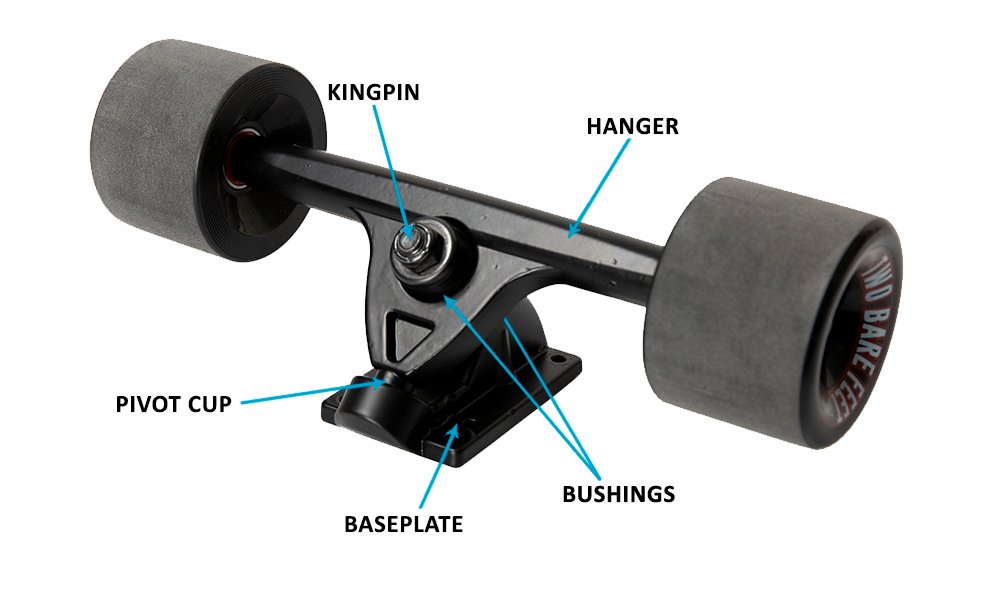
Trucks are the metal parts that attach the wheels to the board. They play a big role in how the board turns and feels. Different boards use different types of trucks. Understanding the main truck types helps you choose the right setup. Here is a simple look at skateboard and longboard trucks.
Skateboard Trucks
Skateboard trucks are smaller and tighter. They are designed for tricks and fast turns on smooth surfaces. The kingpin, the bolt in the middle, faces inward. This is called a traditional kingpin truck. It gives good control for street and park skating.
These trucks are usually narrower to fit the smaller width of skateboard decks. They are stiff to support jumps and flips. Skateboard trucks do not allow very wide turns but offer quick response. This makes them perfect for technical skating.
Longboard Trucks
Longboard trucks are bigger and wider than skateboard trucks. They use a reverse kingpin design. The kingpin faces outward, which helps with smooth, wide turns. This design improves stability at high speeds.
These trucks are softer and more flexible. They allow the board to carve easily, like a surfboard. The wider base and hanger help keep balance on rough or steep terrain. Longboard trucks are made for cruising and downhill riding, not tricks.
Design Differences
Longboard trucks and skateboard trucks differ mainly in design. These differences affect how each board handles and performs. Understanding these design aspects helps you choose the right trucks for your ride. The main areas to focus on are kingpin orientation, truck width, and baseplate mounting.
Kingpin Orientation
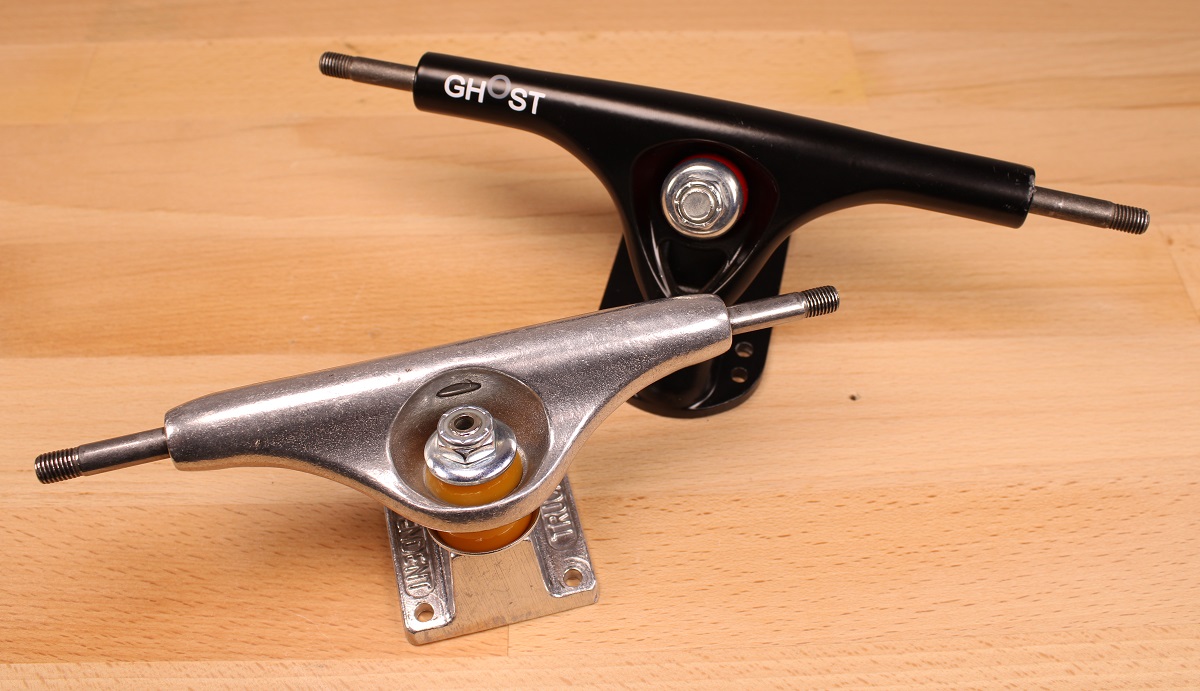
Longboard trucks usually have a reverse kingpin design. This means the kingpin faces outward, away from the board’s center. It allows for easier turning and smoother carving. Skateboard trucks use a traditional kingpin, which points inward. This setup gives more stability for tricks and quick turns.
Truck Width
Longboard trucks are wider than skateboard trucks. The extra width supports larger wheels and provides stability at high speeds. Skateboard trucks are narrower to fit smaller decks and allow tight turns. Using the wrong width can cause problems like wheel bite or poor control.
Baseplate And Mounting
The baseplate on longboard trucks is often angled to improve the turning radius. It also uses different mounting hole patterns. Skateboard trucks have a flat baseplate with standard mounting holes. This difference means you cannot always swap trucks without drilling new holes or using risers.
Performance Impact
The performance of longboard trucks and skateboard trucks varies significantly. Each type affects how the board handles, turns, and feels at different speeds. Understanding these differences helps riders choose the right trucks for their style and needs.
Turning And Carving
Longboard trucks use a reverse kingpin design. This design allows deeper and smoother turns. It makes carving easier and more fluid. Skateboard trucks have a traditional kingpin. They offer quicker, sharper turns but less smooth carving. Longboard trucks are better for wide, flowing turns. Skateboard trucks suit tight, quick maneuvers.
Stability And Speed
Longboard trucks provide more stability at higher speeds. Their wider base and angled kingpin help keep the board steady. This makes longboarding safer on downhill rides. Skateboard trucks are narrower and less stable at speed. They focus more on agility and control for tricks. Riders going fast prefer longboard trucks for balance.
Trick Compatibility
Skateboard trucks excel at trick performance. Their shape and size support ollies, flips, and grinds. Longboard trucks are larger and heavier. This makes technical tricks difficult. They do not pop as easily off the ground. Trick riders choose skateboard trucks for better control and response. Longboard trucks suit cruising rather than tricks.
Mixing Trucks And Decks
Mixing trucks and decks can change how your board feels and rides. Many riders try putting longboard trucks on skateboard decks or skateboard trucks on longboard decks. Each mix creates unique riding styles and challenges. Understanding these combos helps you pick the right setup for your needs.
Longboard Trucks On Skateboard Decks
Longboard trucks are usually wider and have a reverse kingpin design. Installing them on a skateboard deck can offer smoother rides on rough surfaces. The larger wheels roll over cracks more easily. This setup suits cruising and carving rather than tricks.
Wide trucks can cause wheel bite on narrow decks. Wheel bite happens when wheels hit the deck during sharp turns. It can stop you suddenly and cause falls. You might need riser pads or a wider deck to avoid this problem. Also, longboard trucks may require drilling new holes to fit a skateboard deck.
Skateboard Trucks On Longboard Decks
Skateboard trucks are narrower with a traditional kingpin design. Putting them on a longboard deck can make the board less stable at high speeds. The smaller wheels common with skateboard trucks do not roll over rough surfaces as smoothly.
This setup suits riders who want to perform tricks on a longer deck. It can also give a tighter turning radius. But the trade-off is less smoothness and stability. Make sure the truck width matches the deck width for better control and safety.
Pros And Cons
Choosing between longboard trucks and skateboard trucks affects your ride significantly. Each type offers unique benefits and drawbacks. Understanding these pros and cons helps you pick the right setup for your style.
Advantages Of Using Longboard Trucks On Skateboards
Longboard trucks provide smooth and stable rides. Their wider base offers better balance at higher speeds. These trucks are great for cruising and carving. They absorb bumps and cracks well, which is perfect for rough surfaces. The reverse kingpin design allows for sharper and easier turns. Riders enjoy a more fluid and relaxed style with longboard trucks on skateboards.
Challenges And Limitations
Longboard trucks are wider, which can cause wheel bite on standard skateboard decks. This makes sharp turns risky and can stop your ride suddenly. Most skateboard decks do not have mounting holes for longboard trucks, needing extra drilling. Drilling may damage the deck and reduce its strength. These trucks are less suitable for tricks like ollies or flips due to their design. Stability in technical moves often suffers with longboard trucks on skateboards.
Avoiding Common Issues
Using longboard trucks on a skateboard or mixing different truck types can cause some common problems. Understanding these issues helps you avoid damage and unsafe rides. Small adjustments make a big difference in performance and safety. Here are key ways to handle these problems.
Wheel Bite Solutions
Wheel bite happens when wheels hit the deck during turns. It can stop your ride suddenly and cause falls. To reduce wheel bite, try softer bushings that allow smoother turns. Choose smaller wheels or wheels with a rounded edge. Raising the deck slightly with risers also creates more space between the wheels and deck.
Mounting Adjustments
Longboard trucks often have different mounting hole patterns. Skateboard decks may not fit them perfectly. Drilling new holes can weaken the deck and cause cracks. Use trucks that match your deck’s mounting style. If needed, use adapter plates to avoid drilling and keep the deck strong.
Risers And Spacers
Risers add height between trucks and the deck. They help prevent wheel bite by increasing clearance. Spacers fit inside the truck’s axle to keep wheels tight and aligned. Using the right risers and spacers improves stability and ride quality. Check sizes carefully to match your trucks and wheels for the best fit.
Best Use Cases
Choosing the right trucks affects your ride and performance. Each truck type fits specific skating styles and terrains. Understanding the best use cases helps you pick trucks that match your needs. Longboard trucks and skateboard trucks differ in design and function, making them better suited for particular setups.
Cruiser And Carver Setups
Longboard trucks work great for cruising and carving. They have a reverse kingpin design for smooth turns and stability. These trucks handle rough roads better than skateboard trucks. Larger wheels on longboard trucks roll over cracks easily. Carvers enjoy sharp, fluid turns with longboard trucks. Using them on a skateboard deck can create a fun, surf-like ride. However, wide trucks may cause wheel bite on narrow decks. Adding risers can prevent this problem. Cruiser setups benefit from the comfort and control of longboard trucks.
Technical Trick Setups
Skateboard trucks excel in technical tricks and street skating. Their traditional kingpin design offers solid control and quick response. Skateboard trucks are narrower, allowing flip tricks and grinds with ease. They fit well on standard skateboard decks without modifications. Longboard trucks are not ideal for tricks due to their width and turning radius. The risk of wheel bite and slower response makes tricks harder. For technical skating, skateboard trucks provide better performance and reliability. This setup suits ramps, ledges, and urban spots perfectly.
Choosing The Right Setup
Choosing the right setup is key for a smooth ride on any board. The trucks, wheels, and board must work well together. This balance helps with control, stability, and comfort. Different setups suit different riding styles. Understanding the differences between longboard and skateboard trucks helps pick the best fit.
Each part affects how the board handles turns and speed. Matching parts correctly improves performance and reduces problems like wheel bite or instability. Let’s explore the main factors to consider when choosing your truck setup.
Board Width And Truck Size Matching
Truck size should match the board width for stability. Narrow trucks on a wide board feel loose and unstable. Wide trucks on a narrow board can cause wheel bite. Measure your board width and pick trucks that fit within that range. This ensures even weight distribution and better control.
Rkp Vs Tkp Trucks
Reverse Kingpin (RKP) trucks are common on longboards. They offer smooth turning and stability at high speeds. Traditional Kingpin (TKP) trucks are standard on skateboards. They are better for tricks and quick turns. Choose RKP for cruising and carving. Pick TKP for street skating and tricks.
Wheel Size Considerations
Wheel size affects ride smoothness and speed. Larger wheels roll over cracks and bumps easily. They fit well with longboard trucks. Smaller wheels suit street skateboards and technical tricks. Check wheel clearance to avoid wheel bite. Use risers if needed to create more space.
Frequently Asked Questions
Do Longboards And Skateboards Use The Same Trucks?
Longboards and skateboards use different trucks. Longboards have wider, reverse kingpin trucks for stability. Skateboards use narrower, traditional kingpin trucks for tricks. Using longboard trucks on skateboards may cause wheel bite and fit issues. Choose trucks based on board type and riding style for best performance.
Can You Put Longboard Trucks On A Skateboard Deck?
Yes, you can put longboard trucks on a skateboard deck. They offer smooth cruising but may cause wheel bite and need wider decks or risers. Not ideal for tricks due to stability and mounting hole issues. Choose narrow RKP trucks and test fit carefully for best results.
Do Any Trucks Fit Any Board?
Not all trucks fit every board. Choose a truck width matching your board’s width for proper performance and safety.
Can You Use Skateboard Trucks On Roller Skates?
Skateboard trucks do not fit roller skates properly due to different mounting systems and wheel configurations. Use trucks designed specifically for roller skates for safety and performance.
Conclusion
Longboard trucks and skateboard trucks have key differences. They serve different riding styles and needs. Longboard trucks offer more stability for cruising and carving. Skateboard trucks suit tricks and tight turns better. Mixing them can work, but may cause issues like wheel bite.
Choose trucks based on your board type and riding goals. This ensures safer, smoother rides and better control. Understanding these differences helps you pick the right setup. Enjoy your ride with the right trucks under your feet.

