
Ready to feel the rush of wind on your face as you speed down a hill on your longboard? Downhill longboarding isn’t just about going fast—it’s about mastering control, balance, and technique to ride confidently and safely.
Whether you’re new to the sport or looking to sharpen your skills, this guide will walk you through everything you need to know to longboard downhill like a pro. From choosing the right gear to learning essential braking and turning moves, you’ll discover how to take on slopes with ease and excitement.
Keep reading, and get ready to conquer those hills with confidence!
Choosing The Right Longboard
Choosing the right longboard is key to downhill riding. It affects control, speed, and safety. Different parts of the board suit different styles and terrains. Knowing what to pick helps you enjoy the ride and stay confident on steep hills.
Deck Shape And Size
The deck is the longboard’s main platform. For downhill, a longer deck gives more stability at high speeds. Decks between 38 and 42 inches work well. A wider deck helps your feet stay firm. Drop-through or drop-down shapes lower your center of gravity. This adds balance and control. Some prefer symmetrical decks for easier switching of stance. Pick a shape that feels natural and steady.
Wheel Type And Hardness
Wheels affect grip and speed on the road. Soft wheels, around 78A to 85A hardness, grip better on rough surfaces. They help you stay in control on sharp turns. Harder wheels, above 85A, roll faster but can slip more on corners. Choose bigger wheels, about 70mm or more, for smooth rides over cracks. Look for wheels made of quality urethane for durability and performance.
Truck Setup
Trucks connect the wheels to the deck and allow turning. For downhill, trucks should be tight enough to keep stability at speed. Loose trucks make the board turn too easily and can feel shaky. Reverse kingpin trucks are popular for downhill longboards. They offer better control and smooth turning. Adjust the tightness of bushings to find your comfort zone. Strong trucks reduce wobbling on fast descents.

Credit: longboardsusa.com
Essential Safety Gear
Riding downhill on a longboard offers a thrilling experience. Safety gear is crucial to protect yourself from injuries. Wearing the right gear boosts confidence and keeps you secure on steep slopes. It reduces the risk of serious harm during falls or crashes.
Helmet Selection
Choose a helmet made for downhill longboarding. It must cover your whole head, including the back. Look for a helmet that fits snugly and feels comfortable. A certified helmet meets safety standards and offers strong protection. Replace your helmet after any big impact.
Pads And Protective Clothing
Wear knee pads and elbow pads to shield joints from scrapes and bruises. Thick, durable pads absorb shock and prevent cuts. Protective clothing like long sleeves and pants adds another layer of defense. Use gear made from tough materials that resist tearing.
Gloves And Slide Protection
Gloves protect your hands during slides and falls. Slide gloves have hard pucks on the palms to help control speed. They allow you to safely place your hands on the ground. Good gloves reduce hand injuries and improve your downhill control.
Basic Riding Stance And Balance
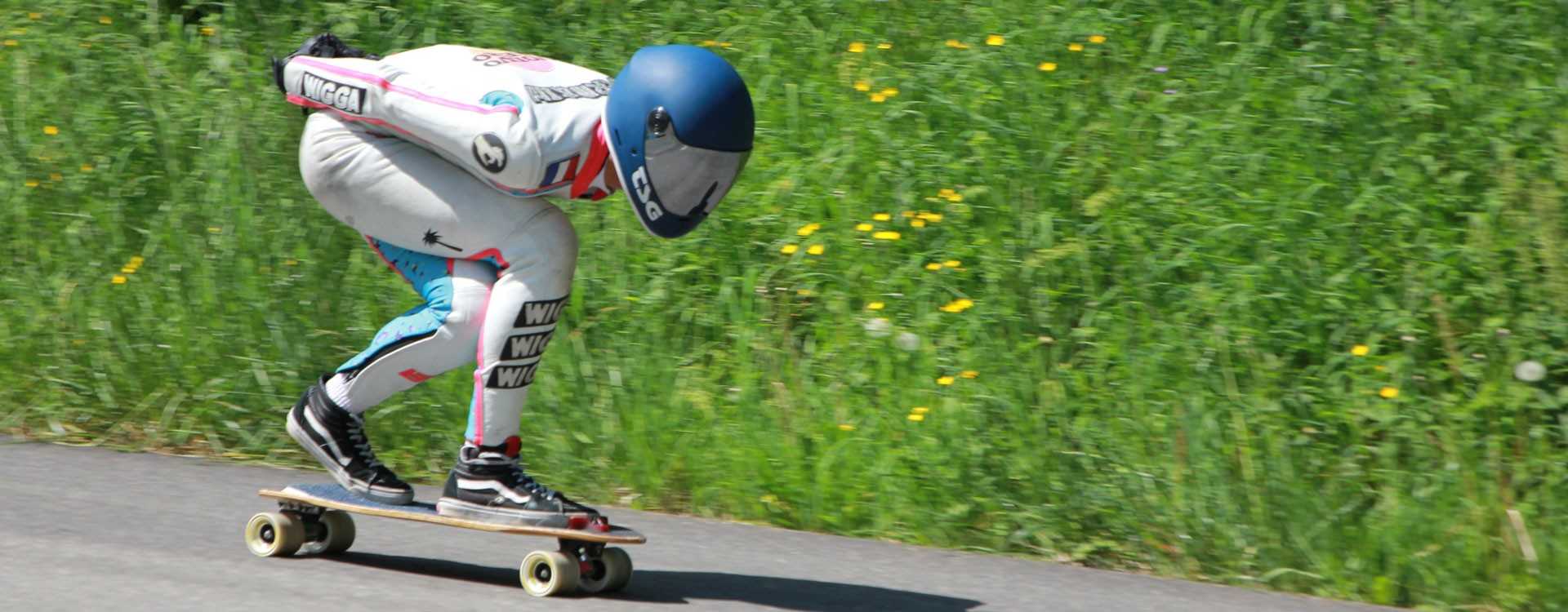
Downhill longboarding demands a solid riding stance and good balance. These basics help control speed and direction. A stable stance boosts confidence on steep slopes. Proper balance prevents falls and improves turning ability. Focus on foot placement, knee bend, and weight distribution.
Foot Placement
Place your front foot near the front bolts of the board. The toes should point slightly forward. Your back foot goes across the board, near the rear bolts. Keep feet firm but relaxed. This stance offers control and quick response. Avoid placing feet too close or too far apart.
Knee Bend And Body Position
Bend your knees slightly to absorb bumps and shocks. Keep your body low to the board. Lean forward a bit to stay balanced over the wheels. Avoid standing straight up. A low center of gravity enhances stability. This position helps you react faster on turns and stops.
Centering Your Weight
Distribute your weight evenly between both feet. Keep your weight over the middle of the board. Avoid leaning too much to one side. Centered weight improves control and balance. Shift weight smoothly when turning or braking. This technique reduces the risk of slipping or losing control.
Speed Control Techniques
Controlling speed is crucial for safe and enjoyable downhill longboarding. Without proper techniques, riders risk losing balance or crashing. Practicing different speed control methods helps maintain stability and confidence on varied terrains. Here are effective ways to manage your speed while riding downhill.
Foot Braking
Foot braking is the simplest way to slow down. Place your weight on the front foot and keep your balance low. Lift your back foot gently and drag it on the ground behind you. The friction slows the board gradually. It works best on gentle slopes or when you need small speed adjustments. Always keep your foot relaxed to avoid sudden stops.
Sliding To Slow Down
Sliding is a more advanced technique to reduce speed quickly. Shift your weight and turn the board sideways to break traction. This causes the wheels to slide and slow you down. It requires practice to control the slide without falling. Sliding is useful on steep hills or in emergencies. Start practicing on flat surfaces before trying it downhill.
Using Terrain To Manage Speed
Natural features of the terrain help control your speed. Use uphill sections or rough patches to slow down naturally. Look for curves or bumps that reduce momentum. Riding close to the edge of the road can also decrease speed. Planning your route and reading the terrain improves your speed control and safety.
Mastering Turns And Carving
Turning and carving are vital skills for downhill longboarding. They let you control speed and navigate corners safely. Smooth, confident turns keep you balanced and in control. Practice these techniques to ride hills with ease and fun.
Leaning And Weight Shifting
Lean your body into the turn to guide your board. Shift your weight to the toes or heels, depending on the direction. Keep your knees bent for better balance. Look in the direction you want to go. This helps your body follow the turn naturally. Avoid stiff movements to maintain flow and control.
Truck Tightness Adjustments
Adjust your trucks to change how your board turns. Looser trucks allow easier carving and sharper turns. Tighter trucks offer more stability at high speeds but harder turns. Find a balance that suits your style and the hill’s steepness. Test different settings on flat ground before downhill rides.
Smooth Vs. Sharp Turns
Smooth turns are wide and gradual, helping you maintain speed. Use them on long curves or gentle slopes. Sharp turns are quick and tight, useful for sudden changes or avoiding obstacles. Enter sharp turns slowly and lean more to keep control. Practice both to handle any downhill situation safely.

Advanced Sliding Methods
Sliding is a key skill for downhill longboarding. It helps control speed and maintain balance on steep slopes. Advanced sliding methods improve your safety and confidence. These techniques let you manage your speed without losing control. Practice these slides carefully on smooth, open roads before trying faster hills.
Basic Slides For Beginners
Start with simple slides to get a feel for board control. Shift your weight to the back foot and push the board sideways. Keep your knees bent to absorb shocks and stay balanced. Look in the direction you want to slide. This helps your body follow the movement smoothly. Practice these slides at low speeds until you feel steady.
Power Slides For Speed Control
Power slides stop the board quickly by forcing the wheels to lose grip. To perform a power slide, crouch low and turn the board sharply sideways. Use your shoulders to lead the motion and push the board with your feet. This slide requires timing and balance. It works well for slowing down fast runs on downhill roads. Start practicing on gentle slopes to build confidence.
Stopping Safely With Slides
Sliding to stop is safer than sudden braking. Begin by reducing speed with small slides. Then increase slide length to slow down more. Keep your body low and centered over the board. Always look ahead to avoid obstacles. Use your arms for balance as you slide to a stop. This method reduces the risk of falls on steep hills.
Hill Scouting And Route Planning
Hill scouting and route planning are crucial steps before longboarding downhill. They help you stay safe and enjoy the ride. Taking time to study the hill and plan your path makes a big difference. It prepares you for challenges and helps avoid accidents.
Careful observation of the hill surface, turns, and surroundings is needed. Plan your route to match your skill level and speed control. Knowing the hill well builds confidence and reduces risks.
Identifying Hazards
Look closely for cracks, loose gravel, and wet spots on the road. These hazards can cause you to lose control or fall. Check for sharp turns and uneven pavement that may surprise you. Watch for traffic, pedestrians, and animals that might cross your path. Spotting hazards early lets you avoid or prepare for them.
Choosing Suitable Hills
Select hills with smooth pavement and a steady slope. Avoid hills that are too steep or too long for your skill. Start with smaller hills to build confidence and control. Choose quiet roads with little traffic to reduce danger. A good hill feels safe and matches your experience level.
Planning Exit Strategies
Always know where you will stop or slow down at the bottom. Identify safe places to exit the hill if you lose control. Look for wide shoulders or flat areas to step off if needed. Plan how to slow down using foot braking or sliding before reaching hazards. Having an exit plan keeps you calm and ready for anything.
Credit: fulkit-skateboards.com
Building Confidence And Practicing
Building confidence is key to enjoying downhill longboarding safely. Practice helps you control speed, balance, and turns better. Gradual training reduces fear and increases your skills. Start slow, focus on technique, and keep improving step by step.
Warm-up Drills
Begin every session with warm-up drills. Stretch your legs, ankles, and arms to avoid injuries. Practice balancing on your board while standing still. Try gentle turns and small movements to get comfortable. These drills prepare your body and mind for downhill riding.
Incremental Speed Increases
Increase your speed gradually during practice. Start on small hills with low speed. As you feel stable, move to steeper slopes or faster runs. Controlling speed step by step builds trust in your abilities. This method keeps you safe and reduces panic.
Joining Local Communities
Find local longboarding groups or clubs. Riding with others teaches new skills and safety tips. Community members share advice and support each other. Group practice boosts motivation and confidence. Learning with peers makes downhill longboarding more fun and less scary.
Handling Emergencies And Falls
Falling and emergencies are part of downhill longboarding. Knowing how to handle these situations keeps you safer. Preparation helps reduce injuries and calm your mind. Practice these skills before hitting steep hills.
Safe Falling Techniques
Try to relax your body when falling. Tense muscles increase injury risk. Avoid using your hands to stop the fall; this can cause wrist injuries. Instead, aim to roll on your side or back. Keep your chin tucked to protect your head. Wear protective gear like helmets, knee pads, and gloves. These reduce harm and build confidence.
Recovering After A Fall
Stay calm and breathe deeply. Check your body for pain or bleeding. Move slowly to avoid dizziness or shock. Clear the area before standing up. If you feel unsure or weak, stay seated and rest. Signal for help if others are nearby. Clean any wounds with water and cover them to prevent infection. Dress properly to avoid cold or heat exposure.
When To Seek Medical Attention
Seek medical help for strong pain or swelling. Head injuries or loss of consciousness need urgent care. Watch for numbness, weakness, or difficulty moving. Deep cuts or heavy bleeding require professional treatment. Persistent dizziness or vomiting after a fall is a warning sign. Better safe than sorry—get checked by a doctor.
Frequently Asked Questions
Are Longboards Good For Downhill?
Longboards are ideal for downhill due to their wide wheelbase and deck, offering stability and control at high speeds.
How Do Downhill Longboarders Stop?
Downhill longboarders stop by foot braking or sliding. They shift weight forward, lower their center of gravity, and drag their back foot to slow down safely.
How Fast Do Longboarders Go Downhill?
Longboarders can reach speeds up to 70 mph downhill. Typical speeds range between 20 to 40 mph for safety and control.
How To Slow Down On A Longboard For Beginners?
Slow down on a longboard by foot braking: gently drag your back foot’s heel on the ground. Lower your center of gravity for balance. Practice controlled sliding to reduce speed safely.
Conclusion
Longboarding downhill takes practice and patience. Always wear protective gear for safety. Start slow, learn to control your speed. Use your body to balance and steer smoothly. Know the hill and watch for obstacles ahead. Keep your knees bent to absorb bumps.
With time, confidence will grow naturally. Enjoy the thrill, but respect your limits. Stay focused and have fun riding downhill.

