
Are you ready to get your longboard rolling just right? One key step you can’t overlook is how you mount your longboard trucks.
It might seem simple, but the way your trucks go on the board can make all the difference in how smoothly you carve, how stable you feel at speed, and how much control you have on every turn. If you’ve ever wondered, “Which way do my trucks face?
” or “How do longboard trucks go on properly? ”—you’re in the right place. In this guide, you’ll discover the easy-to-follow tips that ensure your trucks are set up perfectly for a smooth, safe, and thrilling ride every time. Stick with me, and you’ll know exactly how to get your longboard trucks dialed in like a pro!
Choosing The Right Trucks
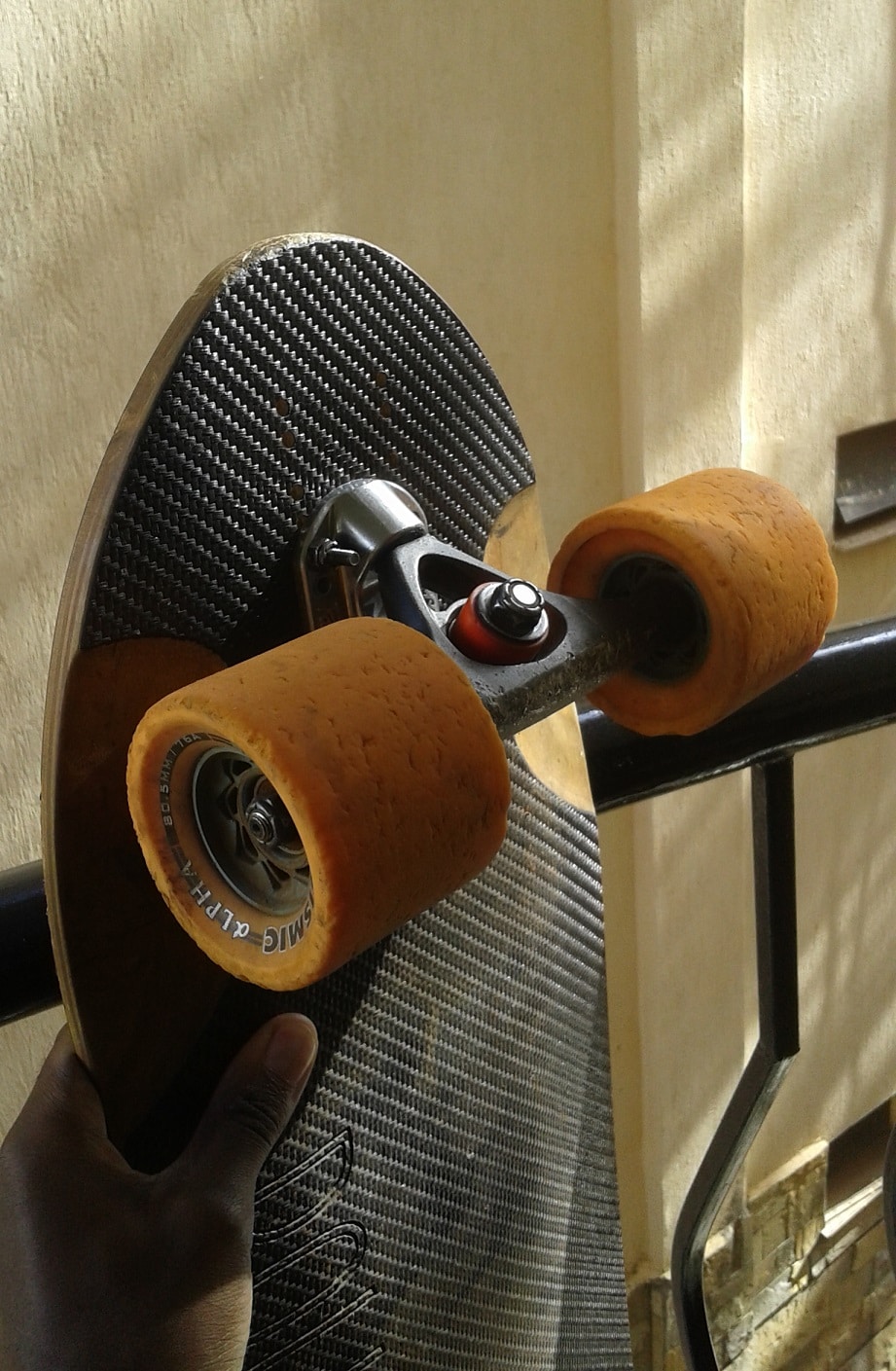
Choosing the right trucks for your longboard is essential for a smooth ride. Trucks affect how your board turns, balances, and handles speed. Picking the correct type depends on your riding style and the terrain you will ride on. Understanding the main truck types helps you make the best choice for your longboard setup.
Reverse Kingpin Vs Traditional Kingpin
Reverse Kingpin (RKP) trucks have the kingpin bolt facing outward, away from the board center. This design offers more stability and better turning ability at high speeds. Traditional Kingpin (TKP) trucks have the kingpin facing inward and are more common on skateboards for tricks. RKP trucks are the standard for longboards due to their smooth carving and control.
Benefits Of Reverse Kingpin Trucks
RKP trucks provide a wider turning radius. They allow you to lean deeper into turns without losing control. These trucks absorb road vibrations better, making rides more comfortable. They are ideal for cruising, downhill, and freeriding. The design offers stability at faster speeds, which helps prevent wobbling.
When To Use Traditional Kingpin Trucks
Traditional Kingpin trucks suit riders who want to perform tricks or grinds. They are smaller and less responsive to sharp turns. TKP trucks work well on smaller boards or cruisers used for short distances. They provide a stable platform but lack the smooth carving of RKP trucks. Use TKP trucks if your focus is street skating or technical tricks.
Identifying Truck Orientation
Understanding how to identify the orientation of your longboard trucks is key for proper setup. Correct truck placement affects your ride’s stability and turning ability. This section breaks down the basics of truck orientation. Clear steps help you install trucks the right way for the best performance.
Locating The Kingpin Direction
The kingpin is the large bolt in the truck. On longboards, the kingpin points outward, away from the board’s center. This setup is called Reverse Kingpin (RKP). It offers more control and smoother turns. Check that the kingpin faces the edges of the longboard, not the middle. This orientation improves stability, especially at higher speeds.
Positioning The Hanger And Pivot
The hanger is the metal part holding the wheels. Its pivot point must face the nose or tail of the board. The pivot fits into the baseplate and allows turning. Proper pivot placement ensures the truck can lean and turn correctly. The bushing and nut side should face outward, matching the kingpin direction. This setup promotes better carving and balance.
Difference In Setup For Longboards Vs Skateboards
Longboards usually use Reverse Kingpin trucks. Skateboards often use Traditional Kingpin trucks, with kingpins facing inward. RKP trucks give longboards more lean and control at speed. TKP trucks suit tricks and grinds but limit turning. Knowing this difference helps avoid common setup mistakes. Use RKP trucks for cruising and downhill rides for best results.
Preparing Your Longboard Deck
Preparing your longboard deck is an important step before attaching the trucks. A well-prepared deck ensures a secure fit and better performance. It also protects your grip tape and wood from damage during installation.
Start by checking the deck for any dust or dirt. Clean it gently with a dry cloth. This helps the hardware stick well and prevents slipping. Next, identify the truck mounting holes on the deck. These holes guide where you will place your trucks.
Marking And Poking Holes In Grip Tape
Grip tape covers the top of your deck for traction. It can hide the mounting holes, making truck installation tricky. Use a marker to spot the holes under the grip tape. Mark each hole clearly.
Take a sharp tool like a screwdriver or pin. Carefully poke through the marked spots on the grip tape. Create small holes just big enough for the bolts. This prevents the grip tape from tearing when you insert the hardware.
Selecting Proper Hardware
Choose bolts and nuts that fit your deck’s holes. Common sizes are 1-inch or 1.25-inch bolts. Make sure the bolts are long enough to go through the deck and trucks.
Use washers under the nuts and bolts. Washers protect the wood and grip tape from damage. They also help keep the trucks firmly attached without wobbling.

Credit: originalskateboards.com
Mounting The Trucks
Mounting the trucks on your longboard is a crucial step in setting up your ride. Proper mounting ensures stability, control, and safety. The process involves aligning the baseplate, inserting bolts, and tightening the nuts securely. Each step builds the foundation for a smooth ride.
Follow the steps carefully to avoid loose trucks or uneven riding. Take your time to make sure everything fits perfectly before tightening fully.
Aligning Baseplate Over Holes
Place the truck’s baseplate directly over the mounting holes on the deck. Make sure the holes in the baseplate line up perfectly with the deck’s holes. The baseplate should sit flush against the board’s surface. This ensures the bolts will go through easily and the truck stays stable.
Inserting Bolts And Hand-Tightening Nuts
Insert bolts through the aligned holes from the top of the deck. Push them through the baseplate holes. Screw the nuts onto the bolts by hand at first. Hand tightening helps prevent cross-threading or damaging the bolts. Keep the nuts snug but not fully tight yet.
Tightening In An X Pattern For Security
Use a skate tool or wrench to tighten the nuts fully. Tighten the nuts in an X pattern across the baseplate. This means tightening one nut, then the opposite one next, and so on. This method keeps the pressure even and prevents warping the deck or baseplate. Make sure the trucks are securely fastened but avoid over-tightening to protect your board.
Adjusting Truck Tightness
Adjusting the tightness of your longboard trucks is key to a smooth ride. This adjustment affects how easily your board turns and how stable it feels at speed. Tight trucks give more control but less turn. Loose trucks allow quick turns but can feel wobbly. Finding the right balance improves both safety and fun.
Finding The Right Bushing Compression
Bushings sit inside the trucks and control how they move. Compressing them more makes the trucks tighter. Turn the kingpin nut clockwise to tighten. This squeezes the bushings and slows turns.
Loosening the kingpin nut reduces compression. Trucks become looser and turn more easily. Test small changes to see what feels best. Your weight and riding style affect the ideal tightness.
Balancing Stability And Maneuverability
Stable trucks keep the board steady at high speeds. Tighten the trucks for downhill or fast riding. This reduces wobbling and increases confidence.
For cruising or carving, looser trucks help. They let you lean deeper and carve sharper. Adjust tightness gradually to avoid sudden changes in handling.
Check your trucks before each ride. Proper tightness keeps your longboard safe and fun.
Fine-tuning For Riding Style
Fine-tuning longboard trucks is key to matching your riding style. Adjusting trucks changes how your board feels and performs. Each style demands a different setup for the best experience.
Small changes to bushings, tightness, and truck angle affect control and comfort. Take time to test and find your ideal balance.
Set For Cruising And Carving
For smooth cruising, use softer bushings. They allow easy turning and a relaxed ride. Keep trucks loose but not too loose to avoid wobble.
Reverse kingpin trucks with a wider hanger angle help in carving. This setup lets you lean deeply and make wide, flowing turns.
Set For Downhill Stability
Downhill riding needs stability at high speeds. Choose harder bushings and tighten your trucks firmly. This reduces wobble and improves control.
Lowering the truck baseplate angle also boosts stability. Aim for a setup that feels solid and responsive on fast descents.
Set Up for Freeride And Tricks
Freeride and tricks require a balance of looseness and support. Medium-hard bushings work well here. They offer good turning with enough resistance.
Keep trucks moderately tight to avoid unwanted movement during slides. This setup helps with control when doing spins and slides.
Common Mistakes To Avoid
Installing longboard trucks might seem easy, but many beginners make common errors. These mistakes affect your board’s stability, turning, and safety. Avoiding them ensures a smooth ride and better control. Here are key errors to watch for during installation.
Incorrect Kingpin Orientation
Kingpins must face outward, away from the board’s center. This setup gives the best stability and turning ability. If the kingpins face inward, your board becomes unstable and harder to control. Always check the kingpin direction before tightening the trucks.
Overtightening Or Loose Hardware
Too-tight trucks reduce turning and make riding stiff. Loose trucks cause wobbling and unsafe rides. Find a balance by tightening the hardware just enough to hold trucks firmly without restricting movement. Regularly check bolts to keep your setup safe and smooth.
Ignoring Bushing Adjustments
Bushings control how your trucks turn and respond. Ignoring their adjustment leads to poor handling or harsh rides. Adjust the bushings to match your weight and riding style. Softer bushings allow easier turns, while harder ones provide more stability at speed.
Maintenance Tips
Keeping your longboard trucks in good shape ensures smooth rides and better control. Simple maintenance helps avoid problems and extends your gear’s life. Follow these basic tips to keep your trucks working well and ready for every session.
Regularly Checking Hardware Tightness
Loose nuts and bolts can cause instability and noise. Use a skate tool or wrench to check all hardware often. Tighten the kingpin nut, axle nuts, and baseplate bolts. Make sure not to overtighten, as it can limit your board’s movement. Check every ride for the best safety and performance.
Replacing Worn Bushings
Bushings allow your trucks to turn smoothly. Over time, they get cracked or squished and lose their shape. Replace bushings if you notice reduced turning ability or unusual noises. Choose bushings that match your weight and riding style for better control. Changing bushings is easy and improves your ride instantly.
Cleaning And Lubricating Pivot Areas
Dirt and dust build up in the pivot cup and the hanger pivot. This buildup can cause squeaks and rough turns. Remove the hanger from the baseplate to clean these parts. Use a cloth and mild cleaner to wipe away grime. Apply a small amount of lubricant to keep the pivot moving freely. Regular cleaning keeps your trucks quiet and smooth.
Credit: www.reddit.com
Frequently Asked Questions
How do Trucks Go On A Longboard?
Longboard trucks use Reverse Kingpin (RKP) style, with kingpins facing outward, away from the board’s center. The hanger’s pivot points toward the board’s nose and tail. This setup offers better stability, carving, and control at high speeds compared to traditional inward-facing kingpin trucks.
How To Put Trucks On A Longboard?
Place Reverse Kingpin trucks on the longboard with kingpins facing outward. Align baseplates over mounting holes, insert bolts, then tighten nuts securely in an X pattern. Ensure hangers’ pivots point toward the board’s nose and tail for proper turning and stability.
How Do The Trucks Go On A Skateboard?
Trucks mount under the skateboard deck with the kingpins facing inward, toward each other. Align baseplates over holes, then tighten bolts securely for proper turning and stability.
How Do Trucks Go On A Board?
To mount longboard trucks, place the baseplate over board holes with kingpins facing outward. Tighten bolts securely in an X pattern. Ensure the hanger’s pivot points face the board’s nose and tail for stable carving and turning.
Conclusion
Properly installing longboard trucks ensures a smooth ride and better control. Remember, Reverse Kingpin trucks face outward for stability and turning. Align the hanger’s pivot toward the board’s ends for best performance. Tighten bolts evenly and check for snugness before riding.
A well-set truck setup improves carving, cruising, and downhill rides. Take your time and adjust as needed for comfort. This simple step helps you enjoy longboarding safely and confidently every time.

