
Have you ever wondered how much your longboard actually weighs? Knowing the weight of your longboard isn’t just a fun fact—it can change how you ride, how you carry it, and even how you choose your next board.
Whether you’re cruising through Austin’s streets or carving downhill, the weight affects your control, speed, and stability. You’ll discover what makes longboards heavier or lighter, how weight influences performance, and what to look for when picking the perfect board for your style.
Stick around, because understanding your longboard’s weight could be the key to taking your ride to the next level.

Longboard Weight Basics
Understanding the weight of a longboard helps riders choose the right board. Weight affects how the board feels and performs. It influences balance, control, and ease of carrying. Knowing the basics can improve your riding experience.
Longboards come in various weights depending on size, materials, and design. Weight also changes with the board’s purpose, like cruising or downhill racing. Let’s explore typical weight ranges and how longboards compare to skateboards.
Typical Weight Ranges
Most longboards weigh between 6 and 10 pounds (2.7 to 4.5 kg). Smaller longboards are closer to 6 pounds. Larger boards, especially those for downhill, can weigh up to 10 pounds or more.
Boards made from bamboo or carbon fiber tend to be lighter. Wood and fiberglass boards usually weigh more. Some riders add weights for stability in downhill riding. Weight affects how easy the board is to push and carry.
Weight Comparison With Skateboards
Skateboards are generally lighter than longboards. A typical skateboard weighs 4 to 6 pounds (1.8 to 2.7 kg). They are smaller and made for tricks, which require less weight. Longboards are bigger and built for smooth rides and speed.
The extra weight of a longboard gives more stability at high speeds. Skateboards’ lighter weight makes them easier to flip and maneuver. Choose your board weight based on the type of riding you want to do.
Materials And Construction
The weight of a longboard depends greatly on the materials used and how it is built. Different materials add different amounts of weight. The construction style also affects the final weight and performance. Understanding these factors helps you choose the right longboard for your needs.
Lightweight Materials
Bamboo is a popular lightweight material for longboards. It is strong and flexible, making boards easier to carry and maneuver. Carbon fiber is another light option. It is very strong but costs more. Some boards use foam cores to reduce weight further. These materials make the board quick and easy to control.
Heavier Materials
Traditional wood, like maple, adds more weight to a longboard. This wood is durable and common in many boards. Fiberglass layers often add extra weight but increase strength. These materials create a heavier board that feels more stable at high speeds. Heavier boards suit riders who want smooth rides and more control.
Impact Of Construction On Weight
Longboards can have different layers, shapes, and thicknesses. More layers usually mean a heavier board. The shape of the deck also changes the weight. For example, a drop-through deck may weigh less than a solid top deck. Construction techniques influence weight and how the board rides. Choose a design that fits your style and comfort.
Weight And Riding Style
The weight of a longboard greatly affects how it rides. Different riding styles need different board weights. Choosing the right weight helps improve control and comfort. This section breaks down how weight matches various styles.
Carving And Pumping Boards
Carving and pumping need light boards. A lighter longboard is easier to turn and maneuver. Riders can shift their weight quickly for smooth, flowing movements. These boards weigh less to boost agility and speed without pushing.
Downhill And High-speed Stability
Downhill riders prefer heavier longboards. More weight adds stability at high speeds. A heavy board feels solid on rough or steep terrain. It reduces vibrations and keeps the rider balanced during fast runs.
Rider Weight Considerations
Rider weight affects longboard choice, too. Heavier riders often choose heavier boards for better support. Lighter riders may want lighter boards for easier control. Matching board weight with rider weight improves safety and ride quality.
Credit: www.degree33surfboards.com
Additional Weight Factors
Longboard weight depends on many factors beyond the deck alone. Different styles and uses add extra weight. Knowing these additional weight factors helps choose the right board. These factors influence how the board feels and performs on the road.
Riders often add weight for specific riding styles like downhill or freeride. The total weight affects speed, control, and stability. Also, weight limits set by manufacturers impact how well the board works for each rider.
Added Weights For Downhill And Freeride
Downhill and freeride longboarding demand more control at high speeds. Riders sometimes add weights to their boards to improve stability. These weights help reduce vibrations and keep the board steady. Extra weight can also improve traction on steep slopes. Many riders use weighted foot stops or attach small weights to the trucks or deck. This addition makes the board feel more grounded during fast turns and slides.
However, added weight can make the board harder to carry and less responsive for tricks. Riders must balance weight and maneuverability depending on their style. The right amount of added weight varies from rider to rider.
Weight Limits And Board Performance
Every longboard has a recommended weight limit from the maker. Exceeding this limit affects the board’s performance and durability. Too much weight can cause the deck to flex too much or even crack. It can also damage the trucks and wheels faster. Staying within the weight limit ensures the board rides smoothly and lasts longer.
Riders heavier than the limit should choose sturdier boards built for more weight. Lighter riders might prefer lighter boards for better control and easier tricks. Knowing the weight limit helps pick the right board for safety and performance.
Measuring And Managing Weight
Measuring and managing the weight of your longboard is important for better control and comfort. Knowing the exact weight helps you choose the right board for your style. It also guides you in making changes to improve performance or stability. This section explains how to weigh your longboard and ways to adjust its weight effectively.
How To Weigh Your Longboard
Start by finding a reliable scale. A bathroom or luggage scale works well. Place the longboard carefully on the scale. Make sure it is balanced and fully supported. Read the weight displayed on the scale. For more accuracy, weigh the board multiple times and average the results. Note the weight in pounds or kilograms, depending on your scale.
If your scale is small, weigh the longboard in parts. Weigh the deck alone, then add the trucks and wheels separately. Add these numbers for the total weight. Record this number for future reference or comparison. Always weigh the board with all parts attached for real-world accuracy.
Modifying Weight For Performance
Adjusting your longboard’s weight can change how it rides. To make it lighter, swap heavy parts like trucks or wheels for lighter materials. Carbon fiber and aluminum parts reduce weight well. A lighter board responds faster and is easier to carry.
Adding weight can improve stability, especially for downhill riding. Attach small weights to the board’s underside or use heavier trucks. This helps the board stay steady at high speeds. Balance added weight evenly to avoid affecting control. Experiment with small changes and test how the board feels.
Keep in mind, extreme weight changes can affect durability. Make sure all parts fit well and stay secure. Regularly check your board to ensure safety and performance.

Credit: usedsurf.com
Choosing The Right Weight
Choosing the right weight for your longboard affects your riding experience. The board’s weight influences control, speed, and stability. Picking a weight that fits your needs helps you enjoy longboarding more. Understanding how weight matches your style is key.
Matching Weight To Purpose
Lightweight longboards respond quickly to turns. They work well for carving and cruising in the city. Heavier boards offer better stability at high speeds. They suit downhill racing and long-distance rides. Think about what you want to do before choosing weight. A board too heavy or too light can limit your skills.
Checking Manufacturer Specifications
Manufacturers list the weight of each longboard model. Check these details before buying. They help you compare boards and find the best fit. Pay attention to materials used, as they affect weight. Bamboo and carbon fiber make lighter boards. Wood and fiberglass add more weight. Also, note the weight limit for riders. Staying within this limit keeps the board safe and durable.
Frequently Asked Questions
How Much Do Longboards Weigh?
Longboards typically weigh between 6 to 10 pounds (2.7 to 4.5 kg). Weight varies by materials and design.
Are Longboards Heavier Than Skateboards?
Longboards generally weigh more than skateboards due to their larger size and materials. This extra weight offers stability but reduces trick performance.
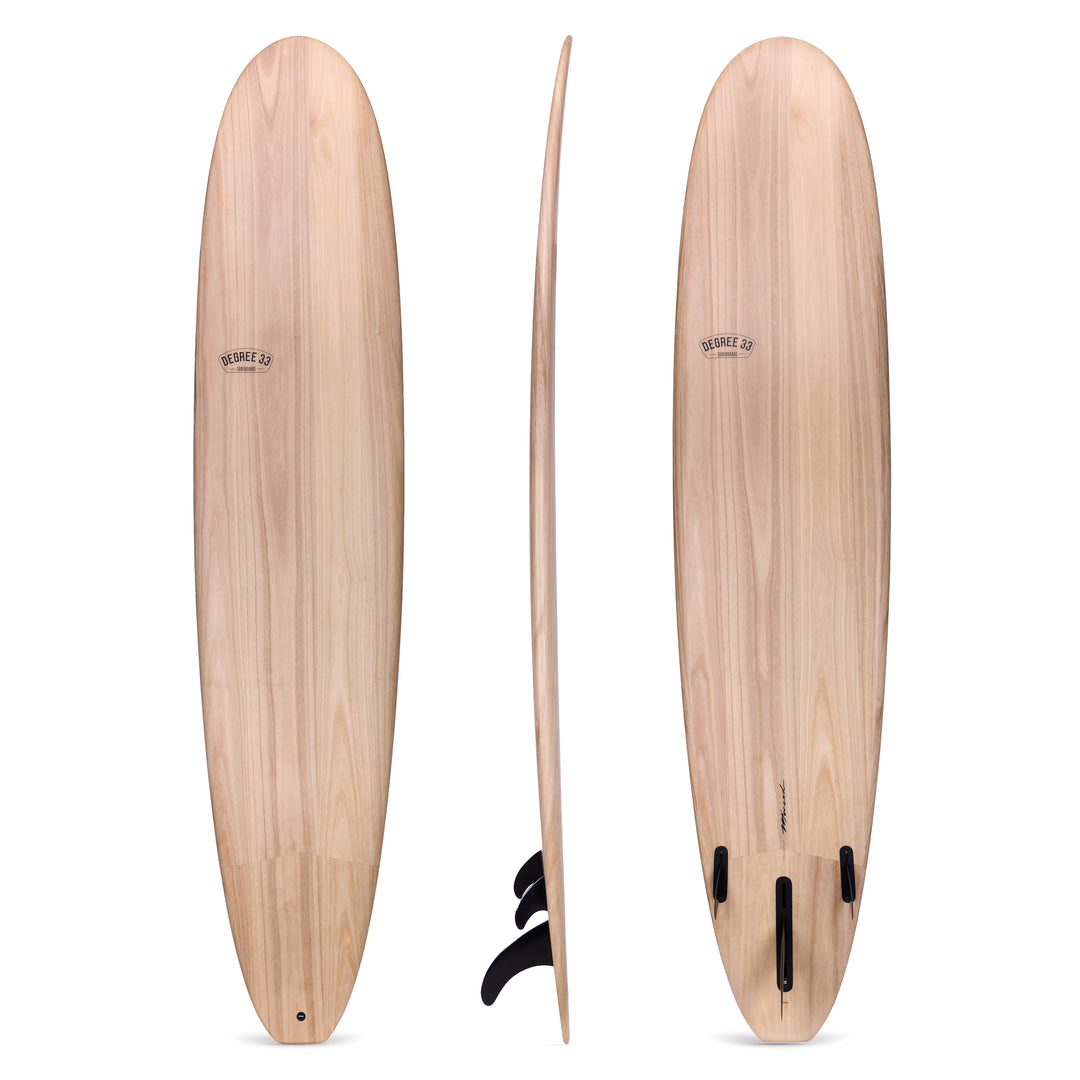
How Heavy Is an 8ft Surfboard?
An 8-foot surfboard typically weighs between 15 to 25 pounds. Weight varies by materials and design.
What Is Too Heavy For A Longboard?
A longboard is too heavy if it exceeds the rider’s weight limit, affecting stability and board responsiveness. Check manufacturer specs.
Conclusion
Longboards come in various weights depending on size and materials. Lighter boards suit quick turns and tricks. Heavier boards offer better stability for fast rides. Knowing your riding style helps choose the right weight. Always check the manufacturer’s details before buying.
Balance weight with your comfort and control needs. This ensures a safer and more enjoyable ride every time.

