
Are you ready to take your longboard experience to the next level by making your own wheels? Crafting longboard wheels might sound complicated, but with the right steps and materials, you can create wheels tailored perfectly to your riding style.
Whether you want a smoother ride, better grip, or just the satisfaction of building something yourself, this guide will walk you through the process from start to finish. Keep reading to discover how you can turn raw materials into durable, high-quality longboard wheels that keep you cruising in style.
Your perfect ride is just a few steps away!
Materials Needed
Gathering the right materials is the first step to making longboard wheels. Each component plays a key role in the wheel’s performance and durability. Use quality materials to ensure smooth rides and long-lasting wheels.
Types Of Polyurethane
Polyurethane is the main material for longboard wheels. It offers flexibility, strength, and wear resistance. Different types vary by hardness and rebound. Softer polyurethane provides better grip and shock absorption. Harder types last longer and roll faster. Choose the type based on your riding style and surface.
Core Components
The wheel core supports the polyurethane outer layer. It holds the bearings and shapes the wheel. Common core materials include plastic, aluminum, or nylon. Plastic cores are lightweight and cost-effective. Aluminum cores add strength and heat resistance. Nylon cores balance durability and weight. Select a core that fits your wheel size and riding needs.
Tools And Safety Gear
Proper tools make the wheel-making process easier and safer. You need a mold for shaping the wheels. Mixing containers and stirrers help blend polyurethane evenly. A heat gun or oven cures the material. Use a lathe or sanding tools for finishing touches. Wear gloves, goggles, and a mask to protect from chemicals and dust. Safety gear keeps you safe throughout the process.
Wheel Design Basics
Designing longboard wheels involves understanding key elements that affect performance and ride quality. Each part of the wheel impacts speed, grip, and comfort. Focus on size, hardness, core shape, and bearing placement to craft the perfect wheel.
Choosing Wheel Size
Wheel size affects speed and stability. Larger wheels roll faster and handle rough surfaces better. Smaller wheels offer quicker acceleration and easier turns. Most longboard wheels range from 65mm to 75mm in diameter. Pick a size that matches your riding style and terrain.
Selecting Wheel Hardness
Hardness controls grip and smoothness. Softer wheels (around 78A-87A) grip well and absorb bumps. Hard wheels (above 90A) slide easily and last longer on smooth surfaces. Use a durometer scale to measure hardness. Choose based on whether you want more traction or more slide.
Core Shape And Bearing Placement
The wheel core holds bearings and supports the urethane. Core shape affects weight and strength. Common shapes include spoked and solid cores. Bearing placement impacts stability and roll speed. Center-set bearings provide even wear and good grip. Offset cores offer faster slides but less grip. Decide which fits your ride needs.
Creating The Mold
Creating the mold is a crucial step in making longboard wheels. The mold shapes the wheels and affects their performance. A well-made mold ensures the wheels are smooth, round, and balanced. This section explains how to create a mold for longboard wheels effectively.
Designing The Mold Shape
Start by deciding the wheel size and shape. Sketch the wheel profile, including width and diameter. The mold must match this design perfectly. Consider the wheel’s core, where the bearings fit. The mold should include a cavity for the core to ensure proper wheel fit.
Keep the shape simple for easy casting and removal. Rounded edges help release the wheel from the mold. Add small vents to avoid air bubbles during casting. Accurate design leads to better wheel quality and ride experience.
Materials For Mold Making
Choose materials that handle heat and pressure well. Silicone is popular for flexible, durable molds. It holds details and lets you remove wheels easily. Metal molds, like aluminum, offer longevity for many uses but cost more. Plastic molds suit beginners but wear out faster.
Select mold materials based on your budget and wheel quantity. Silicone molds work best for small runs. Metal molds fit larger production and provide consistent shapes. Use mold release agents to protect the mold and ease wheel removal.
Preparing The Mold Surface
Clean the mold surface thoroughly before use. Remove dust, dirt, and grease to avoid defects. Apply a thin layer of mold release spray or wax. This prevents the polyurethane from sticking to the mold. Proper surface preparation ensures smooth, glossy wheels.
Inspect the mold for cracks or damage regularly. Repair small defects to maintain wheel quality. A well-prepared mold surface reduces casting flaws and saves time in finishing. Take care of your mold for better, longer-lasting wheels.

Mixing Polyurethane
Mixing polyurethane is a crucial step in making longboard wheels. This material gives the wheels their strength and smooth ride. Proper mixing ensures the wheels perform well and last long. You need to follow the exact steps to get the best results.
Measuring And Combining Components
Start by measuring the polyurethane resin and hardener accurately. Use a digital scale for precision. Combine them in a clean container. Stir slowly to avoid air bubbles. Mix until the liquid is uniform in color and texture.
Achieving Desired Consistency
The mixture should be smooth and free of lumps. Check the thickness by letting some drop from the stir stick. It should flow but not be too runny. Adjust mixing time to reach the right consistency. Proper thickness helps the wheels cure evenly.
Adding Color Or Additives
Add color pigments to the mixture if you want custom wheels. Use small amounts and mix well for even color. You can also add additives for special effects, like UV protection. Mix additives thoroughly to keep the polyurethane stable and strong.
Casting The Wheels
Casting the wheels is a key step in making longboard wheels. This process shapes the polyurethane into the final wheel form. It requires care and precision to get smooth, strong wheels.
Polyurethane starts as a liquid mixture. It is poured into molds that define the wheel’s size and shape. The casting must be done carefully to avoid air bubbles and ensure durability.
Pouring Polyurethane Into a Mold
First, prepare the mold by cleaning it well. Mix the polyurethane components according to instructions. Pour the liquid slowly into the mold’s cavity. Pouring too fast can create air pockets in the wheel.
Fill the mold just enough to avoid overflow. Use a steady hand to keep the surface even. The liquid should cover the entire shape for full wheel formation.
Ensuring Even Distribution
After pouring, gently tap the mold to release trapped air. Rotate or tilt the mold slightly to spread the liquid. This helps the polyurethane reach all corners inside the mold.
Even distribution prevents weak spots in the wheel. Check the mold carefully to confirm the liquid covers all areas. Uneven casting can cause balance problems when riding.
Curing Time And Conditions
Place the filled mold in a dust-free area to cure. The curing time depends on the polyurethane type and temperature. Usually, wheels need several hours to harden fully.
Keep the mold steady and avoid movement during curing. Higher temperatures speed up the process, but too much heat can weaken the wheel. Follow product instructions for best results.

Finishing Touches
After casting your longboard wheels, the finishing touches bring them to life. These steps ensure your wheels look good and work smoothly. Pay close attention to detail for the best results.
Demolding the Wheels
Carefully remove the wheels from the molds once they are fully cured. Avoid bending or twisting the mold to prevent damage. Gently separate the mold halves and slide out the wheels. Check for any stuck areas and ease the wheels out slowly.
Trimming And Smoothing Edges
Remove excess material or flash around the wheels’ edges with a sharp knife or rotary tool. Smooth out rough spots using fine-grit sandpaper. This step improves wheel appearance and prevents rough rides. Take your time to make the edges even and clean.
Adding Bearings
Insert bearings into the wheel cores to allow smooth rotation. Press them gently but firmly until they fit snugly. Use a bearing press tool or carefully tap them in with a soft mallet. Properly installed bearings ensure better performance and longer wheel life.
Testing And Adjustments
Testing and making adjustments are key steps after crafting your longboard wheels. These steps ensure the wheels roll smoothly and last longer. Careful testing helps find problems early. Adjustments improve the wheel’s performance and safety.
Checking Wheel Balance
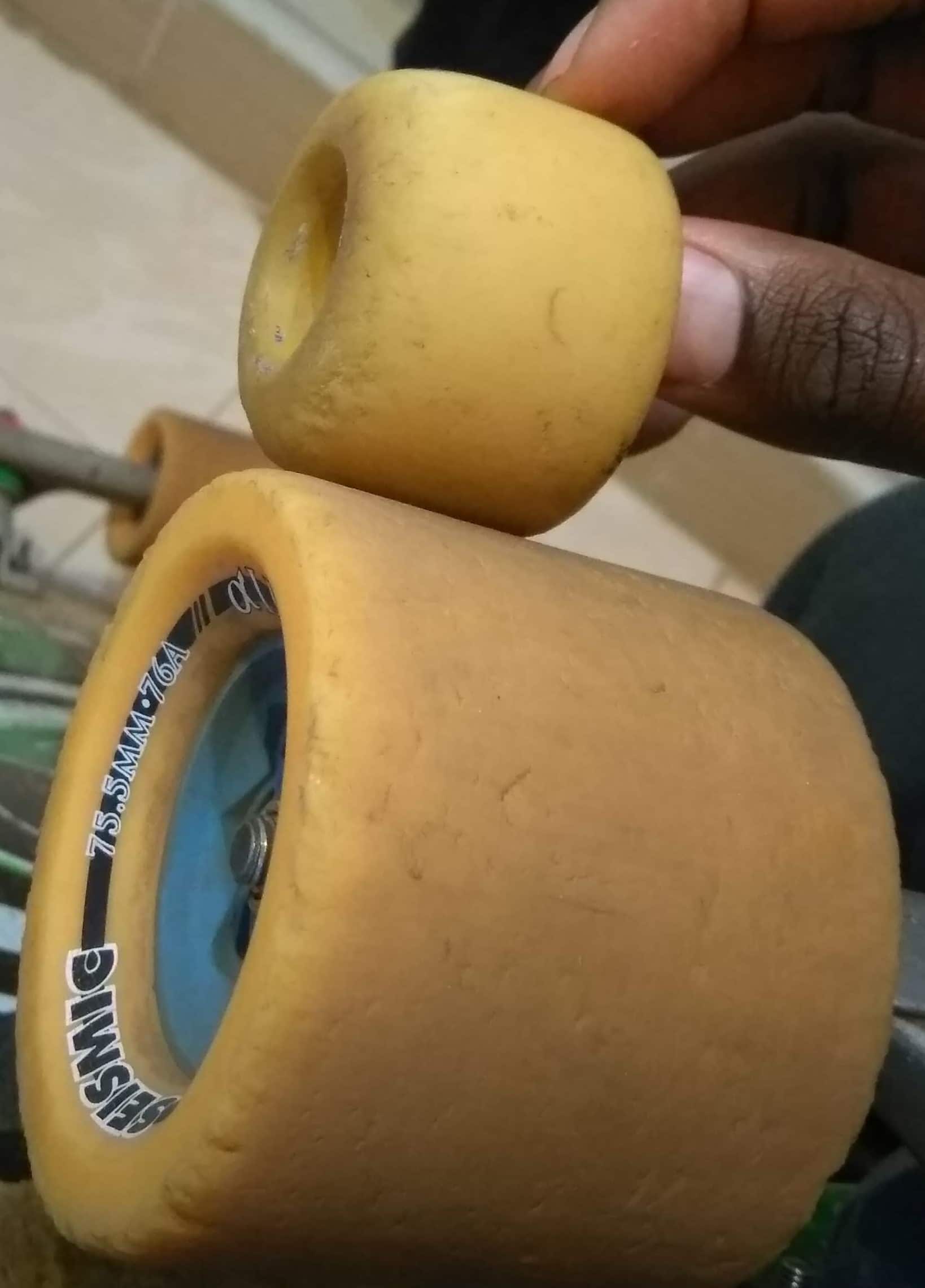
Start by checking wheel balance. Place the wheel on a smooth rod. Spin it gently. Watch for wobbling or uneven rotation. A balanced wheel spins smoothly without shaking. If you find an imbalance, sand the heavy spots lightly. Repeat until the wheel spins evenly. Balanced wheels reduce vibration and wear.
Performance Testing
Next, test the wheels on your longboard. Find a safe, flat area. Ride slowly at first, then increase speed. Pay attention to how the wheels grip and roll. Notice if they slide or stick unexpectedly. Test on different surfaces if possible. Good wheels provide steady speed and good control.
Making Improvements
Use test results to make improvements. If wheels feel too hard, try adding a softer polyurethane coat. If they slide too much, roughen the surface slightly. Check the wheel core fit on the bearings. Tighten or loosen as needed. Small changes can greatly improve ride quality. Keep testing after each adjustment.
Credit: downhill254.com
Tips For A Better Ride
Improving your longboard ride depends heavily on the wheels you choose and how you care for them. Small changes in wheel setup can make a big difference in comfort and control. Knowing how to customize, maintain, and fix wheel issues helps you enjoy smoother rides and longer wheel life.
Customizing Wheel Hardness
Wheel hardness affects grip and speed. Softer wheels offer better traction but wear faster. Harder wheels last longer and roll faster on smooth surfaces. Choose hardness based on your riding style and terrain. Experimenting with different hardness levels helps find what suits you best.
Maintaining Your Wheels
Regular cleaning removes dirt and debris from wheels. Dirt buildup causes rough rides and faster wear. Check for cracks or flat spots often. Rotate wheels to even out wear. Proper maintenance extends wheel life and keeps rides smooth and safe.
Troubleshooting Common Issues
Wheels may squeak, vibrate, or feel unstable. Squeaking often means bearings need cleaning or replacement. Vibrations can result from worn or damaged wheels. Flat spots cause bumpy rides and should be replaced. Addressing these issues quickly prevents bigger problems and maintains ride quality.
Frequently Asked Questions
How Are Longboard Wheels Made?
Longboard wheels form by pouring liquid polyurethane into molds. The material cures, solidifies, then machines shape the wheels. This process ensures durability, grip, and smooth riding.
How To Make Skateboard Wheels?
Make skateboard wheels by mixing polyurethane resin, pouring it into molds with a core pin, then curing and demolding the wheels.
Are 78a Wheels Too Soft?
78A wheels are relatively soft, offering better grip and smoother rides on rough surfaces. They suit cruising but wear faster.
What Kind Of Wheels Do Longboards Use?
Longboards use large, soft polyurethane wheels for smooth rides and better grip. Sizes range from 60mm to 75mm in diameter. These wheels absorb shocks well and provide stability at high speeds, ideal for cruising, carving, and downhill riding.
Conclusion
Making your own longboard wheels takes patience and care. Choose the right materials, like quality polyurethane. Follow each step slowly, from molding to curing. Test the wheels for smooth riding and durability. This hands-on process can deepen your understanding of wheel performance.
Enjoy crafting wheels that fit your style and needs perfectly. Keep practicing to improve your skills and results. Making wheels is both fun and rewarding.

