
Have you ever wondered if longboarding could actually boost your snowboarding skills? If you want to get better at snowboarding, especially when the snow season is far away, longboarding might be the secret training tool you need.
It’s not just about having fun on wheels—longboarding helps you build balance, control, and muscle memory that directly translate to the slopes. Imagine sharpening your edge control and carving techniques all year round, so when you hit the snow, you’re already ahead.
Keep reading to discover how longboarding can give your snowboarding a serious advantage and why it might be your best off-season workout.
Balance And Stability
Balance and stability form the foundation of both longboarding and snowboarding. These sports demand control over body movements on a moving board. Practicing longboarding strengthens the ability to stay steady and react quickly to shifts in terrain. This skill is crucial for snowboarding, where uneven snow and slopes challenge riders constantly.
Core Muscle Engagement
The core muscles keep the body upright and balanced. Longboarding activates these muscles with every glide and turn. A strong core helps snowboarders maintain posture and control. Without core strength, riders risk falling or losing control on the slopes.
Small Stabilizer Muscles
Small stabilizer muscles support balance during subtle movements. Longboarding uses these muscles to adjust quickly to board shifts. Snowboarding requires similar quick adjustments to changing snow surfaces. Training these muscles through longboarding builds better stability and reduces falls.
Maintaining Equilibrium On Moving Boards
Both sports involve balancing on a moving board that reacts to body weight. Longboarding teaches riders to keep their center of gravity aligned. This skill transfers directly to snowboarding, where maintaining equilibrium is key. Riders learn to shift weight smoothly and stay balanced during turns and stops.
Board Control Skills
Board control skills form the foundation of both longboarding and snowboarding. These skills involve handling the board smoothly and confidently. Practicing longboarding builds muscle memory and sharpens your ability to react quickly. This makes snowboarding easier to pick up. Key skills include shifting weight, carving turns, and stopping safely. Each of these helps you manage your snowboard on various terrains. Longboarding offers a great way to practice these skills on dry land. It prepares your body and mind for the snow.
Weight Shifting Techniques
Weight shifting controls your board’s direction and speed. On a longboard, you learn to lean forward, backward, or to the sides. This movement changes how the board moves under your feet. Shifting weight smoothly helps you stay balanced and steady. Snowboarding uses similar weight shifts to carve turns and control speed. Practicing on a longboard improves your sense of balance and timing. This practice makes adjusting your weight on a snowboard more natural and precise.
Carving And Edge Control
Carving means making clean, smooth turns using the edges of your board. Longboarding teaches you how to tilt the board and control its edges. You learn to guide your board through curves without skidding. Edge control is crucial in snowboarding for turning and staying stable on icy or steep slopes. Longboarding trains your muscles and reflexes to engage edges correctly. This skill carries over well, helping you carve better on snow.
Stopping And Powersliding
Stopping safely is a key skill in both sports. Powersliding on a longboard means sliding the board sideways to slow down. This technique helps you learn how to control speed and stop without falling. Snowboarding also uses sliding moves to stop or slow down quickly. Practicing powerslides on a longboard builds confidence and control. It trains your body to react and balance during sudden stops on snow.
Park And Transition Riding
Park and transition riding are key parts of snowboarding. These styles focus on riding in halfpipes, bowls, and ramps. They require good board control and smooth body movements. Longboarding helps build these skills off the snow. It improves balance and timing needed for park tricks. Practicing on a longboard prepares the body for the unique demands of transition riding.
Vert Skating Movements
Vert skating on a longboard trains your body for similar snowboarding moves. It develops balance on curved walls and ramps. You learn to shift your weight smoothly from one edge to another. This skill is crucial for riding walls in a halfpipe. The quick turns and pumping motions on a longboard mimic snowboarding transitions. This practice builds confidence and muscle memory for snowboarding tricks.
Halfpipe Body Mechanics
Riding transitions on a longboard helps your body learn halfpipe mechanics. You practice bending knees and adjusting your center of gravity. This keeps you stable on steep curved surfaces. Longboarding also trains your arms and upper body to stay balanced. These movements match the body control needed in snowboarding halfpipes. Improving these mechanics on a longboard makes snowboarding smoother and safer.
Trick Progression Benefits
Longboarding lets you practice tricks similar to those on a snowboard. You can learn grabs, slides, and spins on a longboard first. This reduces fear and builds skill before hitting the snow. Progressing tricks on a longboard helps you understand timing and body positioning. It also improves coordination and confidence. These benefits make learning snowboarding tricks faster and less intimidating.

Muscle Memory And Familiarity
Muscle memory and familiarity play a key role in learning snowboarding. Longboarding activates similar muscles and balance skills used in snowboarding. Practicing longboarding helps your brain remember movements needed on a snowboard. This repetition builds confidence and smooths the transition from pavement to snow. Developing these skills off-season keeps your body ready for winter sports. Longboarding creates a strong foundation for snowboarding techniques and control.
Cross-training Advantages
Longboarding serves as an effective cross-training tool for snowboarders. It targets balance, coordination, and core strength. These benefits carry over to snowboarding, where stability is crucial. Cross-training with longboarding can reduce injury risk by strengthening supporting muscles. It also improves endurance, helping you ride longer on the slopes. Regular longboarding keeps your skills sharp during the off-season. This kind of training complements your snowboarding practice well.
Body Awareness Development
Longboarding enhances body awareness by requiring precise weight shifts. You learn to control your center of gravity and edge pressure. This skill is vital for carving and turning on a snowboard. Body awareness helps with maintaining balance on uneven snow surfaces. It also improves reaction time to sudden changes in terrain. Through longboarding, your brain learns how your body moves with the board. This connection is essential for confident snowboarding.
Easing Snowboard Learning Curve
Longboarding reduces the initial difficulty of snowboarding. Familiarity with board movements builds comfort and reduces fear. Beginners find it easier to control their speed and direction. Muscle memory from longboarding helps with stance and balance on snow. This familiarity shortens the time needed to learn basic snowboarding skills. As a result, you spend more time enjoying the slopes and less time struggling. Longboarding acts as a stepping stone to better snowboarding.
Skill Adaptations Needed
Longboarding skills do help snowboarding, but you must change some techniques. The two boards feel different under your feet. Adjusting your movements will make snowboarding easier and safer. Focus on how you jump, how your feet move, and how bindings affect your control.
Jumping And Pop Differences
Longboarding uses the front foot to pop the board up. Snowboarding relies on the tail for a stronger, sharper pop. You need to practice jumping with your back foot pushing down. Timing and balance shift during this motion. Your body should learn to react to the new pop style.
Effect Of Snowboard Bindings
Longboards let your feet move freely. Snowboard bindings lock your feet in place. This limits foot movement and requires more whole-body control. You must rely on your legs and hips to steer. Getting used to bindings takes time but improves stability on snow.
Foot Manipulation Adjustments
Longboarding allows quick foot repositioning. Snowboarding demands precise foot positioning before riding. You cannot adjust feet while moving on snow. Practice setting your stance firmly before starting. Develop muscle memory for small shifts using your ankles and knees instead of feet.

Credit: www.reddit.com
Choosing The Right Longboard
Choosing the right longboard is crucial for snowboarders aiming to improve their skills. The right board helps mimic the feel of snowboarding on pavement. It builds balance, control, and confidence before hitting the slopes.
Not all longboards suit snowboard training. Factors like board width, stability, and special features matter. Selecting a board designed to simulate snowboarding can enhance your learning experience and skill transfer.
Board Width And Stability
Snowboards are generally wide to support balanced foot placement. A wider longboard offers similar stability. It allows both feet to rest comfortably, helping with weight distribution. Stability reduces wobbling, which is key for beginners and advanced riders alike. Choose a board wide enough to match your snowboarding stance for better control and comfort.
Recommended Models For Snowboarders
Some longboards are popular among snowboarders for their design and feel. Boards like the Landyachtz Drop Hammer and Sector 9 Lookout provide a smooth, stable ride. These models offer a good mix of width and flexibility. They help riders practice carving and edge control, skills essential for snowboarding. Selecting proven models can save time and improve training results.
Features Mimicking Snowboard Feel
Look for longboards with features that imitate snowboards. Flexibility in the deck allows for similar board bending during turns. Drop-through mounting lowers the board’s center of gravity, increasing stability. Soft wheels improve grip on pavement, similar to snow edges on snow. These features make the ride feel closer to snowboarding, helping muscle memory and technique.
Off-season Training Benefits
Longboarding offers a great way to stay active and prepared during the snowboarding off-season. It keeps key muscles engaged and sharpens skills needed for snowboarding. Training with a longboard helps maintain physical fitness, balance, and board control. These benefits reduce the time needed to get back on the snow and improve overall performance.
Maintaining Fitness And Balance
Longboarding works many muscles used in snowboarding. It strengthens your legs, core, and stabilizer muscles. Regular practice improves balance and coordination. This helps your body stay ready for snowboarding’s demands. Maintaining fitness during off-season prevents loss of strength and agility. It also lowers injury risk when you return to the slopes.
Building Confidence On A Board
Riding a longboard builds board confidence. You learn how to shift weight and control speed. This practice makes you comfortable standing and moving on a board. Confidence gained on a longboard transfers easily to snowboarding. It reduces fear and hesitation on snow. Feeling sure on a board helps you try new tricks and terrain faster.
Reducing Snowboard Learning Time
Skills from longboarding shorten snowboard learning time. You already know how to balance and carve. This gives you a head start on snow. Longboarding also improves reaction time and muscle memory. These skills make it easier to learn snowboard stops and turns. Starting snowboard season fit and skilled means quicker progress.
Complementary Sports For Snowboarding
Snowboarding demands balance, strength, and coordination. Engaging in complementary sports can improve these skills. Longboarding is one such activity that shares many movement patterns with snowboarding. It helps riders develop essential abilities that transfer well to the snow. Exploring other sports can also boost your overall performance on the board.
Activities Enhancing Balance
Balance is crucial for snowboarding. Longboarding challenges your ability to stay steady while moving. Riding on uneven surfaces strengthens small muscles that stabilize your body. Skateboarding and surfing also improve balance by forcing you to adjust to shifting weight. Practicing these sports regularly makes staying upright on a snowboard easier.
Core Strength And Coordination
Strong core muscles support your posture on the snowboard. Longboarding requires you to engage your abs and lower back constantly. This builds core strength and helps control your board. Coordination between arms, legs, and eyes is key in both sports. Activities like yoga and Pilates also develop these skills, aiding smooth turns and quick reactions on the slopes.
Unusual Sports With Transferable Skills
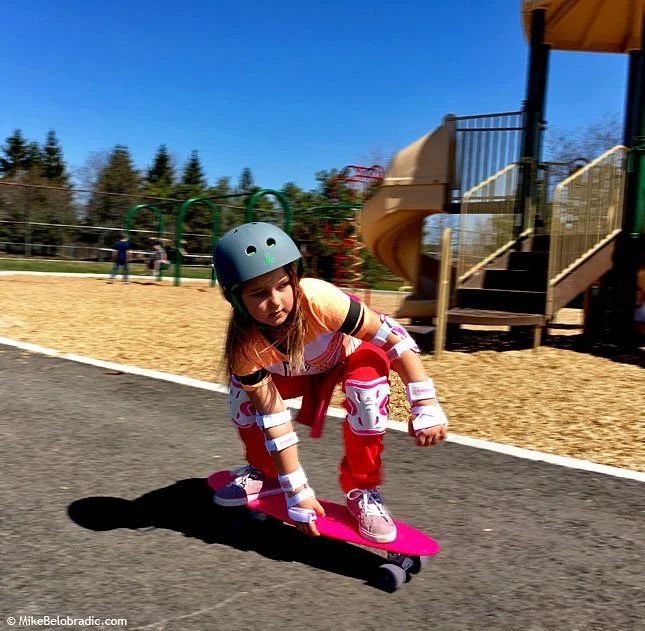
Some less obvious sports help snowboarding too. Slacklining improves balance and focus by walking on a narrow, flexible line. Rollerblading enhances edge control and footwork, similar to carving on snow. Even dance builds rhythm and body awareness, helping with fluid movement. Trying these activities can add variety and strengthen skills useful for snowboarding.
Credit: www.mikebelobradic.com
Frequently Asked Questions
Will Skateboarding Help Me Snowboard?
Skateboarding improves balance, weight shifting, and board control, which directly benefit snowboarding skills. It speeds up learning and trick progression. Adapting to snowboard bindings is necessary, but skateboarding offers excellent off-season training and familiarity with board sports.
What Sports Help With Snowboarding?
Skateboarding, surfing, gymnastics, and paddleboarding improve balance, coordination, and core strength for snowboarding. These sports enhance board control and stability.
What Is The Best Longboard For A Snowboarder?
The best longboard for a snowboarder features a drop-through or drop deck design for stability and easy carving. Choose flexible boards with wide decks to mimic snowboard feel and enhance control. Brands like Landyachtz and Arbor offer models ideal for snowboarders transitioning to longboarding.
What Are The Benefits Of Riding A Longboard?
Riding a longboard improves balance, coordination, and core strength. It enhances board control and builds muscle memory. Longboarding also boosts stability and helps develop smooth carving skills. These benefits make it easier to learn other board sports like snowboarding.
Conclusion
Longboarding builds key skills useful for snowboarding. It improves balance, board control, and body coordination. These skills help beginners feel more confident on snow. Still, snowboarding has unique moves requiring practice with bindings. Using longboarding as training keeps you active off-season.
It also helps your muscles get ready for snowboarding’s demands. Try combining both sports to enjoy year-round fun. Practice often, and you will see steady progress. Longboarding can be a helpful step toward better snowboarding.

