
Are you trying to decide between longboard and skateboard trucks but feeling overwhelmed by all the technical details? You’re not alone.
Choosing the right trucks can make a huge difference in how your board handles, feels, and performs. Whether you want smooth cruising or sharp tricks, understanding the key differences between longboard and skateboard trucks will help you get the most out of your ride.
Keep reading, and you’ll discover exactly what sets these trucks apart — so you can pick the perfect setup for your style and goals.
Truck Design
Truck design plays a key role in how longboards and skateboards perform. Trucks are the metal parts that connect wheels to the deck. Their shape and size affect turning, stability, and ride comfort. Understanding these differences helps riders choose the right setup.
Longboard trucks and skateboard trucks look similar but have important design variations. These differences suit their distinct riding styles and needs.
Baseplate Differences
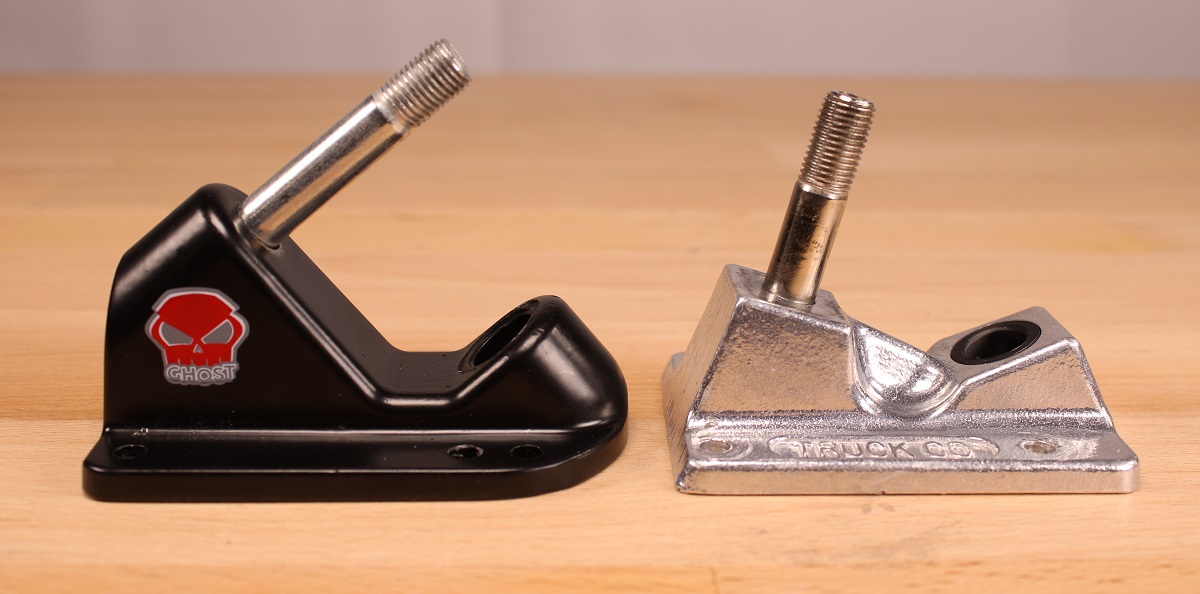
The baseplate is the flat part that attaches to the deck. Longboard baseplates are often wider and sturdier. This design offers more stability at high speeds and during long rides.
Skateboard baseplates are smaller and lighter. They work well for tricks and quick turns. This makes skateboards more agile on ramps and streets.
Hanger Size And Shape
The hanger holds the axle where the wheels spin. Longboard hangers are wider and sometimes thicker. This helps with smooth, stable turns and better weight distribution.
Skateboard hangers are narrower and lighter. Their shape supports quick, sharp turns and tricks. This suits the fast, technical style of skateboarding.
Kingpin Angle
The kingpin is the bolt that holds the truck parts together. Its angle affects how the truck turns. Longboards usually have a lower kingpin angle. This gives a stable, controlled ride at high speeds.
Skateboards use a higher kingpin angle. This setup allows for quicker, more responsive turns. It helps riders perform tricks and sharp maneuvers easily.

Turning And Stability
Turning and stability are key factors in choosing between longboard and skateboard trucks. They affect how the board handles curves, speed, and rider movements. Understanding these aspects helps riders find the best fit for their style and needs.
Turning Radius
Longboard trucks usually have a wider turning radius. This means they turn smoothly and gently, perfect for carving and cruising. Skateboard trucks have a tighter turning radius. They allow quick, sharp turns needed for tricks and skate parks.
Stability At Speed
Longboard trucks offer more stability at high speeds. Their design reduces wobbling and helps control during fast rides. Skateboard trucks focus less on speed and stability. They prioritize agility and quick responses over steady high-speed control.
Response To Weight Shifts
Longboard trucks respond smoothly to weight shifts. This makes it easier to maintain balance during turns. Skateboard trucks react quickly to weight changes. This sharp response helps with technical moves and quick direction changes.
Materials And Durability
Materials and durability play a key role in the performance of longboard and skateboard trucks. These parts need to be strong enough to handle impacts and stress. Different materials affect how trucks respond to tricks, turns, and rough surfaces. Understanding these factors helps riders choose the best trucks for their needs.
Common Materials Used
Most trucks are made from aluminum alloys. Aluminum is light and strong. Some trucks use steel for parts like axles and kingpins. Steel adds durability and strength. Longboard trucks often have softer bushings made from urethane. These help with smooth turns. Skateboard trucks focus on hardness to support tricks.
Wear And Tear Factors
Trucks face wear from grinding, impacts, and rough landings. Rust can affect steel parts if exposed to water. Aluminum may scratch, but it resists rust. Bearings and bushings wear out from use and heat. Longboard trucks usually last longer because they face less impact. Skateboard trucks wear faster due to frequent tricks and slides.
Maintenance Tips
Keep trucks clean and dry to avoid rust. Tighten loose bolts regularly. Replace worn bushings and bearings for smooth rides. Use lubricant on moving parts to reduce friction. Check for cracks or bends often. Proper care extends truck life and improves safety. Store boards indoors to protect trucks from the weather.

Compatibility With Decks
Understanding the compatibility between trucks and decks is crucial for riders who want to customize their boards. Longboard trucks and skateboard trucks differ in size and design, affecting how they fit on decks. Choosing the right combination ensures better performance and safety.
Fitting Longboard Trucks On Skateboards
Longboard trucks are usually wider than skateboard trucks. This wider baseplate may not align perfectly with the holes on a skateboard deck. Some skateboard decks have mounting holes too close together for longboard trucks. Drilling new holes can solve this, but it may weaken the deck. The truck hanger is also bigger, which can cause wheel bite on smaller decks.
Skateboard Trucks On Longboards
Skateboard trucks are narrower and often lighter than longboard trucks. They can fit on smaller longboard decks but may cause instability. A narrower truck reduces the board’s turning ability and balance. Some longboard decks have mounting holes made for wider trucks, making skateboard trucks hard to mount. Adapters exist but add height and change the board’s feel.
Potential Issues And Solutions
Mismatched trucks and decks can cause problems like poor turning, wheel bite, or deck damage. Wheel bite happens when wheels touch the deck during sharp turns. Risers or shock pads help by adding space between trucks and decks. Drilling new holes should be done carefully to avoid weakening the deck. Testing the setup before riding is important for safety and performance.
Impact On Riding Style
The choice between longboard and skateboard trucks greatly affects riding style. Trucks influence how the board turns, balances, and responds to rider input. Different trucks suit different activities and skills. Understanding these differences helps riders pick the right setup.
Cruising And Commuting
Longboard trucks offer more stability and smoother turns. They are wider and softer, making rides comfortable on uneven surfaces. This design absorbs road bumps well, perfect for longer distances. Skateboard trucks are narrower and stiffer, less forgiving on rough roads. Longboard trucks help maintain balance at slower speeds. They make cruising and commuting easier and less tiring.
Tricks And Technical Riding
Skateboard trucks excel in tricks and technical riding. Their compact size and rigidity allow quick, sharp turns. They support flips, ollies, and grinds with precision. Longboard trucks lack this agility due to their size and looseness. They are not built for fast flicks or complex maneuvers. Skateboard trucks give riders the control needed for skatepark tricks and street riding.
Downhill And Carving
Longboard trucks are ideal for downhill and carving styles. They provide stability at high speeds and smooth, deep turns. Their design lowers the center of gravity, improving control on steep slopes. Skateboard trucks do not offer the same level of stability for downhill runs. They tend to be less stable at fast speeds and sharp carving. Longboard trucks help riders handle aggressive turns and maintain balance downhill.
Wheel And Truck Pairing
The pairing of wheels and trucks plays a key role in riding performance. Each affects how the board handles turns, speed, and comfort. Longboards and skateboards use different combinations to suit their unique purposes. Understanding these pairs helps riders choose the right setup for their style. Below, we explore important factors in wheel and truck pairing.
Wheel Size And Hardness
Longboard wheels are usually bigger than skateboard wheels. They range from 60mm to 75mm or more. Bigger wheels roll over cracks and rough surfaces easily. Skateboard wheels tend to be smaller, from 50mm to 54mm. Smaller wheels suit tricks and street skating. Hardness also differs. Longboard wheels are softer, around 78A to 87A. Soft wheels grip better and absorb bumps. Skateboard wheels are harder, often 99A or higher. Hard wheels slide well and last longer on smooth surfaces.
Truck Width And Wheel Clearance
Truck width must match wheel size and deck width. Longboard trucks are wider, usually 180mm or more. They allow large wheels to clear without rubbing. Wider trucks provide better stability at high speeds. Skateboard trucks are narrower, around 129mm to 139mm. They fit smaller wheels and decks. Clearance is vital to prevent wheel bite. Wheel bite happens when wheels touch the deck during turns. Longboard trucks often have raised bases or riser pads. These increase clearance and prevent wheel bite with big wheels.
Effect On Ride Quality
Wheel and truck pairing shapes ride smoothness and control. Large, soft wheels with wide trucks offer a smooth, stable ride. This setup suits cruising and downhill riding. Smaller, hard wheels with narrow trucks create a responsive, agile ride. This suits tricks and street skating. Proper pairing reduces vibrations and improves grip. It also affects turning radius and speed control. Choosing the right pair enhances comfort and safety on any board.
Choosing Based On Skill Level
Choosing the right trucks for your longboard or skateboard depends largely on your skill level. Each skill stage benefits from different truck features. This helps improve control, confidence, and enjoyment while riding. Understanding which trucks suit your current ability makes your skating safer and more fun.
Beginners And Stability
Beginners need trucks that offer maximum stability. Longboard trucks usually have wider axles and softer bushings. This design helps absorb shocks and keeps the board steady. Wider trucks give a solid feel when turning slowly. They reduce the chance of tipping over. For new riders, stability builds confidence and helps them learn balance.
Intermediate Riders And Versatility
Intermediate riders benefit from trucks that balance stability and maneuverability. Skateboard trucks with medium width and medium hardness bushings work well. These trucks allow sharper turns and some tricks. Riders can explore different styles like cruising and light tricks. Versatile trucks help improve skills smoothly without losing control.
Advanced Riders And Performance
Advanced riders need trucks that support high performance and precision. Narrower trucks with stiff bushings allow quick, sharp turns. Skateboard trucks designed for technical tricks offer better pop and responsiveness. Longboard trucks with precision components excel in downhill and carving. These trucks give expert riders the control needed for complex moves.
Price And Availability
Price and availability play key roles in choosing between longboard and skateboard trucks. Budget limits affect what you can buy. Also, some trucks are easier to find than others. Understanding cost and access helps you pick the right truck for your ride.
Cost Differences
Longboard trucks usually cost more than skateboard trucks. They are bigger and made to handle speed and weight. Skateboard trucks are smaller and often cheaper. Prices vary from $20 to $80 depending on quality and brand. A higher price often means better materials and durability.
Brands And Models
Popular brands offer many models of both trucks. Longboard trucks come from brands like Caliber and Paris. Skateboard trucks include names like Independent and Thunder. Each brand offers trucks for different skill levels and styles. Models differ in size, weight, and turning ability.
Where To Buy
Both truck types are widely available online and in stores. Skate shops stock a range of trucks for each board type. Online stores like Warehouse Skateboards and Amazon offer many choices. Local shops may have expert advice and let you see trucks in person. Check stock and shipping times before buying.
Frequently Asked Questions
Do Longboards And Skateboards Use The Same Trucks?
Longboards and skateboards use different trucks. Longboard trucks are wider and designed for stability, while skateboard trucks focus on agility and tricks.
Can You Put Longboard Trucks On A Skateboard Deck?
Yes, you can put longboard trucks on a skateboard deck since baseplates fit standard sizes. Note, trucks may feel wider and affect turning.
Why Are Longboards Better Than Skateboards?
Longboards offer better stability, larger wheels, and smoother rides, making them ideal for cruising and longer distances. They provide a more comfortable, balanced experience than skateboards, which excel in tricks and tight maneuvers.
Is Longboarding Harder Than Skateboarding?
Longboarding is generally easier to learn due to its larger deck and stable wheels. Skateboarding requires more balance and skill for tricks. Beginners find longboarding more comfortable for cruising, while skateboarding offers greater technical challenges and trick variety.
Conclusion
Choosing between longboard and skateboard trucks depends on your riding style. Longboard trucks offer more stability and smooth turns, perfect for cruising. Skateboard trucks provide tighter turns and better control for tricks. Remember, trucks affect your ride’s feel and performance greatly.
Consider what matters most: speed and comfort or agility and tricks. Test both types if possible to find your best fit. Understanding these differences helps you enjoy skating more safely and confidently.

