
Are you thinking about picking up skateboarding, but not sure whether to start with a skateboard or a longboard? You’re not alone.
Choosing the right board at the beginning can make all the difference in how quickly you learn and how much fun you have. Skateboards and longboards each offer unique experiences, and understanding what fits your style, goals, and comfort level is key.
You’ll discover the pros and cons of both, helping you make a confident choice that keeps you rolling smoothly from day one. Ready to find out which board suits you best? Let’s dive in!

Skateboard Basics
Starting with a skateboard means understanding its parts and how they work. Each part affects your ride and control. Knowing the basics helps you pick the right board. This guide covers the deck, wheels, trucks, and styles. It makes choosing easier and your skating more fun.
Deck Types
The deck is the flat board you stand on. Most decks are made of wood, usually maple, for strength and flexibility. Decks come in various shapes and sizes. Wider decks give more balance, good for beginners. Narrow decks are lighter and better for tricks. The deck’s shape affects how the board turns and feels under your feet.
Wheels And Trucks
Wheels come in different sizes and hardness. Larger wheels roll over cracks and bumps better. Smaller wheels are lighter and faster for tricks. Softer wheels grip the road well, good for cruising. Harder wheels slide more, ideal for tricks on smooth surfaces. Trucks connect wheels to the deck. They allow turning and control. Tight trucks give stability. Loose trucks help with sharp turns and carving.
Board Styles
Skateboards come in many styles for different rides. Street boards are smaller and lighter, designed for tricks and ramps. Cruiser boards are bigger and softer, made for smooth rides on city streets. Longboards are longer and stable, great for downhill and long-distance rides. Each style suits different skills and goals. Choose one that fits your style and comfort.
Longboard Basics
Longboarding offers a smooth and stable ride, perfect for beginners. It helps build balance and confidence on wheels. Understanding the basics can guide your choice and improve your experience.
Here are the key elements to know before starting your longboarding journey.
Deck Shapes And Sizes
Longboard decks come in different shapes and sizes. Common shapes include pintail, drop-through, and cruiser. Each shape suits a specific riding style. Deck size affects stability and control. Longer decks provide more balance, ideal for cruising. Shorter decks are easier to maneuver, good for tricks.
Wheel Types
Wheels vary in size and hardness. Larger wheels roll over bumps smoothly. Softer wheels grip better, giving a smoother ride on rough surfaces. Harder wheels slide easily, good for tricks and downhill riding. Choosing the right wheels depends on your riding style and road type.
Flexibility And Weight
Deck flexibility affects comfort and control. A flexible deck absorbs shocks and feels smoother. Stiffer decks offer more stability at high speeds. Weight impacts how easy it is to carry and control the board. Lighter boards are easier to handle, especially for beginners.
Balance And Stability
Balance and stability are key when starting to ride either a skateboard or a longboard. They affect how safe and confident you feel on the board. Good balance helps you stay upright and control the board with ease. Stability reduces the chance of falls and makes learning smoother. Each type of board offers a different experience in balance and stability.
Longboard Stability
Longboards have a bigger deck and wider wheelbase. This design makes them more stable than skateboards. The larger size helps beginners keep their balance. Longboards also use bigger, softer wheels. These wheels absorb bumps and rough surfaces well. Riders feel less shaky and more secure. This makes longboards ideal for cruising and downhill rides. The stable feel helps new riders build confidence quickly.
Skateboard Maneuverability
Skateboards are smaller and lighter than longboards. Their compact size allows for quick turns and tricks. This makes skateboards less stable but more agile. Beginners may find it harder to balance at first. The smaller wheels provide less shock absorption. Skateboards respond fast to rider movements. This is great for skating parks and doing tricks. Learning on a skateboard improves coordination and control.
Learning Curve
Starting to ride either a skateboard or a longboard involves understanding the learning curve. This curve shows how fast a new rider can feel comfortable and confident on the board. Each type of board has a different path to learning that affects balance, control, and skill development. Knowing what to expect helps beginners choose the right board for their goals and abilities.
Ease Of Mastery
Longboards usually offer an easier start for beginners. Their larger size and softer wheels provide more stability and a smoother ride. This helps riders keep balance and avoid falls early on. Skateboards are smaller and lighter but require more balance and quick foot movements. These qualities make skateboards harder to control at first. Learning to ride a longboard often feels less frustrating and allows faster progress.
Common Challenges
Skateboard riders face challenges like maintaining balance on a smaller deck. The hard wheels make bumps and cracks more noticeable, which can cause falls. Tricks and sharp turns need practice and good foot coordination. Longboard riders might struggle with controlling speed and turning sharply. The bigger size can feel bulky for quick maneuvers. Both boards require time to develop confidence in stopping safely and steering effectively.
Riding Styles
Choosing between a skateboard and a longboard depends a lot on the riding style you prefer. Each board suits different ways of riding. Understanding these styles helps you pick the right board. This section explains popular riding styles and which board fits best.
Cruising And Commuting
Cruising means riding smoothly on flat surfaces or sidewalks. It feels relaxed and easy. Longboards are great for cruising because of their size and soft wheels. They absorb bumps and give a comfortable ride. Skateboards can cruise too, but feel less stable for long distances.
Commuting on a board means using it to travel short distances. Longboards work better here. They are faster and more stable. Skateboards are smaller and good for quick trips or crowded places. Choose the board that matches how far and fast you want to go.
Tricks And Technical Riding
Tricks need quick movements and control. Skateboards are the top choice for tricks. Their smaller size and hard wheels help with flips and jumps. Skateboard decks are lighter and easier to handle in the air.
Longboards are not ideal for tricks. They are heavier and bigger, making tricks harder. Focus on skateboards if you want to learn ollies, kickflips, or grinding rails. Skateboarding is the go-to for street and park riding.
Downhill And Carving
Downhill riding means going fast down slopes. Longboards shine in downhill riding. Their shape and trucks provide stability at high speeds. Riders can carve, making smooth turns like skiing.
Carving is about tight turns on flat or downhill roads. Longboards offer wide decks and flexible trucks. This makes carving fun and easy. Skateboards are less stable for downhill and carving due to their size.
Choosing Your First Board
Choosing your first board is an important step in skateboarding or longboarding. The right board helps build confidence and skills quickly. Consider your riding style and where you will skate most often. A good beginner board offers stability, control, and comfort.
Think about whether you want to focus on tricks, cruising, or downhill riding. Your choice affects the type of board you should pick. Both skateboards and longboards have unique features. Understanding these helps you make a smart decision.
Complete Skateboards Vs Custom Builds
Complete skateboards come pre-assembled and ready to ride. They save time and money for beginners. These boards often include balanced parts for general use. Custom builds let you pick each component separately. This offers more control over performance and style. Beginners usually start with complete skateboards for ease. Custom builds suit riders who know their preferences.
Recommended Brands And Models
Look for brands known for quality and durability. For skateboards, check out brands like Element, Plan B, and Almost. For longboards, Arbor, Sector 9, and Landyachtz are popular choices. Models like the Element Section or Arbor Breeze are beginner-friendly. These boards offer good stability and smooth rides. Choose boards with softer wheels for better grip and comfort.
What To Avoid
Avoid cheap boards from department stores or toy stores. These often have weak trucks and poor-quality wheels. They break easily and make learning harder. Also, avoid boards that are too small or too large for your size. Poor fit can cause balance issues and discomfort. Stick to beginner-specific boards from trusted sellers for the best results.
Safety And Gear
Choosing between a skateboard and a longboard means thinking about safety first. Both boards need the right gear to keep you protected. Proper safety equipment helps prevent injuries and builds confidence. Riding safely also means following simple rules and habits. This section covers what protective gear you need and how to ride safely.
Protective Equipment
Always wear a helmet made for skateboarding or longboarding. It protects your head from serious injuries. Use wrist guards to support your wrists and reduce fractures. Elbow pads and knee pads shield your joints from scrapes and bruises. Choose a gear that fits well and feels comfortable. Quality gear lasts longer and gives better protection. Check your equipment before every ride for damage or wear.
Safe Riding Tips
Start riding in a safe, open place with smooth pavement. Avoid busy streets and rough surfaces until you gain control. Learn how to stop safely using your foot or the board’s brake. Keep your balance by bending your knees slightly and staying relaxed. Watch for obstacles like rocks, cracks, or cars. Practice turning and stopping slowly before trying tricks or high speeds. Always ride within your skill level to avoid accidents.

Cost Considerations
Cost plays a key role when choosing between a skateboard and a longboard. Both boards vary in price depending on brand, materials, and features. Understanding the initial cost and potential expenses helps make a smart decision. Consider your budget and how much you want to spend before buying.
Budget-friendly Options
Skateboards usually cost less than longboards at the entry level. Basic complete skateboards are affordable and ready to ride. Many brands offer quality boards under $100. These boards work well for beginners learning tricks or cruising short distances.
Longboards tend to be pricier due to larger decks and specialized parts. However, some budget longboards exist for around $120 to $150. These models focus on stability and smooth rides rather than tricks. They can be a good choice if you want to cruise or commute comfortably.
Long-term Investment
Spending a bit more on a quality skateboard or longboard can pay off over time. Durable materials last longer and require fewer repairs. Higher-end boards often provide better performance and safety.
Longboards often serve as a long-term investment for riders who enjoy smooth cruising and longer rides. The cost reflects the quality of wheels and trucks designed for comfort and speed.
Skateboards may need more frequent upgrades if you want to advance your skills. Parts like wheels and bearings wear out faster with tricks and jumps.
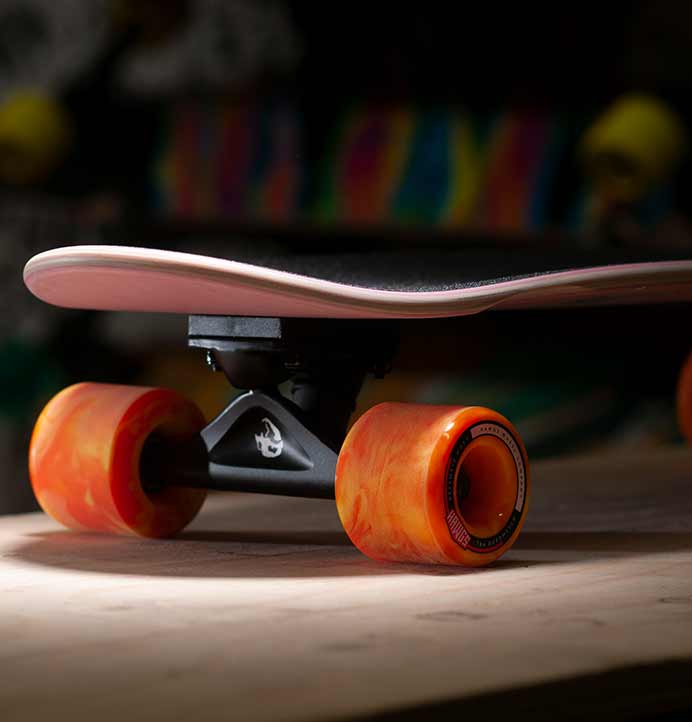
Credit: vandemlongboardshop.co.uk
Frequently Asked Questions
Is A Skateboard Or A Longboard Better For Beginners?
Longboards suit beginners better due to their larger size, stability, and softer wheels. They offer a smoother, easier ride. Skateboards require more balance and control, ideal for tricks. Start with a longboard to build confidence and basic skills before progressing to a skateboard.
What Type Of Skateboard Should A Beginner Get?
Beginners should choose complete skateboards with softer wheels for smooth rides and quality trucks for stability. Opt for a medium deck size, avoiding cheap plastic boards. Longboards or cruisers offer easier balance and smoother cruising, ideal for learning basic skills quickly and safely.
Is A Longboard Surfboard Good For Beginners?
Yes, longboard surfboards suit beginners well. Their larger size offers better stability and easier wave catching. Beginners gain confidence faster while riding longboards.
Is A Longboard Safer Than A Skateboard?
Longboards offer more stability and smoother rides due to larger wheels and wider decks. This often makes them safer for beginners than skateboards.
Conclusion
Choosing between a skateboard and a longboard depends on your goals and style. Skateboards suit tricks and park riding well. Longboards offer smoother rides and easier balance for beginners. Think about where you want to ride and what feels fun.
Start simple, and enjoy learning at your own pace. Both boards bring joy and help build confidence on wheels. Your choice will shape your skate experience. Try both if you can, and see what fits you best. Keep practicing, stay safe, and have fun out there!

