
Thinking about buying a longboard but not sure where to start? Choosing the right longboard can feel overwhelming with so many shapes, sizes, and styles out there.
But it doesn’t have to be confusing. By understanding your riding style and how different features affect your ride, you can find the perfect board that fits your needs and makes every push exciting. Whether you want to cruise smoothly through city streets, race downhill at high speeds, or master stylish tricks, this guide will help you make a smart choice.
Keep reading to discover exactly what you need to know before buying your longboard—so you get the best ride from day one.
Riding Styles
Choosing the right longboard starts with understanding your riding style. Each style demands different features from the board. These include shape, size, flex, trucks, and wheels. Knowing your style helps match the board to your needs. This makes riding safer and more fun.
Cruising And Commuting
Cruising and commuting focus on smooth, easy rides. Boards for this style have softer, larger wheels. They handle rough pavement and cracks well. A kicktail helps with quick turns and stops. Decks are usually longer and more flexible. This gives comfort and stability on city streets.
Downhill And Freeride
Downhill riders need speed and control on steep slopes. Their boards are stiff and often shorter. A strong concave shape locks feet in place. Trucks are tighter for better stability at high speeds. Wheels are harder for sliding and sharp turns. This setup offers safety and precision downhill.
Dancing And Freestyle
Dancing and freestyle involve tricks and footwork. These boards are longer for extra space. Kicktails and sometimes nose tails help with tricks. The deck is flexible to absorb impacts from jumps. Wheels balance, grip, and slide for smooth moves. This style demands creativity and balance on the board.
Deck Characteristics
The deck is the heart of any longboard. Its characteristics shape your riding experience. Knowing what to look for helps you pick the right board. Each detail affects comfort, control, and style. Understanding deck features lets you enjoy every ride.
Shape And Size
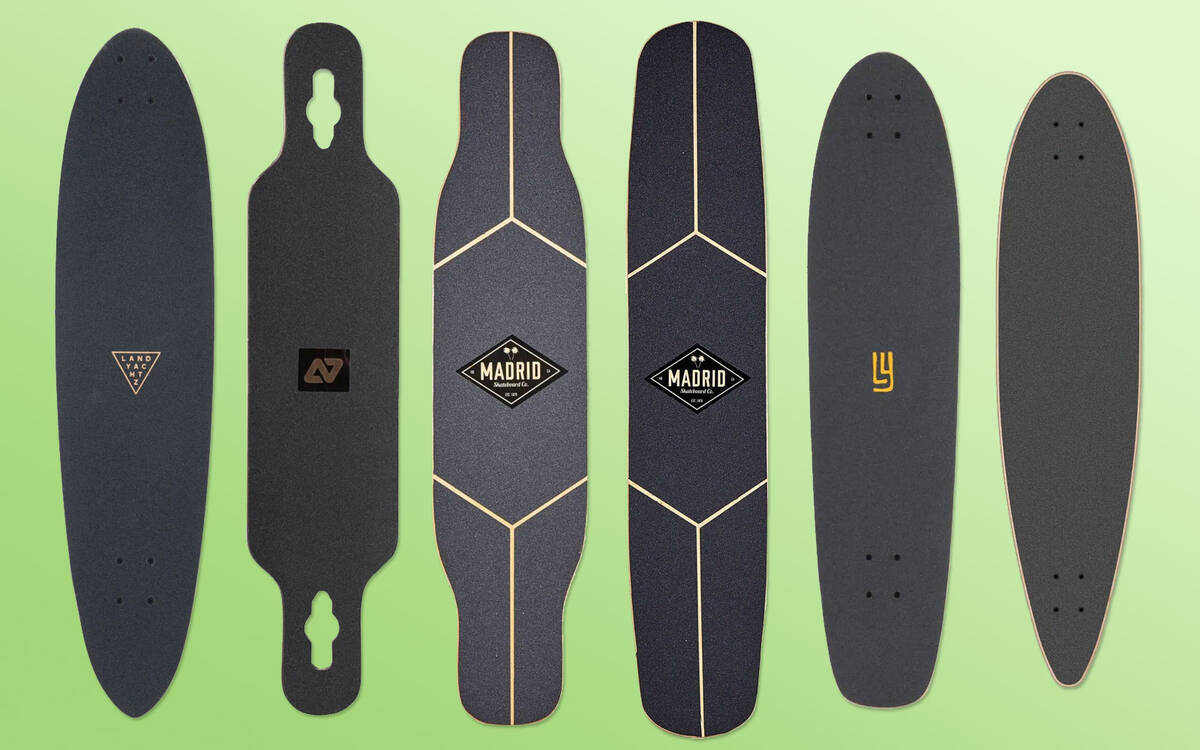
Longboard decks come in various shapes and sizes. Directional decks point forward, great for downhill rides. Symmetrical decks work well for tricks and freeriding. Size depends on your style. Longer decks offer stability and room. Shorter decks are easier to maneuver.
Width And Foot Placement
Width affects how your feet fit on the deck. Wider decks give more room and better balance. Narrow decks feel lighter and quicker. Your foot size matters here. Proper foot placement improves control and comfort. Choose a width that matches your stance.
Concave And Stability
Concave means the deck curves across its width. It helps lock your feet in place. A deeper concave offers better grip for tricks and high-speed riding. Flat decks give less foot hold but more freedom. Stability improves with the right concave shape for your style.
Flex And Performance
Flex shows how much the deck bends under weight. Softer decks absorb shocks and smooth out rough roads. They are great for cruising and carving. Stiffer decks provide better control at high speeds. They suit downhill riding and aggressive moves. Choose flex based on your riding needs.
Trucks And Wheels
Trucks and wheels form the core of your longboard’s performance. They affect how your board turns, slides, and rides on different surfaces. Choosing the right trucks and wheels depends on your riding style and preferences. Understanding their types and features helps you pick the best setup for smooth, controlled rides.
Truck Types And Angles
Trucks come in two main types: traditional kingpin and reverse kingpin. Traditional kingpin trucks work well for tricks and street skating. Reverse kingpin trucks offer better stability and easier turning, ideal for cruising and downhill rides.
Truck angle affects how sharply your board turns. Higher angles (50 degrees or more) make turning quick and smooth. Lower angles (around 40 degrees) provide more stability at high speeds but turn slower. Choose the angle based on your need for control or agility.
Wheel Size And Hardness
Wheel size influences speed and ride smoothness. Larger wheels (70mm or more) roll over cracks and rough roads easily. Smaller wheels (under 65mm) accelerate faster but feel rougher on uneven surfaces.
Wheel hardness is measured on the durometer scale. Softer wheels (78A-87A) grip the road better and absorb bumps. Harder wheels (88A-101A) slide easily and work well on smooth surfaces. Pick the hardness based on your riding style and terrain.
Bearings And Smoothness
Bearings allow your wheels to spin freely. High-quality bearings reduce friction and improve speed. They are rated by the ABEC scale, but this is not the only quality indicator.
Sealed bearings resist dirt and water, lasting longer with less maintenance. Clean and lubricate bearings regularly for the best smoothness and performance during rides.
Mounting Styles
Choosing the right mounting style is key when buying a longboard. The mount affects how you balance, turn, and feel the board under your feet. Each mounting style suits different riding needs and skill levels. Understanding these styles helps you pick a board that fits your riding style perfectly.
Top Mount
Top mount means the trucks are attached directly under the deck. This setup lifts the deck higher from the ground. It offers great leverage for sharp turns and quick responses. Riders enjoy a lively, agile feel with this mount. It works well for downhill and freeride styles. The higher center of gravity demands good balance but allows more control.
Drop-through Mount
Drop-through mount has the trucks mounted through the deck. This lowers the board’s height closer to the ground. It creates more stability and easier pushing. This style suits beginners and long-distance cruising. It helps reduce fatigue by making foot placement more comfortable. The drop-through mount is perfect for smooth, stable rides.
Drop Deck
A drop deck design lowers the standing platform by shaping the deck downward. It keeps the feet closer to the ground without changing the truck position. This style provides excellent stability at high speeds. It also lowers the center of gravity for better control. Drop decks are ideal for downhill riders and commuters who want comfort and balance.
Material Choices
Choosing the right material for your longboard deck affects ride quality, weight, and durability. Different materials offer various flex, strength, and feel. Understanding these options helps you pick the best board for your style and needs.
Maple And Bamboo Decks
Maple decks are strong and stiff. They provide great stability for downhill and freeride longboarding. Maple is heavier but lasts longer under pressure.
Bamboo decks are lighter and more flexible. They absorb shocks well, making them ideal for cruising and carving. Bamboo boards often feel smoother on rough surfaces.
Some decks combine maple and bamboo layers. This blend balances strength and flexibility. It suits riders who want a mix of control and comfort.
Composite Materials
Composite decks use materials like fiberglass or carbon fiber. These add extra strength without much weight. Composite boards often offer a stiffer ride.
Fiberglass layers help protect the deck from damage. Carbon fiber boosts durability and reduces board weight. These materials make the deck last longer.
Composite decks suit riders who want high performance. They work well for downhill racing and technical freeriding. Expect a responsive and firm feel.
Trying Before Buying
Trying a longboard before buying helps you find the perfect fit. Every rider feels boards differently. A test ride shows how a board handles turns, speed, and comfort. It reduces the risk of buying a board that does not match your style. Hands-on experience builds confidence in your choice.
Visiting Local Skate Shops
Local skate shops offer a wide range of longboards. You can see and touch boards in person. Staff can answer questions and suggest options based on your needs. Many shops allow you to try boards on-site or nearby. Visiting a shop supports local businesses and gives a personal shopping experience.
Test Riding Different Boards
Test riding helps you compare deck shapes, sizes, and flex. Feel how each board responds to your weight and movement. Try cruising, carving, or stopping to see what fits best. Testing different wheels and trucks shows how smooth or fast rides feel. This hands-on approach ensures you pick a board you enjoy riding.
Matching Board To Rider
Choosing the right longboard means matching it to the rider. A board that fits your style and body feels better and rides safer. Think about how you plan to use the board and your personal needs. The right board helps you enjoy every ride.
Personal Riding Preferences
Your riding style guides your board choice. For cruising or commuting, choose a longboard with softer, larger wheels. These handle rough roads and offer a smooth ride. A kicktail can help with quick turns and tricks. Downhill riders need stiffer decks that offer control at high speeds. Look for boards with concave shapes to keep your feet locked in. Dancing or freestyle riders want longer decks for more foot space. Kicktails on these boards help with flips and tricks. Each style needs a different shape, size, and flex.
Foot Size And Stance
Foot size affects board width. Wider boards feel stable for larger feet or tricks. Narrow boards suit smaller feet and quicker turns. Your stance matters too. Regular or goofy stance affects the board shape and truck setup. Symmetrical boards work well for riders who switch stances often. Directional boards favor one stance and offer more stability. Make sure the deck feels comfortable for your foot placement. This helps with balance and control.
Skill Level Considerations
Beginners need stable, easy-to-control boards. Drop-through mounts lower the board for better balance. Softer flex absorbs bumps and feels forgiving. Intermediate riders can try stiffer decks for more control and speed. Advanced riders choose boards that match specific tricks or downhill runs. The right board grows with your skill level. Avoid boards that feel too loose or too stiff at first. Comfort and control build confidence.


Frequently Asked Questions
What Riding Style Suits Which Longboard Type?
Choosing a longboard depends on your riding style. For cruising, opt for softer wheels and a flexible deck. Downhill riders need stiffer decks and stable trucks. Dancing styles benefit from longer decks with kicktails for tricks and balance.
How To Choose The Right Longboard Deck Size?
Deck size depends on your riding needs and foot size. Longer decks provide stability for cruising and dancing. Shorter decks are better for tricks and downhill speed. Width affects comfort; wider decks offer better foot placement and control.
Why Is Deck Flex Important In Longboards?
Deck flex influences ride comfort and control. Softer flex absorbs shocks, ideal for cruising and carving. Stiffer decks provide stability and precision, perfect for downhill and freeride styles. Choose flex based on your speed and terrain preferences.
What Wheel Size And Hardness Should I Pick?
Larger wheels (70mm+) roll smoothly over rough terrain, suited for cruising. Harder wheels offer speed and slide control, preferred for freeride and downhill. Softer wheels grip better, ideal for carving and commuting.
Conclusion
Choosing the right longboard depends on your riding style and comfort. Think about the deck shape, size, and flex that fit your needs. Consider wheel size and truck type for smooth rides or sharp turns. Visit a local shop to try different boards before buying.
Remember, the best longboard matches how you want to ride. Take your time, and enjoy the process of finding your perfect board.

