
Are you torn between choosing a longboard or a surfboard for your next wave adventure? Understanding the key differences can change your entire experience on the water.
Whether you crave smooth, graceful rides or fast, agile maneuvers, the board you pick shapes how you connect with the ocean. You’ll discover which board fits your style, skill level, and goals. Ready to find out whether a longboard or surfboard will make your time on the waves more exciting and rewarding?
Let’s dive in and clear up the confusion once and for all.
Board Types
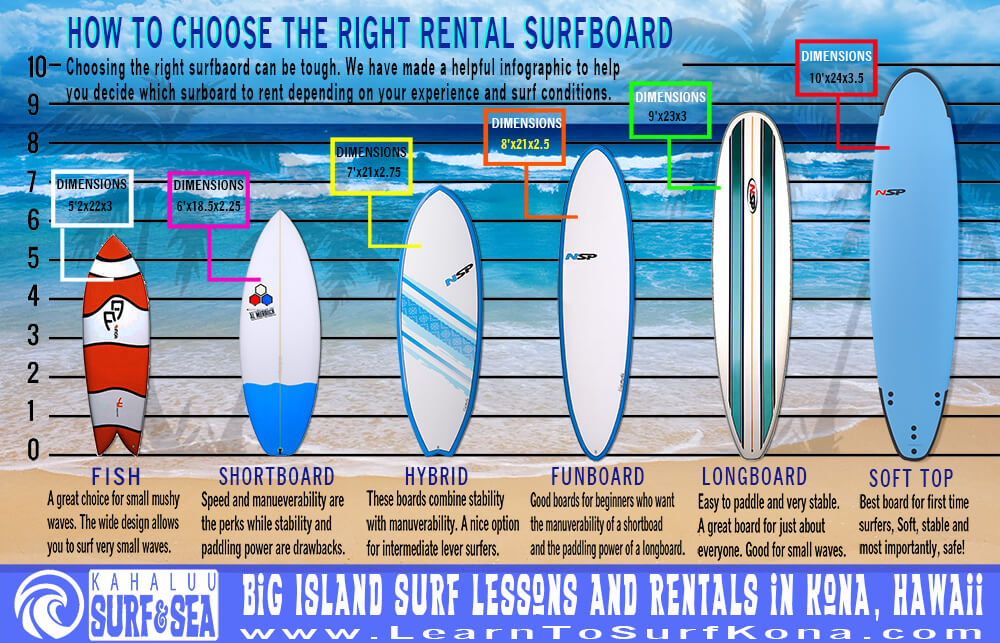
Choosing the right board shapes your experience on water. Both longboards and surfboards have unique designs. These differences affect how you ride and control each board. Understanding the features helps you decide which suits your style better.
Longboard Features
Longboards are larger and longer than typical surfboards. They usually measure 8 to 12 feet in length. This size provides excellent stability on the water. The wide shape makes balancing easier, especially for beginners. Longboards have a rounded nose that aids in smooth paddling. Their design allows riders to catch waves early and ride gently. These boards are perfect for slow, stylish surfing and cruising on small waves.
Surfboard Features
Surfboards are shorter and narrower than longboards. Their length ranges from about 5 to 7 feet. This compact design allows quick turns and fast maneuvers. Surfboards often have pointed noses to cut through waves efficiently. They perform well in steep, powerful waves and are ideal for advanced tricks. The lighter weight helps surfers respond quickly to changing wave conditions. These boards suit those who want speed and agility in the water.

Credit: www.youtube.com
Riding Experience
The riding experience on a longboard and a surfboard differs a lot. Each board gives a unique feel on the water. Understanding these differences helps you pick the right board for your style and skill level.
Both boards offer fun and excitement, but in distinct ways. The shape, size, and design affect how you balance, turn, and ride waves. Let’s explore the main aspects of the riding experience for both boards.
Stability And Balance
Longboards are longer and wider, making them very stable. They help riders stay balanced easily. This is perfect for beginners or anyone who wants smooth, steady rides. Surfboards are shorter and narrower. They require more skill to keep balance, but allow quicker reactions on waves.
Maneuverability
Surfboards are lighter and shorter, so they turn faster. This lets riders make quick, sharp moves on the wave face. Longboards turn more slowly due to their size and weight. They are better for wide, flowing turns but less suited for fast, tight maneuvers.
Wave Riding Styles
Longboards suit a relaxed, graceful style. Riders often glide smoothly and perform nose rides. Surfboards fit a more aggressive style. Riders chase speed and perform tricks like cutbacks and snaps. Each board supports different ways to enjoy the waves.
Skill Levels
Skill levels play a big role in choosing between a longboard and a surfboard. Each board suits different experience levels and surfing styles. Understanding this helps surfers pick the best board for their ability.
Longboards offer more stability and easier balance. This makes them ideal for beginners who need confidence on the water. Surfboards, especially shorter ones, require quicker movements and stronger skills. Advanced surfers often prefer them for fast, sharp turns and tricks.
Beginners And Longboards
Longboards are perfect for those new to surfing. Their larger size provides a stable platform. This stability helps beginners catch waves more easily. Paddling feels less tiring because of the board’s buoyancy. Beginners can focus on learning wave timing and standing up. Longboards allow a smooth, gentle ride, making the learning curve less steep. They are forgiving of small mistakes, which builds confidence quickly.
Advanced Surfing Techniques
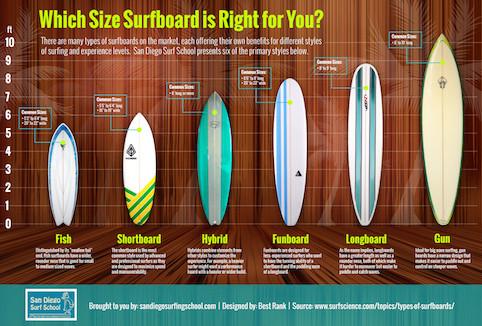
Experienced surfers use surfboards for more dynamic moves. Shorter boards respond faster to shifts in weight and direction. This responsiveness allows advanced surfers to carve sharp turns and perform aerial tricks. Surfboards suit surfers who want to challenge themselves on powerful waves. Skillful paddling and balance are crucial to control these boards. Advanced techniques include quick drop-ins, cutbacks, and tube riding. Mastering these moves requires practice and good wave knowledge.
Credit: www.sandiegosurfingschool.com
Safety And Regulations
Safety and regulations play a key role in enjoying both longboarding and surfing. Each sport has specific rules and safety tips to keep riders and surfers protected. Understanding these guidelines helps prevent accidents and ensures a fun experience. This section covers important laws for longboarding and safety tips for surfing.
Longboarding Laws
Longboarding laws vary by location. Many places treat longboarders like pedestrians or cyclists. Riders must follow traffic signals and road signs. Wearing a helmet and protective gear is often required or highly recommended. Some cities ban longboards on busy roads or restrict them to bike lanes. Always check local rules before riding on streets. Riding against traffic is unsafe and usually illegal. Stay on sidewalks or designated paths if possible. Safety is a priority to avoid accidents and injuries.
Surfing Safety Tips
Surfing requires awareness of ocean conditions. Check weather and wave reports before entering the water. Always use a leash to keep the surfboard close. Wear suitable wetsuits for cold water to avoid hypothermia. Never surf alone; having a buddy increases safety. Respect local surf etiquette to avoid collisions. Keep an eye on other surfers and swimmers. Learn how to fall safely to prevent injuries. Avoid surfing near rocks or reefs. Knowing your skill level helps prevent dangerous situations.
Choosing Your Ride
Picking between a longboard and a surfboard shapes your wave experience.
Each board offers a unique feel and suits different styles and waves.
Consider several factors before making your choice to enjoy every session.
Personal Preferences
Think about how you want to surf. Do you enjoy smooth, relaxed rides? Longboards offer stability and ease. Do you like fast, sharp turns? Surfboards are agile and quick.
Your skill level matters too. Beginners often find longboards easier to balance on. Advanced surfers may prefer the challenge of a shorter board.
Local Conditions
Wave size and shape affect which board fits best. Small, gentle waves suit longboards well. They help catch waves early and glide smoothly.
Steep, powerful waves call for surfboards that respond quickly. They let you maneuver sharply and stay in control on fast waves.
Check the surf spot often. Some beaches favor one type of board more than the other.
Board Size And Shape
Longboards are longer and wider. This size adds stability and flotation. They work great for cruising and noseriding.
Surfboards are shorter and narrower. Their shape allows quick turns and tricks. They suit surfers who want speed and agility.
Choose a size that matches your height and weight. A proper fit improves your balance and wave-catching ability.
Maintenance Tips
Maintaining your board extends its life and keeps performance smooth. Both longboards and surfboards need regular care to stay in top shape. Simple steps prevent damage and costly repairs. Clean, store, and inspect your board often for the best results.
Longboard Care
Wipe your longboard with a damp cloth after each use. Remove dirt and dust to avoid wear. Check the trucks and wheels for tightness. Loose parts can cause accidents. Store the board in a cool, dry place away from direct sunlight. Heat can warp the deck and weaken glue. Avoid leaving the board in a car trunk for long periods. Inspect the deck for cracks or chips regularly. Sand small rough spots to prevent splinters. Replace worn wheels to maintain smooth rides. Lubricate bearings to keep them spinning freely.
Surfboard Care
Rinse your surfboard with fresh water after every session. Saltwater can damage the board’s surface over time. Dry the board completely before storing to avoid mold. Store your surfboard in a padded bag to protect it from dings. Keep it out of direct sunlight to prevent yellowing and warping. Check for cracks or dings after each use. Repair any damage quickly to avoid water seeping inside. Use a board wax remover and reapply fresh wax regularly for better grip. Avoid sitting or standing on your surfboard on hard surfaces to prevent pressure dents.
Frequently Asked Questions
Is Longboarding Easier Than Surfing?
Longboarding feels easier due to its stability and slower speed. Surfing demands more balance and wave-reading skills.
What’s The Difference Between a Longboard And a Surfboard?
Longboards are longer, more stable, and easier for beginners. Surfboards are shorter, lighter, and designed for quick, agile maneuvers.
Is It Illegal To Ride A Longboard On The Road?
Riding a longboard on the road legality varies by some locations. Many places allow it in bike lanes or as pedestrians. Always check local laws, wear protective gear, follow traffic rules, and avoid busy streets for safety.
Are Longboards Good For Beginners Surfing?
Longboards suit beginners well due to their stability and larger size. They help catch waves easily and improve balance quickly.
Conclusion
Choosing between a longboard and a surfboard depends on your style and skill level. Longboards offer stability and ease, great for beginners or relaxed rides. Surfboards provide speed and agility, suited for experienced surfers chasing quick maneuvers. Both bring fun and challenge in the water.
Consider your goals, the waves you ride, and what feels right. Enjoy the ocean and keep practicing to improve. Whether on a longboard or surfboard, the joy of surfing remains the same.

