
If you’re new to longboarding or just upgrading your setup, knowing how to properly put longboard trucks on your deck is key to a smooth ride. Getting the trucks right isn’t just about attaching parts—it’s about setting yourself up for better control, stability, and confidence every time you hit the pavement.
In this guide, you’ll learn exactly how to mount your longboard trucks step-by-step, avoid common mistakes, and understand why the direction and placement of your trucks matter so much. Ready to build your perfect longboard? Let’s dive in and get those trucks installed the right way.
Truck Types
Choosing the right truck type is key to a smooth longboarding experience. Trucks connect the wheels to the deck and affect how your board turns and rides. There are two main truck types to consider: standard trucks and reverse kingpin trucks. Each type suits different riding styles and board setups.
Standard Trucks
Standard trucks are common on regular skateboards. They have the kingpin bolt facing inward, towards the board’s center. This design helps with quick turns and tricks. The hanger, the metal part holding the wheels, faces outward. Standard trucks offer tight control and quick responsiveness. They are best for street skating and technical riding. If you like sharp turns or tricks, these trucks are a good choice.
Reverse Kingpin Trucks
Reverse kingpin trucks (RKP) have the kingpin facing outward, away from the board’s center. This setup gives more stability and smoother turns at high speeds. RKP trucks are popular for longboards used in cruising, downhill, and carving. They offer a wider turning radius and better balance. These trucks are ideal for riders who want a stable and comfortable ride on longer distances.
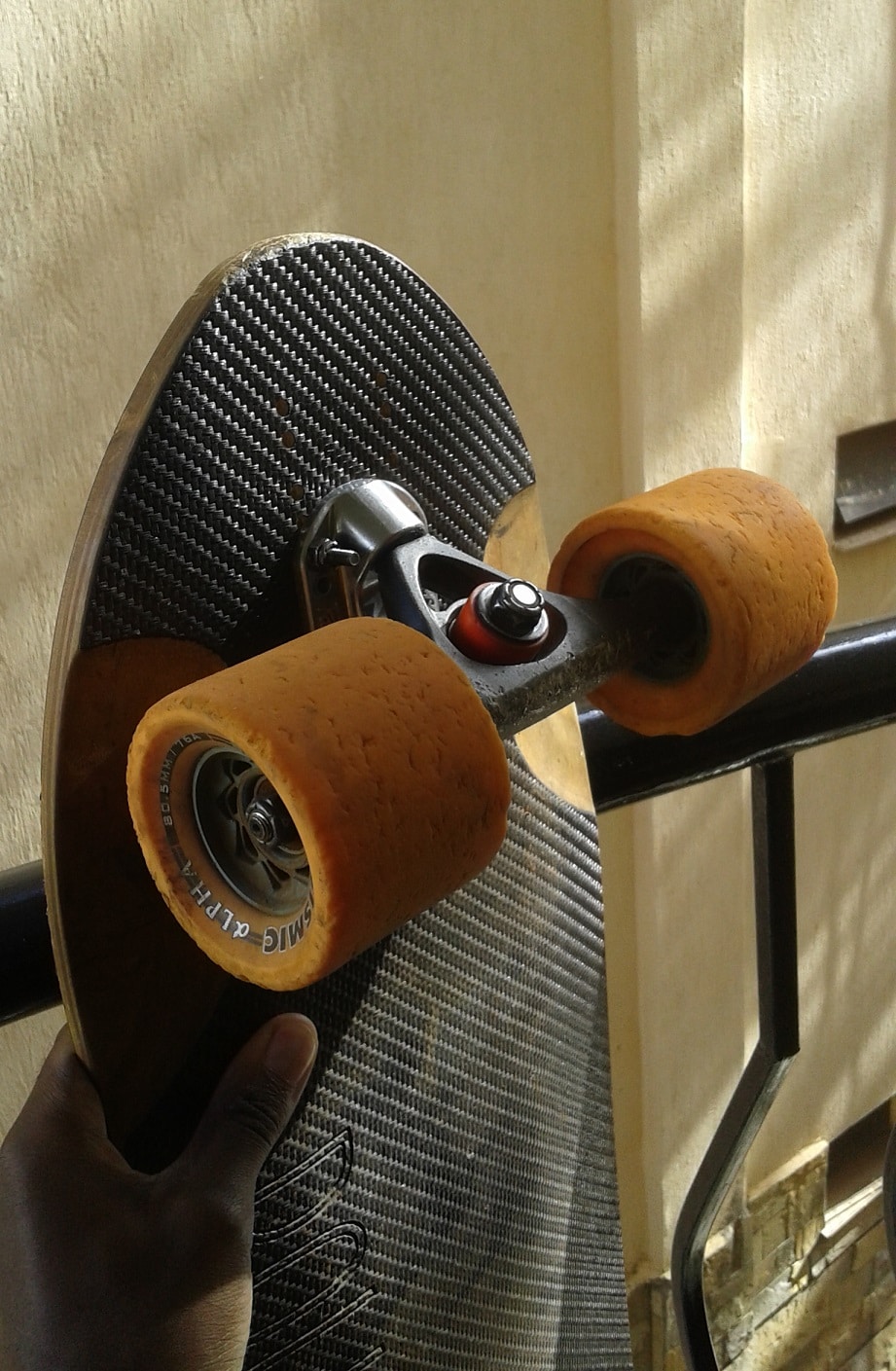
Credit: downhill254.com
Truck Orientation
Proper truck orientation is crucial for safe and smooth longboard riding. It affects how your board turns and handles. Understanding the direction of the kingpin helps you mount trucks correctly. This section explains the kingpin direction for different board types. Follow these tips to align your trucks the right way.
Kingpin Direction For Street Boards
On street skateboards, the kingpins face inward. They point toward the center of the board. This means the large bolt and bushings on each truck turn to face each other. The hangers, which hold the wheels, face outward. This setup helps riders perform tricks with better control and turning ability.
Mount your trucks so the kingpin bolts align inside. Check that the holes on the baseplate match your deck. Tighten the kingpin nuts until snug but flexible. Correct kingpin orientation improves balance and responsiveness during street skating.
Kingpin Direction For Longboards
Longboards usually have reverse kingpin trucks (RKP). The kingpins face outward, away from the board’s center. This design adds stability at high speeds. It also allows smoother carving and easier turning on long rides.
Place the trucks so the kingpin bolts point toward the nose and tail of the board. Make sure the bushings and washers fit properly before tightening. This outward kingpin setup keeps your longboard steady on hills and open roads.
Gathering Tools
Before attaching longboard trucks, gather the right tools. This step saves time and prevents mistakes. Having everything ready makes the process smooth and easy.
Essential Tools For Mounting Longboard Trucks
You need a skate tool or a wrench set to fit the nuts and bolts. A screwdriver, usually a Phillips head, helps with screws. These are the basic tools to get started.
Choosing The Right Size Tools
Check the size of your truck bolts. Most use 3/8 inch or 10mm nuts. Make sure your wrench or skate tool matches. Using the wrong size can strip the bolts or damage parts.
Additional Items To Have On Hand
Keep some spare hardware like extra nuts and bolts. A cloth or rag is useful for cleaning parts. A small container to hold screws and nuts prevents losing them during work.

Credit: www.youtube.com
Removing Old Trucks
Removing old trucks from your longboard is the first step before installing new ones. It helps to have a clean deck and fresh trucks for better performance. The process is simple and requires just a few tools.
Take your time to avoid damaging the board or hardware. Follow these steps to remove the trucks safely and efficiently.
Gather Necessary Tools
Start by collecting the tools you need. A skate tool or a socket wrench set works best. You will also need a screwdriver if your bolts have Phillips heads. Having all tools ready speeds up the process.
Unscrew The Mounting Bolts
Flip your longboard upside down on a flat surface. Hold the nut with the skate tool or wrench. Turn the bolt counterclockwise with the screwdriver. Remove all four bolts holding each truck to the deck.
Keep the nuts and bolts in a safe place. You might need them later for the new trucks.
Remove The Trucks From The Deck
After all bolts come off, gently lift the trucks from the board. If the trucks stick, wiggle them slightly. Avoid using too much force to prevent damage to the board or hardware.
Check the deck for any damage or dirt. Clean the mounting area to prepare for the new trucks.
Aligning The Trucks
Aligning the trucks is a vital step in installing longboard trucks. Proper alignment ensures smooth turns and balanced control. Misaligned trucks can cause instability and uneven wear on your wheels. Take your time to position the trucks correctly for the best ride experience.
Positioning The Baseplate
Place the baseplate flat against the underside of the longboard deck. Make sure the kingpin, the large bolt at the center, faces the correct direction. For reverse kingpin trucks, the kingpin usually points outward, away from the board’s center. Check that the baseplate sits evenly without gaps or rocking.
Matching The Holes
Align the holes in the truck’s baseplate with the holes on the deck. Each hole must line up perfectly to allow secure mounting. Use the screws to test fit before tightening. If holes don’t match, reposition the truck or check for the right hardware. Proper hole alignment prevents loose trucks and keeps your longboard safe to ride.
Installing Bushings And Washers
Installing bushings and washers is a key step in putting longboard trucks on your board. These small parts control how your board turns and feels. Proper installation ensures smooth rides and good control.
Bushings fit around the kingpin and act as cushions. Washers sit next to bushings to protect them and keep everything in place. Both parts work together to balance flexibility and stability.
Choosing The Right Bushings
Select bushings based on your riding style and weight. Softer bushings offer easier turns but less stability. Harder bushings provide more control but require more effort to turn. Check the size to match your trucks’ kingpin.
Placing The Bushings Correctly
Start by sliding the bottom bushing onto the kingpin. Make sure it sits flat against the baseplate. Next, add the hanger over the kingpin. Then, place the top bushing on the kingpin above the hanger. The bushings should fit snugly without gaps.
Adding Washers For Support
Place one washer below the bottom bushing if it’s not built-in. Add another washer on top of the top bushing. Washers prevent the bushings from wearing out fast. They also help the trucks turn smoothly.
Tightening The Kingpin Nut
Thread the kingpin nut onto the kingpin above the top washer. Tighten it until the bushings are secure but not overly compressed. The trucks should move with some resistance. Avoid tightening too much, or the board will feel stiff.
Securing Kingpin Nuts
Securing the kingpin nuts is a crucial step when mounting longboard trucks. The kingpin nut holds the truck’s bushings and hanger firmly in place. Properly securing this nut ensures your trucks function smoothly and safely. Too loose, and your trucks will wobble. Too tight, and your turns will feel stiff and unresponsive.
Focus on getting the right balance. This process affects how your longboard handles on different terrains and speeds. Follow these steps carefully for the best results.
Tightening To a Snug Fit
Start by placing the kingpin nut onto the kingpin bolt. Use a skate tool or wrench to turn it clockwise. Tighten it until it feels snug but not overly tight. The goal is to hold the bushings and hanger firmly without crushing the bushings.
Check for any play in the trucks by giving the hanger a gentle shake. It should feel secure and stable. Avoid over-tightening as it can damage the bushings and reduce your board’s turning ability.
Adjusting For Turning
Adjust the kingpin nut to control how your longboard turns. Loosen the nut slightly to allow easier turning and more flexibility. Tighten it to get a stiffer, more stable ride, especially at high speeds.
Test your adjustments by riding on a flat surface. Fine-tune the nut until you find the perfect balance between stability and maneuverability. This small tweak can greatly improve your longboard experience.

Credit: www.youtube.com
Mounting Trucks On Drop-through Boards
Mounting trucks on drop-through longboards requires careful steps for stability and control. Drop-through boards have cutouts where the trucks pass through the deck. This design lowers the board’s center of gravity, improving balance and ease of pushing.
Proper alignment and secure attachment of trucks are essential. Incorrect mounting can cause poor handling and unsafe rides. Follow these instructions to mount trucks correctly on drop-through longboards.
Prepare Your Tools And Parts
Gather all necessary tools before starting. You will need a screwdriver or drill, a skate tool or wrench, and new hardware if replacing old bolts. Check that your trucks fit the drop-through cutouts on your board.
Position The Trucks Through The Cutouts
Place each truck’s baseplate through the drop-through holes from the top side of the deck. The hanger and wheels should hang below the deck. Align the bolt holes on the baseplate with the holes in the deck.
Secure The Baseplate With Bolts
Insert bolts through the baseplate and deck holes. Tighten the nuts on the underside. Tighten bolts evenly to avoid warping the deck or loosening the trucks. Use hand strength first, then a skate tool for a snug fit.
Check Kingpin Orientation
The kingpin should face inward toward the center of the board. This orientation ensures proper turning response. Confirm that both trucks mirror each other’s kingpin direction for balanced control.
Test For Tightness And Alignment
After mounting, check that the trucks do not wobble. Push down on the trucks and adjust the tightness if needed. The trucks should turn smoothly without excessive play or stiffness.
Checking Truck Setup
Checking the truck setup is a crucial step after mounting your longboard trucks. This ensures your board rides smoothly and safely. Proper setup affects how your board turns and stays stable. Take time to inspect the orientation and test the performance before riding.
Ensuring Proper Orientation
Place each truck on the board with the kingpin facing correctly. For reverse kingpin trucks, the kingpin should face outward, away from the board’s center. Align the baseplate holes with the deck holes. Tighten the bolts firmly but avoid overtightening. Correct orientation prevents steering problems and uneven wear.
Testing Stability And Turning
After installation, check the trucks’ tightness by rocking the board side to side. Adjust the kingpin nut to control looseness or stiffness. Looser trucks allow sharper turns but less stability. Tighter trucks improve stability but reduce turning ability. Find the balance that suits your riding style. Test turns by leaning gently to each side to feel the response.
Common Mistakes To Avoid
Installing longboard trucks might seem simple, but many beginners make common mistakes. These errors affect your board’s performance and safety. Avoiding these mistakes helps ensure a smooth ride and longer truck life.
Focus on precise alignment, correct tightening, and proper orientation. Each step matters for a secure and functional setup. Below are frequent errors to watch out for.
Incorrect Truck Orientation
Placing trucks backwards reduces control and stability. The kingpin should face outwards on reverse kingpin trucks. This setup improves turning and balance during rides.
Check the direction before bolting the trucks. Misaligned trucks cause poor handling and faster wear on parts.
Overtightening Or Undertightening Bolts
Too-tight bolts restrict truck movement and cause rough turns. Too loose bolts risk trucks detaching or wobbling dangerously. Tighten bolts until snug, but allow some truck pivot.
Use a proper tool for steady pressure. Avoid using excessive force that can strip bolts or damage the deck.
Ignoring Baseplate Alignment
Misaligned baseplates lead to uneven wheel wear and unstable rides. Make sure the truck holes line up perfectly with the deck holes. Adjust carefully before tightening bolts.
Failing this step causes stress on screws and weakens your board’s structure over time.
Skipping Washers And Bushings
Washers and bushings keep trucks responsive and absorb shocks. Forgetting these parts causes noisy, stiff trucks and poor turning ability. Always install bushings and washers as per the manufacturer’s instructions.
Use the right size for your truck model to maintain smooth performance.
Frequently Asked Questions
Which Way To Put On Longboard Trucks?
Mount longboard trucks with kingpins facing outward, away from the board’s center. Align the hanger and tighten the kingpin nut securely. This setup ensures stability and smooth turning for cruising and downhill riding.
How To Put Longboard Trucks On A Skateboard?
Place longboard trucks under the deck with kingpins facing outward. Align baseplate holes with deck holes. Secure with bolts and tighten nuts snugly.
Which Way Do I Put The Truck On A Skateboard?
Place the trucks with kingpins facing inward, toward the board’s center, for standard skateboards. Hangers point outward. For longboards with reverse kingpin trucks, position the kingpins facing outward for stability. Align baseplate holes with deck holes, then secure tightly for proper turning and control.
How To Mount Longboard Wheels?
Place longboard trucks with kingpins facing outward, away from the board center. Align baseplate holes with deck holes. Insert wheels onto axles, add washers, then tighten axle nuts securely. Ensure bushings and kingpin nuts are properly installed. Check wheel spin and truck tightness for safe riding.
Conclusion
Putting longboard trucks on your board is simple with the right steps. Start by aligning the trucks properly, ensuring the kingpins face the correct way. Tighten the nuts just enough to keep the trucks secure but still allow turning. Check that all parts fit snugly without over-tightening.
This setup helps you ride smoothly and safely. Practice makes perfect, so take your time adjusting the trucks to your preferred feel. Enjoy the ride and keep your longboard ready for any adventure.

