
Wondering how many inches a longboard actually measures? Whether you’re just starting or looking to upgrade your ride, knowing the right size is key to getting the best experience.
Your longboard’s length affects everything—from stability to speed and how you handle turns. You’ll discover the common sizes of longboards and learn how to pick the perfect length for your style and needs. Keep reading to find the answer that will help you glide smoother and ride smarter every time.
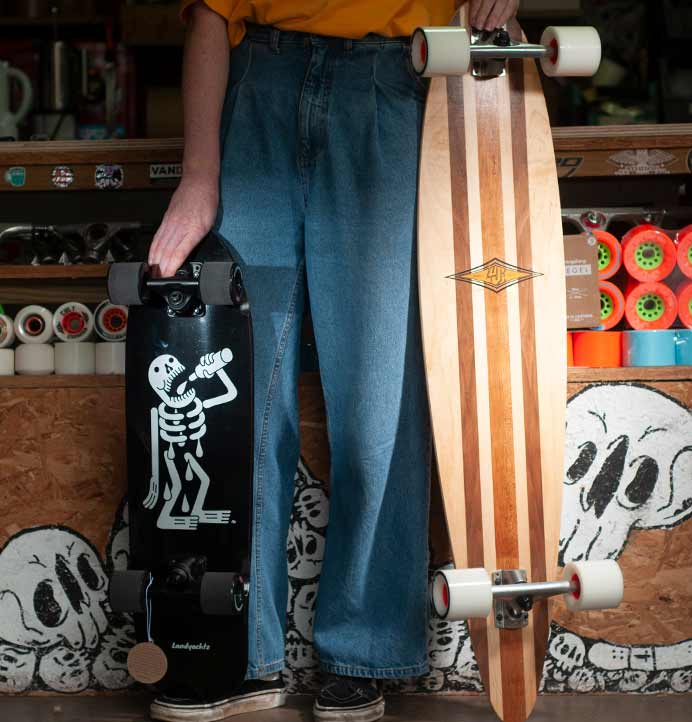
Credit: vandemlongboardshop.co.uk
Longboard Lengths
Longboard lengths vary widely depending on the type and use. Choosing the right length affects control, comfort, and style. Understanding different sizes helps riders pick the best board for them.
Longboards typically range from about 33 inches to over 60 inches. Length influences stability and maneuverability. Let’s explore common sizes and how length relates to rider height and riding style.
Standard Longboard Sizes
Most longboards fall between 33 and 44 inches long. This range suits beginners and casual riders well. Shorter boards, around 33 to 36 inches, are easier to turn and carry.
Longboards over 40 inches offer more stability at high speeds. They are common for downhill and cruising styles. Some specialized boards can exceed 50 inches for dancing or long-distance riding.
Length And Rider Height
Rider height helps determine the best longboard length. Taller riders often prefer longer boards for better balance. Shorter riders might choose boards closer to 33-38 inches for easier control.
For riders under 5’5”, boards from 33 to 37 inches work well. Those between 5’6” and 6’0” may prefer 38 to 42 inches. Over 6’0”, boards 43 inches or longer provide extra stability.
Length For Different Styles
Different riding styles call for specific longboard lengths. Cruiser boards are usually 33 to 38 inches for easy turning and portability. Downhill boards often range from 38 to 44 inches for speed and stability.
Dancing longboards are longer, typically 42 to 60 inches. This length allows for more foot movement and complex tricks. Freestyle boards vary but often fall between 36 and 42 inches for versatility.
Longboard Widths
The width of a longboard plays a key role in the riding experience. It affects comfort, control, and stability. Longboards come in many widths, usually between 7 and 10 inches. Choosing the right width depends on factors like shoe size and riding style. Understanding these details helps riders pick the best board for their needs.
Width And Shoe Size
A longboard’s width should match your shoe size. Wider boards suit bigger shoes. They give more room for your feet. Narrow boards work better for smaller shoes. This fit helps maintain balance and control. Standing on the right width feels natural and secure.
Influence On Stability
Wider longboards offer more stability. They feel steady when riding fast or downhill. Narrow boards are less stable but easier to turn. Stability is important for beginners and downhill riders. Experienced riders may prefer less width for tricks and carving.
Width Preferences By Riding Style
Different styles need different widths. Cruising riders like boards 8 to 10 inches wide. They want a smooth, stable ride. Freestyle riders choose boards around 7 to 8 inches wide. These are lighter and more flexible. Downhill riders prefer wide boards for strong footing. Dancing longboards are wide too, for footwork space.
Types Of Longboards
Longboards come in various shapes and sizes, each designed for specific riding styles. Choosing the right type depends on how you plan to use your board. The size in inches often varies with the board’s purpose, affecting control and comfort.
Cruising Longboards
Cruising longboards are perfect for smooth rides and easy transportation. They usually measure between 33 and 42 inches. These boards offer stability and a comfortable stance for beginners and casual riders.
Freestyle And Dancing Boards
Freestyle and dancing boards are longer, often ranging from 40 to 46 inches. Their length allows riders to perform tricks and dance moves. These boards are flexible and light, making them ideal for creative riding styles.
Downhill And Racing Boards
Downhill and racing boards are built for speed and control. They typically measure from 36 to 44 inches. These boards have a stiff deck and low center of gravity to enhance stability at high speeds.
Choosing The Right Size
Choosing the right size longboard is essential for a smooth ride. The size affects your balance, control, and comfort. Picking a board that fits your needs helps you enjoy longboarding more. The right size depends on how and where you plan to ride. Your skill level also plays a big role in choosing the perfect board length and width.
Matching Size To Riding Purpose
Different styles of riding need different board sizes. For cruising and commuting, longer boards between 38 and 42 inches work well. These boards offer stability and smooth rides on flat roads. For downhill or fast riding, shorter boards around 33 to 36 inches give better control. Dancing and freestyle riders often choose boards longer than 40 inches for extra foot space. Picking the right size based on your riding style improves your experience.
Adjusting For Skill Level
Beginners should start with longer and wider boards. These boards provide more balance and easier control. New riders feel safer on boards 38 inches or longer. Skilled riders can go for shorter, narrower boards. These boards allow quicker turns and tricks. Adjust your longboard size as your skill grows. Comfort and confidence increase when your board fits your ability.
Common Size Mistakes
Choosing a board too short can make riding unstable. It may cause you to lose balance easily. Boards that are too long may be hard to control and heavy. Some riders pick boards without thinking about their height or shoe size. This leads to discomfort and poor performance. Avoid these mistakes by knowing your body size and riding needs. A well-sized longboard keeps your rides smooth and fun.
Longboard Vs Skateboard Sizes
Choosing between a longboard and a skateboard often starts with understanding their size differences. Size affects comfort, control, and the riding style suited for each board. Both boards serve different purposes, and riders pick them based on their needs and preferences. Let’s explore how sizes vary and what impact this has on your ride.
Size Differences Explained
Longboards usually measure between 33 and 60 inches in length. Skateboards tend to be shorter, around 28 to 33 inches. Longboards are wider, often 9 to 10 inches, while skateboards range from 7.5 to 8.5 inches. The extra length and width of longboards provide stability and ease during cruising. Skateboards’ compact size makes them easier for tricks and quick turns.
Impact On Performance
Longboards excel in smooth rides and downhill speed. Their size helps absorb road bumps better. Skateboards shine in street skating and performing tricks. Their smaller size allows for faster flips and tight maneuvers. Larger longboards are less agile but offer a steady ride. Smaller skateboards are less stable but highly responsive for tricks.
Which Size Suits You Better
Choose a longboard if you want relaxed cruising and longer rides. Pick a skateboard for trick riding and skatepark fun. Taller riders often prefer longer boards for balance. Shorter riders may find smaller boards easier to control. Your riding style and comfort matter most in selecting the right size.

Credit: goldcoastlongboards.com.au
Longboard Size And Performance
Longboard size plays a key role in how it performs on the road. Different sizes affect speed, stability, and control. Choosing the right size helps riders enjoy their longboarding experience. Size includes length and width, each influencing handling and comfort.
Understanding how length and width change performance helps in picking the best board. The size must match the rider’s style and skill level for a smooth ride.
How Length Affects Speed
Longer boards usually move faster and feel more stable. They cover more ground with each push. This makes them good for cruising and downhill rides. Shorter boards are slower but easier to control. They work well for tricks and city riding.
Width And Maneuverability
Wider boards offer more foot space and balance. They help beginners feel steady and safe. Narrow boards allow quicker turns and sharper moves. This suits riders who want to weave through traffic or do tricks. Width affects how the board reacts to foot pressure.
Balancing Size And Control
Finding the right mix of length and width is key. Too long or too wide can make the board hard to steer. Too short or narrow may feel unstable. Riders should pick a size that fits their height and riding goals. Proper size improves comfort and confidence on the board.
Measuring Your Longboard
Measuring your longboard is essential to understanding its size and fit for your style. Accurate measurements help you pick the right board or compare it with others. Knowing the exact length, width, wheelbase, and concave improves your riding experience. Follow simple steps to measure your longboard correctly and easily.
Tools For Accurate Measurement
Use a tape measure or ruler for precise results. A flexible tape measure works best for curved surfaces. A flat surface helps keep the board steady during measuring. Have a pen and paper ready to note down the numbers. Avoid using rough estimates to get the right size.
Measuring Length And Width
Measure the length from the tip of the nose to the end of the tail. Keep the tape straight along the board’s center line. For width, measure the widest point across the deck. This is usually near the middle of the board. Write down both length and width in inches for easy reference.
Checking Wheelbase And Concave
The wheelbase is the distance between the two trucks’ mounting holes. Measure from the center of the front truck holes to the rear truck holes. The concave is the curve across the board’s width. Check this by running your hand across the deck’s surface. A deeper concave gives more foot grip and control.
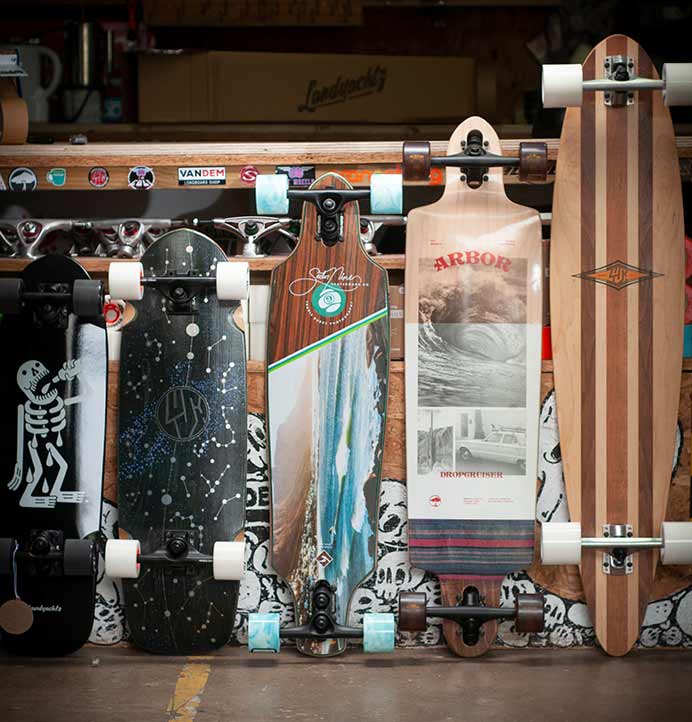
Credit: vandemlongboardshop.co.uk
Longboard Size Trends
Longboard size trends show how riders pick their boards. Sizes change with style, skill, and purpose. Choosing the right length affects balance and control. The longboard market adapts to new ideas and rider needs.
Popular Sizes Among Riders
Most riders choose longboards between 36 and 42 inches. This range offers good stability and easy turning. Beginners often pick boards around 40 inches for comfort. Shorter boards, near 33 inches, suit tricks and quick moves. Longer boards over 42 inches help with downhill speed and smooth rides.
Emerging Size Innovations
New designs mix length with shape for better performance. Compact longboards under 34 inches are gaining popularity in cities. These small boards are light and easy to carry. Some longboards now have adjustable lengths to fit different styles. Manufacturers experiment with wider decks for more foot space.
Size Preferences By Region
In the United States, riders prefer boards around 40 inches. European riders often choose shorter boards for urban skating. Australia favors longer boards for cruising and surfing alike. Asian markets show a rise in compact longboards for city use. Climate and terrain influence size choices worldwide.
Frequently Asked Questions
What Is The Size Of A Normal Longboard?
A normal longboard typically measures between 33 and 60 inches in length. Width ranges from 8 to 10 inches, offering stability and control. Sizes vary by style and rider preference.
Is A 28 Inch Skateboard Too Small?
A 28-inch skateboard suits younger or smaller riders. It offers better control but limits stability for larger riders. Choose based on height and riding style.
Is 8 Ft A Longboard?
Yes, an 8-foot board qualifies as a longboard. Longboards typically range from 7 to 10 feet in length.
Is A 36 Inch Longboard Good?
A 36-inch longboard suits beginners and city cruising. It offers good control and portability but less stability than longer boards.
Conclusion
Longboards usually measure between 33 and 59 inches long. The size depends on your height, style, and riding needs. Shorter boards offer better tricks and control. Longer boards provide stability and smooth rides. Choose a size that feels comfortable and fits your skill level.
Remember, the right longboard makes riding more fun and safer. Explore different sizes before making a decision. This way, you will enjoy your longboarding experience to the fullest.

