
If you want to ride waves with style and ease, longboard surfing might just be your perfect match. Whether you’re stepping on a board for the first time or looking to sharpen your skills, these tips for longboard surfing will help you glide smoothly across the water.
Imagine feeling the ocean beneath your feet, mastering balance, and catching waves with confidence — that’s exactly what you’ll learn here. Ready to transform your surfing experience? Keep reading to discover simple yet powerful techniques that will take your longboard sessions to the next level.
Gear Essentials
Having the right gear is vital for a good longboard surfing experience. Choosing the correct equipment helps you stay safe and enjoy the waves better. Each item plays a role in improving your balance, control, and comfort on the board. Knowing what gear to pick prepares you for different water and wave conditions.
Choosing The Right Longboard
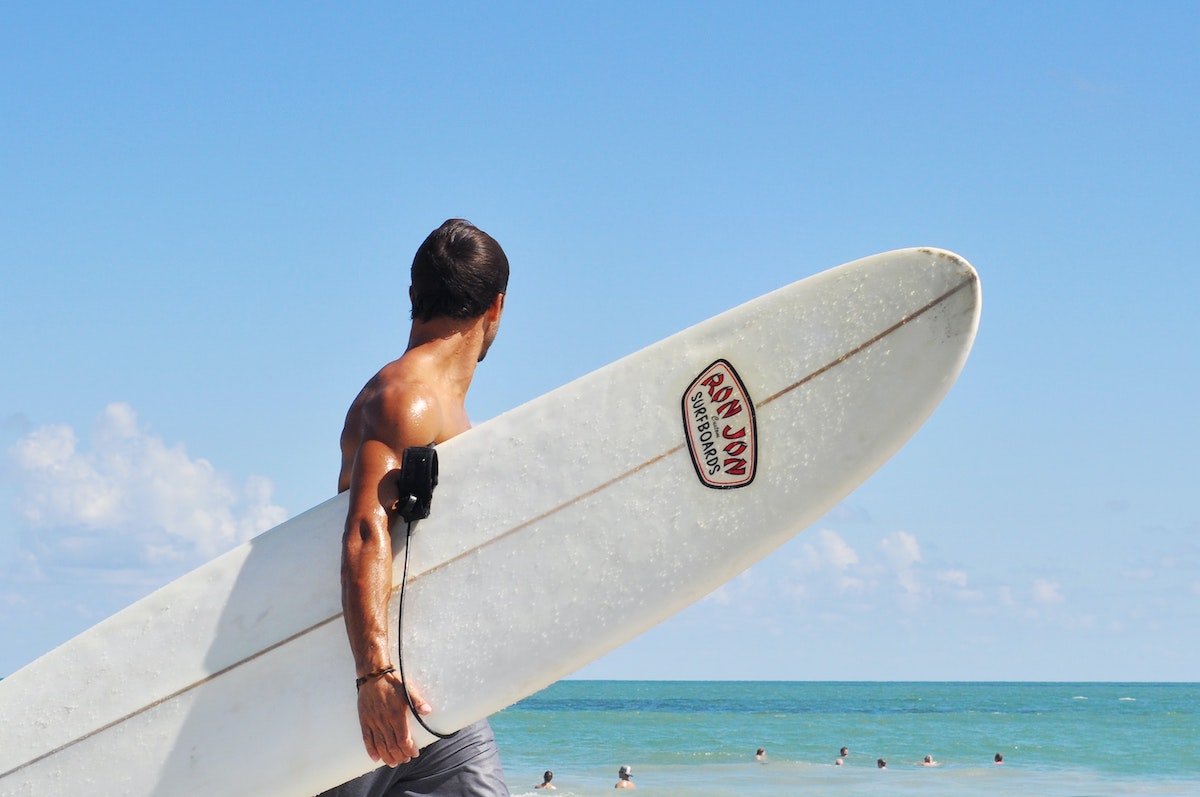
Select a longboard that matches your skill and wave type. Beginners benefit from boards 9 to 10 feet long for stability. Look for a wide nose and tail to help with balance. Foam boards are great for learning, as they are lightweight and forgiving. Pick a board with good buoyancy to float easily on small waves.
Wax And Traction Tips
Wax keeps your feet from slipping on the board. Use surf wax suited for the water temperature you surf in. Apply the wax evenly, focusing on areas where your feet will rest. Some surfers add traction pads for extra grip. Keep your wax clean and replace it regularly for the best hold.
Leash And Safety Gear
A leash connects you to your board, preventing loss after a fall. Choose a leash length close to your board size. Make sure it is strong and durable to handle rough waves. Wearing a rash guard or wetsuit protects your skin from sun and board rash. Consider a helmet if surfing in rocky or crowded spots.
Foot Placement
Foot placement is crucial for longboard surfing. It affects balance, control, and maneuverability. Proper positioning helps you stay steady and react quickly to waves. Small adjustments can improve your ride and comfort on the board.
Stance Basics
Stand with your feet shoulder-width apart. Place your front foot near the board’s center. Your back foot should rest near the tail. Keep your knees slightly bent for flexibility. This stance provides a solid base for surfing.
Pushing Techniques
Push with your back foot while your front foot stays steady. Keep your toes pointing forward for a better grip. Use smooth, steady pushes to gain speed. Avoid pushing too hard to maintain balance. Practice pushing on flat water to build confidence.
Weight Distribution
Distribute your weight evenly between both feet. Lean slightly forward to keep control during acceleration. Shift your weight to the back foot to slow down or turn. Keep your body relaxed to respond to wave changes. Good weight control improves stability and flow.
Wave Selection
Wave selection is key for longboard surfing success. Choosing the right wave makes riding easier and more fun. Waves that suit your skill level help you practice and improve faster. Understanding how waves form and break lets you pick the best ones to ride. Timing and position also depend on the wave you select. This section covers tips on picking suitable waves, reading wave patterns, and timing your takeoff.
Picking Suitable Waves
Choose waves that are gentle and rolling for longboarding. Small to medium waves give better balance and control. Avoid fast and steep waves that are hard to catch. Look for waves with a smooth face to glide on. Waves breaking slowly offer more ride time. Picking the right wave helps build confidence and skill.
Reading Wave Patterns
Watch how waves move toward the shore before paddling. Waves often come in sets, with some bigger than others. Notice where waves start to break and how they change shape. Look for patterns in the swell direction and wind. This helps predict the best place to catch a wave. Reading waves well means fewer missed rides and better positioning.
Timing Your Takeoff
Start paddling early to match the wave’s speed. Paddle hard but stay relaxed and steady. Catch the wave just as it lifts you up. Stand up smoothly and quickly to keep balance. Poor timing can cause you to miss the wave or fall. Practice timing to get on the wave with enough speed and control.
Cross-stepping
Cross-stepping is a key skill in longboard surfing. It helps surfers move smoothly along the board. This technique allows shifting weight and changing positions with ease. Cross-stepping keeps the balance and flow on the wave. Learning it improves control and style on the longboard.
Smooth Movement Tips
Take slow, steady steps when cross-stepping. Keep your movements calm and controlled. Place each foot carefully to maintain balance. Avoid rushing or sudden moves that cause instability. Focus on fluid motion from one step to the next. Practice on flat ground before trying waves. This builds confidence and muscle memory.
Avoiding Wobbles
Keep your knees slightly bent during cross-stepping. This absorbs shocks and helps stay stable. Keep your weight centered over the board. Avoid leaning too far forward or backward. Look ahead, not down at your feet. This improves your focus and balance. Adjust your speed to match wave conditions. Smooth, deliberate steps reduce wobbles and falls.
Transitioning Positions
Cross-stepping lets you move from tail to nose smoothly. Shift your weight slowly as you step forward. Use your arms for balance and direction. Practice moving between stances while riding small waves. This builds skill for bigger, faster waves later. Transitioning well makes your surfing look natural and stylish. It opens up more tricks and maneuvers on the longboard.
Turning Techniques
Turning is key to controlling your longboard on the wave. It lets you change direction smoothly and keep your balance. Good turning makes your ride more fun and stylish. Practice different turning methods to find what suits your style and wave conditions.
Nose Riding Turns
Nose riding is a classic longboard move. To turn while nose riding, shift your weight gently to the front foot. Use your hips and shoulders to guide the board’s direction. Keep your eyes looking where you want to go. Small, smooth movements help keep balance and control.
Bottom Turns
Bottom turns are the foundation of longboard surfing. Start by bending your knees slightly and leaning into the wave’s face. Push down on your toes or heels to angle the board. Use your arms to steer and keep your body aligned. This turn sets you up for bigger maneuvers on the wave.
Pivot And Fakie Moves
Pivot turns involve rotating the board sharply on its center. Shift your weight to the back foot and twist your upper body. This move helps you change direction quickly. Fakie moves mean riding backwards. Practice pivoting to switch stances and add variety to your ride. Both moves require balance and timing.
Speed Control
Speed control is vital in longboard surfing. It helps you ride waves smoothly and stay balanced. Managing your speed lets you enjoy longer rides and perform stylish moves. Understanding how to control speed improves your overall surfing experience.
Trimming Strategies
Trimming means adjusting your position on the board to keep a steady speed. Stay near the center for balance. Move slightly forward to increase speed. Shift back to slow down and stay stable. Small shifts in weight make big changes in speed. Practice smooth, gentle moves for better control.
Generating Momentum
Use your body to create speed by pumping the board. Bend your knees and push down on the wave’s energy. Lean forward and back to build momentum. Keep your movements rhythmic and controlled. This helps you gain speed without losing balance. Momentum helps you catch waves earlier and ride longer.
Using The Wave Face
The wave face offers natural power to control speed. Ride high on the wave to slow down. Drop down the face to gain speed. Follow the wave’s shape to adjust your pace. Use gentle turns to maintain or change speed. Reading the wave lets you surf smarter and smoother.
Advanced Tricks
Advanced tricks in longboard surfing push your skills beyond the basics. They add style and challenge to your ride. Practicing these moves sharpens balance and control. It also helps you enjoy the waves more deeply.
Kick Flip Basics
The kick flip is a popular trick borrowed from skateboarding. It involves flipping the board under your feet while airborne. Start by popping the tail down hard. Then slide your front foot forward and slightly off the edge. This motion spins the board 360 degrees along its axis. Timing and foot placement are key to landing smoothly.
Shove-it And Ghostride
The shove-it is a quick 180-degree spin of the board beneath you. You keep your body facing forward while the board spins. For the ghostride, you jump off the board briefly while it keeps moving. Both tricks require strong balance and confidence. Practice small spins and jumps on flat ground first. Then try them on gentle waves.
Combining Moves Smoothly
Linking tricks creates flow and style in your ride. Start by mastering each move separately. Then practice switching between them without stopping. For example, try a shove-it followed by a smooth cross-step. Keep your movements fluid and controlled. Use the wave’s power to help carry your momentum. Combining moves makes your surfing look natural and fun.
Credit: www.degree33surfboards.com
Balance And Posture
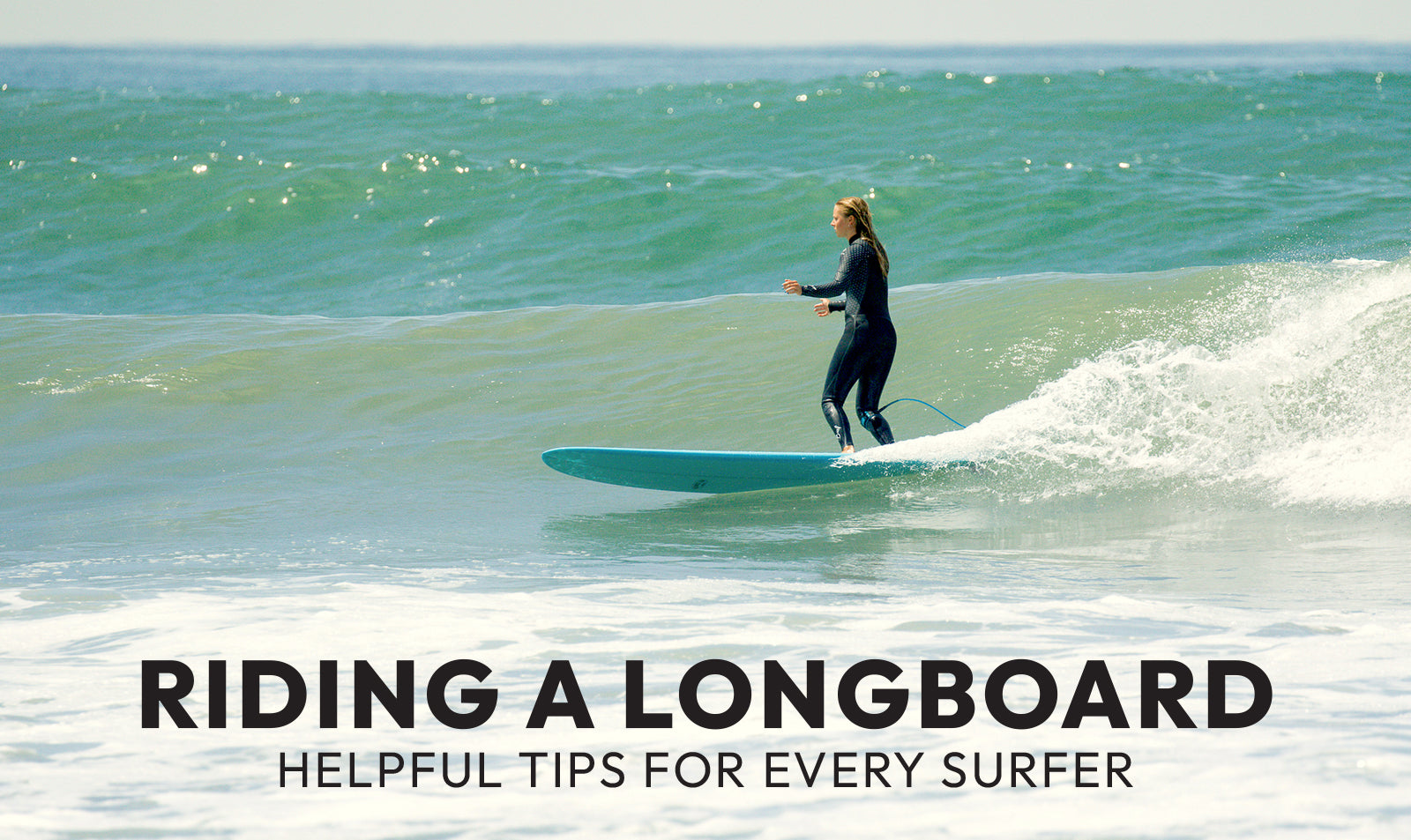
Balance and posture form the foundation of longboard surfing. Maintaining the right stance helps you control the board and ride waves smoothly. Poor balance causes wobbling and falls. Good posture keeps your body ready to react to the wave’s movement.
Focus on how you position your body. Small adjustments can improve stability and comfort. Learning these tips will make your surfing sessions more enjoyable and safer.
Center Of Gravity Tips
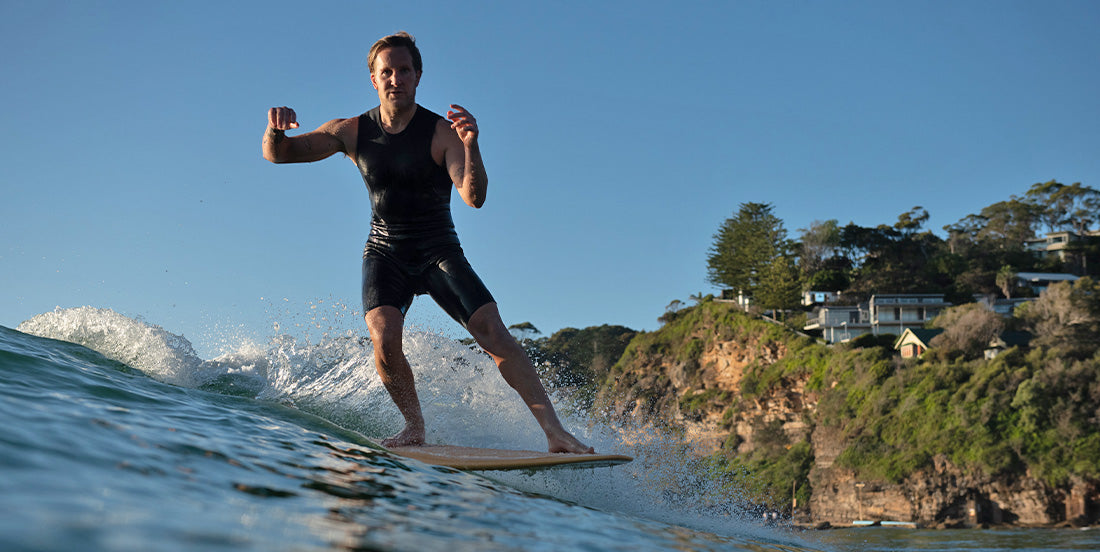
Keep your center of gravity low and centered over the board. Bend your knees slightly to lower your stance. This increases stability and makes it easier to absorb wave movements. Avoid leaning too far forward or backward. Staying balanced helps you ride longer and with more control.
Knee And Shoulder Positioning
Bend your knees gently to stay flexible and ready to move. Keep your shoulders relaxed and aligned with the board’s direction. This position helps with smooth turns and quick adjustments. Avoid stiffening your legs or shoulders. Loose joints allow better balance and flow on the wave.
Body Alignment
Align your head, shoulders, hips, and feet in one straight line. Look ahead rather than down at your feet. This helps your body stay balanced and focused. Proper alignment reduces fatigue and improves your ability to react fast. A strong, aligned posture supports steady riding and better wave control.
Practice Routine
Building a solid practice routine is essential for longboard surfing. Regular practice develops muscle memory and balance. It also boosts confidence on the waves. A focused routine targets specific skills that improve your overall ride. Establish clear goals to keep your sessions productive. Consistency helps turn small gains into lasting progress. This routine will guide you through key areas to practice.
Drills For Stability
Start with balance drills on flat ground. Use a balance board or stand on your longboard. Try holding your stance for 30 seconds without wobbling. Practice shifting weight slowly from the front to the back foot. Add small bends in your knees to absorb movement. Repeat these drills daily to build core strength. Stability on the board reduces falls and improves control.
Improving Cross-stepping
Cross-stepping is vital for smooth movement on the board. Begin by practicing slow, deliberate steps on land. Place one foot in front of the other, crossing over the deck. Keep your weight low and steady to avoid wobbling. Gradually increase speed as you gain confidence. Practice stepping forward and backward to simulate wave riding. Mastering this technique allows for graceful transitions during surfing.
Tracking Progress
Keep a journal or use a surf app to record sessions. Note what drills you practiced and how you felt. Track improvements in balance, speed, and comfort on the board. Take short videos to review your form and foot placement. Set small goals each week to stay motivated. Reviewing progress helps identify areas that need more work. Celebrate milestones to maintain enthusiasm and focus.
Credit: us.surfindustries.com
Frequently Asked Questions
How To Get Better At Longboarding Surfing?
Practice smooth cross-stepping for balance and fluid movement. Keep knees bent and eyes forward. Focus on wave positioning and controlled, deliberate steps. Build core strength and surf regularly to improve timing and confidence on the board.
What Is The Easiest Longboard Trick?
The easiest longboard trick is the pivot. It involves shifting your weight to the nose foot and turning the board smoothly. This trick helps improve balance and control for beginners.
Is It Easier To Surf On A Longboard?
Yes, longboards offer greater stability and a smoother ride, making surfing easier for beginners compared to shortboards.
Which Foot Do You Push With On A Longboard?
Push with your back foot while keeping your front foot firmly on the board for balance and control.
Conclusion
Longboard surfing brings joy with practice and patience. Keep your steps slow and steady. Focus on balance and smooth movements on the board. Enjoy catching waves and learning each new skill. Remember, every surfer improves by spending time in the water.
Stay safe, have fun, and keep riding those waves!

