
If you’re serious about longboarding, understanding how your trucks work is key to unlocking better control and smoother rides. Your longboard trucks aren’t just metal parts holding your wheels—they’re the heart of your board’s movement.
They affect how you turn, carve, and glide over pavement. But what exactly happens when you lean, tilt, or shift your weight? How do those trucks respond to your every move? You’ll discover the simple mechanics behind longboard trucks, why their design matters, and how tweaking them can transform your ride.
Ready to take your longboarding to the next level? Let’s dive in and break down how longboard trucks really work.
Credit: www.longboarderlabs.com
Longboard Truck Basics
Longboard trucks are the metal parts that connect the wheels to the deck. They play a key role in how the board moves and turns. Understanding the basics of longboard trucks helps riders choose the right setup. This section explains the main parts of trucks and how they affect the ride.
Key Components
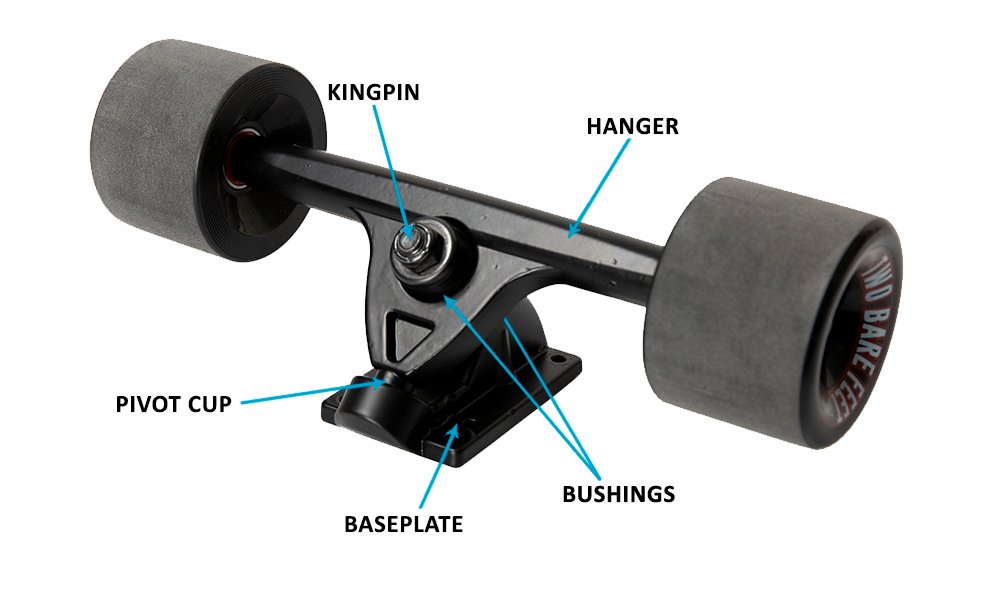
Longboard trucks consist of several important parts. The hanger is the T-shaped part that holds the axle. The axle runs through the hanger and holds the wheels. The baseplate attaches the truck to the deck. The kingpin is a large bolt that holds the parts together. Bushings are soft rubber rings around the kingpin. They control how easily the trucks turn. The pivot cup is a small socket where the hanger pivots on the baseplate. Each part works together to allow smooth turning and stability.
How Trucks Affect Ride
The shape and size of trucks change how the board feels. Wide trucks offer more stability at high speeds. Narrow trucks make quick and sharp turns easier. The angle of the kingpin affects how much the board leans during turns. Softer bushings allow easier turning but less stability. Harder bushings give more control but need more force to turn. Lower baseplates bring the board closer to the ground. This lowers the center of gravity and increases stability. Higher baseplates provide more clearance and reduce wheel bite. Choosing the right truck setup depends on riding style and preferences.
Types Of Longboard Trucks
Longboard trucks are key to how your board turns and rides. Different types of trucks change your experience on the road. Each type has unique features that suit certain styles and skills. Knowing these types helps you choose the right trucks for your longboard.
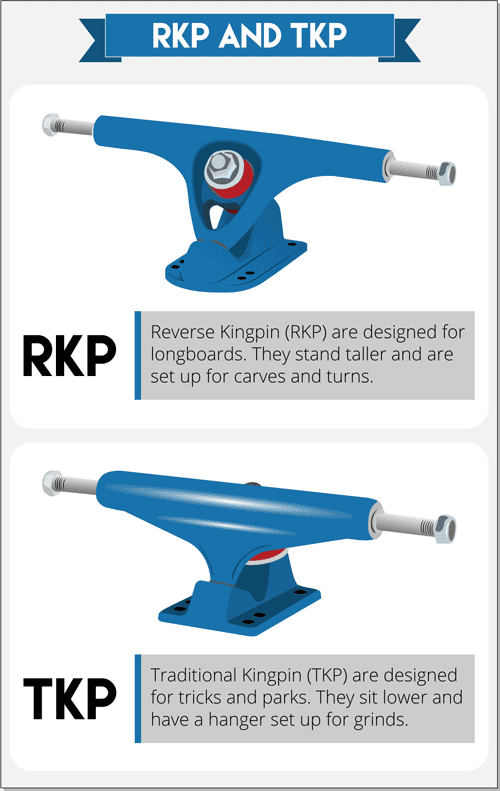
Reverse Kingpin Trucks
Reverse kingpin trucks are the most common for longboards. Their kingpin faces outward, away from the board’s center. This design offers better stability and smoother turns. Riders enjoy easy carving and downhill control. These trucks are great for beginners and advanced riders alike.
Traditional Kingpin Trucks
Traditional kingpin trucks have the kingpin facing inward, toward the board’s center. They are often used on skateboards but can fit some longboards. These trucks provide a tighter turning radius. They work well for technical tricks and street skating. However, they may feel less stable at high speeds.
Specialized Designs
Some trucks have unique shapes and features for specific riding styles. Drop-through trucks lower the board for more balance and easy pushing. Double kingpin trucks add an extra pivot for sharper turns. Some trucks are made with lightweight materials to reduce weight. These specialized designs help riders customize their longboards.
Truck Anatomy
Understanding the anatomy of longboard trucks helps you see how they affect your ride. Each part works together to provide control, stability, and smooth turning. Knowing the key components will help you choose or adjust trucks for better performance.
Hanger And Axle
The hanger is the largest part of the truck. It holds the axle, the metal rod where the wheels attach. The axle runs through the hanger and extends on both sides. This part supports the wheels and transfers your weight to the board. The hanger’s shape affects how the board turns and handles.
Baseplate And Pivot Cup
The baseplate connects the truck to the longboard deck. It is screwed directly into the board. The pivot cup fits inside the baseplate and holds the hanger’s pivot point. This allows the hanger to move smoothly when you turn. The baseplate angle influences the turning radius and stability of the truck.
Kingpin And Bushings
The kingpin is a large bolt that holds the truck parts together. It passes through the hanger and baseplate. Bushings are soft rubber rings around the kingpin. They cushion the truck’s movements and control how easily it turns. Tight bushings make the truck stiffer, while soft bushings allow for easier turning.
How Trucks Influence Turning
Longboard trucks play a key role in how your board turns. They connect the wheels to the deck and control the board’s movement. The way trucks work affects your turning ability, stability, and ride feel. Understanding their parts helps you choose the right setup for smooth, sharp, or stable turns.
Turning Mechanics
Trucks turn by pivoting on their baseplate. When you lean, the hanger tilts, causing the wheels to angle. This change in wheel angle makes the board turn. The more the hanger tilts, the sharper the turn. This tilt depends on how loose or tight the trucks are adjusted. Loose trucks allow easier turning but less stability. Tight trucks give more control but harder turns.
Role Of Bushings
Bushings are soft rings inside the trucks around the kingpin. They cushion the turning motion and control how easily the trucks lean. Softer bushings let the trucks turn with less effort. Harder bushings need more force to lean but add stability at speed. You can change bushings to adjust how your board turns. They balance smoothness and control in every turn.
Impact Of Kingpin Angle
The kingpin angle is the tilt of the bolt holding the truck parts together. A higher kingpin angle means more lean and sharper turning. Lower angles give slower, more stable turns. Most longboard trucks have angles between 40 and 50 degrees. Choosing the right angle depends on your riding style. Higher angles suit carving and cruising. Lower angles work well for downhill and speed.
Adjusting Trucks For Smooth Riding
Adjusting your longboard trucks plays a key role in achieving smooth rides. Proper tweaks can improve control and comfort. Small changes affect how your board turns and feels on different surfaces.
Understanding how to adjust trucks helps match your riding style. It can make rides more stable or more responsive. Experimenting with settings allows you to find the perfect balance.
Tightening And Loosening
Tightening the kingpin nut makes trucks stiffer. This reduces turning and increases stability at high speeds. Loosening the nut allows trucks to turn easier. This helps with carving and maneuvering. Adjust slowly and test the feel after each change.
Bushing Selection
Bushings are soft rings inside the trucks. They affect how trucks compress and rebound. Softer bushings provide smoother, easier turning. Harder bushings offer more resistance and control. Choose bushings based on your weight and riding preference. Changing bushings can transform your ride quality.
Axle Width Choices
Axle width affects board stability and wheel clearance. Wider axles give more stability and better control. Narrower axles allow quicker turns but less balance. Match axle width to your board’s deck width. Proper width reduces wheel bite and improves ride smoothness.
Credit: downhill254.com
Maintenance Tips
Proper maintenance keeps your longboard trucks working smoothly and safely. Regular care prevents damage and improves performance. Simple steps extend the life of your trucks and make your rides more enjoyable.
Cleaning And Lubrication
Remove dirt and debris from your trucks after every ride. Use a soft brush or cloth to wipe off dust and grime. Clean the pivot cup and hanger area carefully. Apply lubricant to the moving parts to reduce friction. This keeps the trucks turning smoothly and quietly. Avoid using too much oil as it can attract more dirt.
Replacing Bushings
Bushings control the turning and stability of your trucks. Check them regularly for cracks or wear. Old bushings can make your rides unstable or stiff. Swap worn bushings with new ones for better control. Choose bushings with the right hardness for your riding style. Softer bushings offer easier turning, while harder ones provide more stability.
Checking For Wear
Inspect your trucks for any signs of damage. Look closely at the hanger, baseplate, and kingpin. Cracks or bends can affect your board’s performance and safety. Tighten loose bolts and nuts to keep everything secure. Replace any parts that show excessive wear to avoid accidents. Regular checks help catch problems early and keep your rides smooth.
Choosing The Right Trucks
Choosing the right longboard trucks is key to a great ride. Trucks affect stability, turning, and control. Picking trucks that fit your style and board makes every ride better. Below are important points to consider when selecting trucks for your longboard.
Matching Trucks To Riding Style
Different riding styles need different trucks. For cruising and carving, softer bushings and looser trucks help with smooth turns. For downhill or speed riding, stiffer bushings and tighter trucks provide better control. Freestyle riders might prefer trucks that offer a balance of stability and maneuverability. Decide your main use and choose trucks that match that style.
Truck Size And Deck Compatibility
Truck width should match the longboard deck width. A good fit keeps your board stable and responsive. Too narrow trucks cause wobbling. Too wide trucks make turning harder. Measure your deck’s width and pick trucks with axle lengths close to that size. This match improves balance and ride feel.
Material Considerations
Trucks come in different materials like aluminum, steel, and titanium. Aluminum trucks are light and strong, good for most riders. Steel trucks are heavier but very durable. Titanium trucks are light and strong but more expensive. The material affects weight and durability. Choose based on your budget and riding needs.
Common Truck Upgrades
Longboard trucks play a big role in how your board rides. Upgrading trucks can improve control and comfort. Common upgrades focus on parts that affect turning, stability, and weight. These changes help you ride smoother and with more confidence.
High-quality Bushings
Bushings are soft rings around the kingpin. They control how the trucks turn and respond to pressure. High-quality bushings last longer and offer better rebound. Softer bushings make turning easier but can reduce stability. Harder bushings improve stability but need more force to turn. Choosing the right bushings changes how your board feels on every ride.
Lightweight Materials
Trucks made from lightweight materials reduce the board’s overall weight. Common materials include aluminum and titanium alloys. Lighter trucks make tricks easier and reduce fatigue during long rides. These materials keep strength while cutting down excess weight. Upgrading to lightweight trucks can make a noticeable difference in performance.
Enhanced Pivot Systems
The pivot system is where the hanger connects to the baseplate. Upgraded pivot cups reduce friction and increase smoothness. Better pivot systems allow quicker and more precise turns. They also lower the risk of squeaking and wear. Enhancing this part improves the overall feel of your longboard’s turning ability.
Troubleshooting Truck Issues
Longboard trucks play a crucial role in the overall ride and control of your longboard. Sometimes, issues can arise with trucks that affect performance. Troubleshooting these problems helps keep your ride smooth and safe. This section explains common truck issues and how to fix them.
Wobbling And Instability
Wobbling often happens due to loose kingpin nuts. Tighten the kingpin nut slightly to reduce wobble. If the trucks are too tight, turning becomes difficult. Check the bushings for wear or cracks. Replacing worn bushings improves stability and control. Also, ensure the pivot cups are not damaged or dry. Lubricate or replace pivot cups to stop instability.
Noisy Trucks
Noise from trucks usually comes from dry or worn bushings. Apply silicone lubricant to the bushings to reduce squeaks. If noise persists, inspect the kingpin and axle nuts. Tighten loose nuts to eliminate rattling sounds. Dirt or debris inside the trucks can cause noise too. Clean trucks regularly to keep them quiet and smooth.
Uneven Turning
Uneven turning happens when one truck turns differently than the other. Check if bushings have uneven wear or damage. Swap bushings between trucks to test if the issue changes sides. Make sure the baseplates are mounted evenly on the deck. Loose or misaligned mounting bolts cause uneven turning. Tighten bolts and adjust trucks for balanced, smooth turns.
Credit: www.gilgharda.com
Frequently Asked Questions
What Are Longboard Trucks And Their Main Function?
Longboard trucks are metal T-shaped parts mounted under the deck. They connect wheels to the board and allow turning and stability. Trucks control how the board feels and handles during riding, making them essential for performance.
How Does The Kingpin Angle Affect Longboard Trucks?
The kingpin angle influences turning responsiveness and stability. A higher angle offers sharper turns and agility, while a lower angle provides more stability at high speeds. Adjusting this angle tailors the ride to your style and terrain.
Why Is Axle Width Important In Longboard Trucks?
Axle width must match your deck width for balance. A wider axle offers better stability and control, ideal for downhill or cruising. Narrower axles increase maneuverability but may reduce stability on wider boards.
How Do Bushings Impact Longboard Truck Performance?
Bushings are rubber cushions that affect turning and rebound. Softer bushings allow easier, smoother turns, while harder bushings provide more resistance and stability. Changing bushings customizes your ride’s responsiveness and comfort.
Conclusion
Longboard trucks control how your board turns and feels. Their parts work together to provide balance and smooth rides. Adjusting trucks changes your ride’s stability and responsiveness. Knowing how trucks work helps you pick the best setup. Experimenting with different trucks improves your longboard experience.
Keep your trucks clean and tight for safe rides. Understanding these basics makes longboarding more fun and safe.

