
Which Longboard Should You Get? Let’s Find Out Together. You’re ready to hit the streets or the hills, but one big question stands in your way: which longboard should you get?
With so many shapes, sizes, and styles out there, it’s easy to feel overwhelmed. The right board can make all the difference—giving you smooth rides, better control, and more fun every time you push off. Before you choose, think about how you want to ride.
Are you cruising through the city, carving down winding roads, or dancing with tricks? Your riding style will guide you to the perfect deck shape, wheel size, and flex. Picking the wrong board can make your rides frustrating or even unsafe. But don’t worry—we’ll break down everything you need to know in simple terms, so you can find the longboard that fits you perfectly. Keep reading to discover how to match your style with the ideal longboard setup. Once you understand these basics, choosing your board becomes easy—and exciting. Ready to find your perfect ride? Let’s get started!
Riding Styles
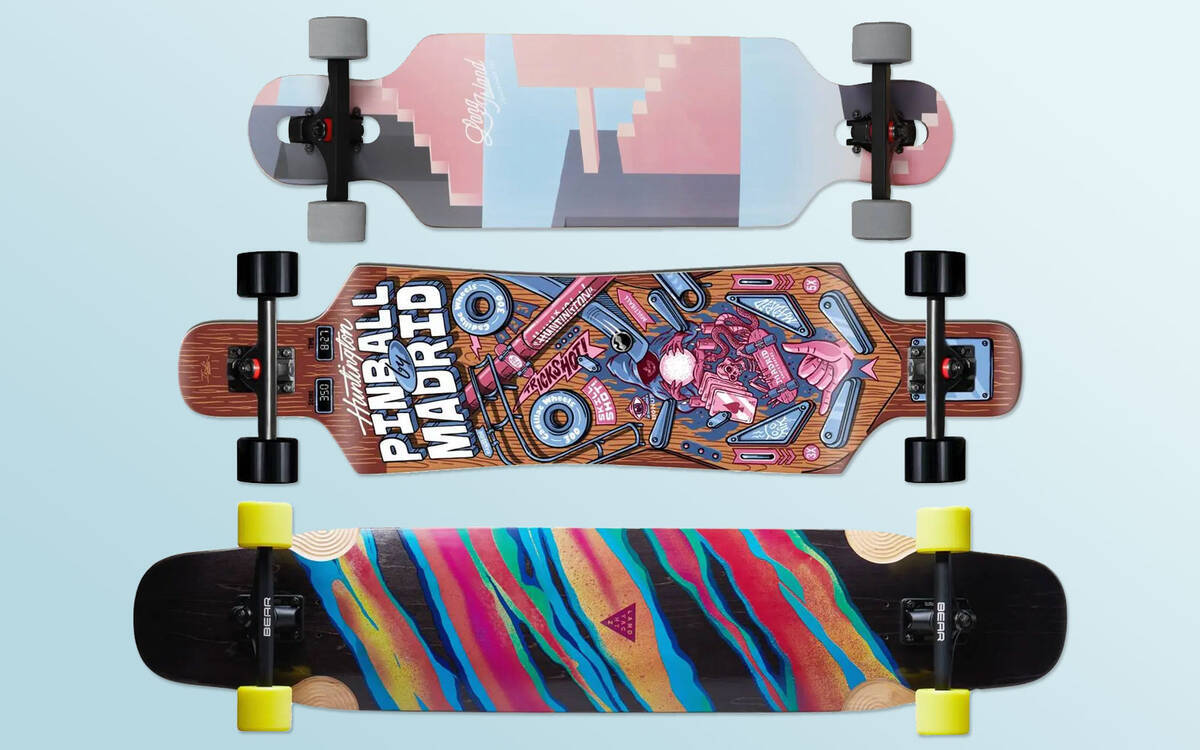
Choosing the right longboard depends a lot on your riding style. Each style has unique needs for deck shape, size, flex, trucks, and wheels. Knowing your style helps pick a board that feels natural and fun to ride.
Longboards vary in length and width. Longer boards give more stability, ideal for cruising and dancing. Shorter boards suit tricks and downhill speed. Deck flex also plays a role. Softer decks absorb bumps well, perfect for carving and cruising. Stiffer decks offer control at high speeds, great for downhill riding.
Wheel size and hardness affect the ride. Larger, softer wheels handle rough roads smoothly. Smaller, harder wheels work well for sliding and tricks. Truck angles influence turning and stability. Lower angles help with carving, while higher angles give better stability for fast rides.
Cruising And Commuting
Cruising boards often have softer, larger wheels to smooth out rough pavement. A kicktail helps with easy turns and quick stops. Decks tend to be longer for comfort and balance on longer rides. Flex is usually medium to soft for a comfortable, smooth ride. Drop-through mounts lower the board, adding stability for beginners or casual riders.
Downhill And Freeride
Downhill boards are stiffer to handle high speeds and sharp turns. They often have concave shapes to lock your feet in place. These decks can be shorter for better control or longer for stability. Wheels are usually harder and smaller for faster slides. Trucks have tighter bushings to keep the board steady at speed.
Dancing And Freestyle
Dancing and freestyle longboards are longer to give space for footwork. Kicktails are common for tricks and quick movements. Decks often have a medium flex to allow some bounce without losing control. Wheels are softer for smooth, easy slides. Symmetrical shapes help riders switch directions easily during tricks.
Deck Shapes And Sizes
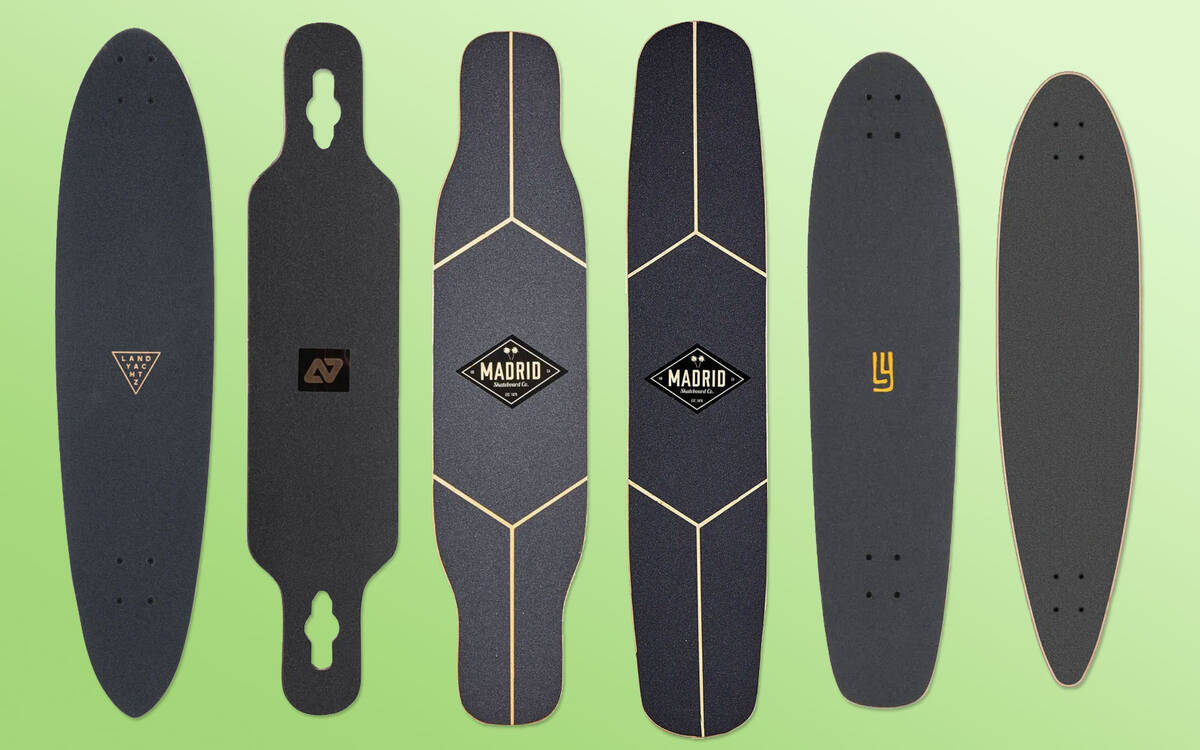
Choosing the right longboard deck shape and size plays a key role in your riding experience. Different shapes and sizes fit different styles, like cruising, downhill, or dancing. Knowing these differences helps you find a board that feels comfortable and matches your needs.
Start by thinking about your riding style. Longer decks offer more stability, great for downhill or dancing. Shorter decks are easier for tricks and quick turns. Deck flex also matters—stiffer decks give better control at high speed, while softer ones absorb bumps for smooth carving.
Long Vs Short Decks
Long decks give more room for your feet and balance. They suit cruising, dancing, and downhill riding well. These boards feel stable on fast or rough surfaces.
Short decks are lighter and easier to maneuver. They work best for tricks and quick turns. Smaller boards are popular for freeride and urban cruising.
Symmetrical And Directional Shapes
Symmetrical decks look the same at both ends. They allow riding the switch (both directions) easily. Good for freeride and freestyle.
Directional decks have a clear front and back. They are designed for one-way riding, ideal for downhill and surf-style cruising.
Width And Foot Placement
Deck width affects comfort and control. Wider decks give more space for your feet, helping with balance and tricks.
Narrow decks feel more agile but may be less stable. Choose a width based on your shoe size and riding style.
Deck Features
The deck is the heart of any longboard. It shapes your ride and controls your comfort. Deck features vary to suit different riding styles and preferences.
Understanding these features helps you pick the right board. The deck’s shape, flex, and material all affect your experience. Let’s explore the key deck features that matter most.
Concave Types
Concave means the curve across the deck’s width. It helps keep your feet locked in place. Different concave shapes offer unique benefits.
- Flat: Minimal curve, good for beginners and casual riding.
- Radial: Smooth, gradual curve, offers good foot grip and comfort.
- W-Concave: A deeper curve that hugs your feet for better control.
- Double Concave: Combines curves for maximum foot lock during tricks and downhill rides.
Flex Levels
Flex means how much the deck bends under pressure. It affects ride comfort and board response.
- Soft Flex: Absorbs bumps well, ideal for cruising and carving.
- Medium Flex: Balances comfort and control, good for all-around riding.
- Stiff Flex: Offers high stability at speed, perfect for downhill and freeride.
Materials Used
Deck materials influence weight, strength, and ride feel. Common materials include:
- Maple: Durable and stiff, great for speed and control.
- Bamboo: Lightweight and flexible, perfect for smooth rides and tricks.
- Composite: Mix of carbon fiber or fiberglass with wood, offers strength and lightness.
Credit: www.skatepro.com
Trucks And Wheels
Trucks and wheels shape your longboard’s ride quality. They control how the board turns, grips, and rolls. Choosing the right setup suits your riding style best. Trucks affect stability and turning. Wheels influence speed and smoothness. Bearings help wheels spin freely and fast. Understanding these parts helps you pick the perfect longboard.
Truck Mounts And Angles
Truck mounts attach trucks to the deck. Common types are top-mount and drop-through. Top-mount trucks sit under the board. They offer better turning and control. Drop-through mounts lower the board’s center of gravity. This provides more stability and easier pushing. Truck angles affect turning response. Higher angles (50° or more) allow sharper turns. Lower angles (40° or less) give more stability at speed. Choose mounts and angles based on your ride needs.
Wheel Size And Hardness
Wheel size affects speed and smoothness. Larger wheels (70mm or more) roll over cracks easily. They work well for cruising and rough roads. Smaller wheels (below 65mm) offer better control for tricks. Wheel hardness is measured by durometer. Softer wheels (78A-87A) grip well and absorb bumps. Harder wheels (88A and above) slide easily and go faster on smooth surfaces. Pick wheel size and hardness based on terrain and style.
Bearings And Speed
Bearings let wheels spin smoothly. They come rated by the ABEC scale. Higher ABEC numbers mean finer tolerance, but do not always mean faster speed. Quality bearings reduce friction and last longer. Lubrication and maintenance keep bearings spinning well. Good bearings help you reach higher speeds with less effort. Choose bearings that balance speed and durability for your riding style.
Choosing For Stability And Control
Choosing a longboard for stability and control depends on your riding style. Different styles need different board features. Think about cruising, downhill, or dancing. Each style matches a specific deck shape and size. Longer boards give more stability. Shorter ones help with tricks. Deck flex matters too. Stiffer decks suit high speed. Softer decks make carving easier. Trucks and wheels affect the ride. Larger wheels smooth rough paths. Truck angles influence turning and stability.
Drop-through Vs Top-mount
Drop-through decks have the trucks mounted through the board. This lowers the ride height. A lower board feels more stable and easier to push. Drop-through boards suit beginners and long rides. They offer good control at speed. Top-mount decks have trucks mounted under the board. This raises the center of gravity. Top-mounts provide more grip and better turning. They feel lively and responsive. Choose drop-through for stability. Pick top-mount for sharper control and tricks.
Kicktails And Maneuverability
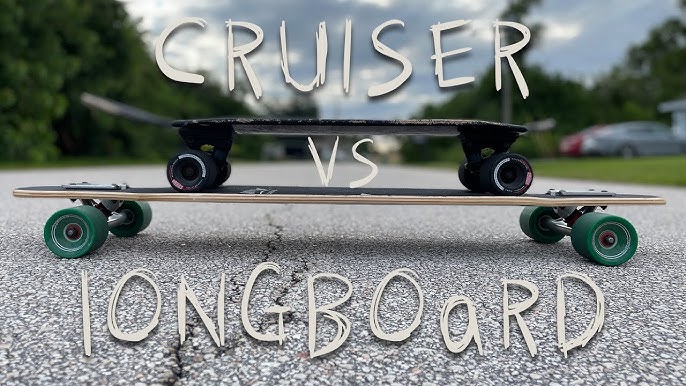
Kicktails are raised ends of the deck. They help with quick turns and tricks. Boards with kicktails are more maneuverable. They allow easy pivoting and hopping. Kicktails suit dancing and freestyle riding. Without kicktails, boards favor smooth, straight riding. Cruiser boards often have kicktails for city riding. If control in tight spaces matters, pick a board with kicktails. For steady, long rides, a flat tail works well.
Testing Before Buying
Testing before buying a longboard helps you find the right fit. It lets you feel the board’s balance and comfort. Trying several boards helps avoid costly mistakes. You learn which style and specs suit your riding best.
Visiting local shops is a great start. You see many options in one place. You can touch, stand, and even ride some boards. This real experience shows how the board feels under your feet.
Visit Local Shops
Local shops offer hands-on testing. Staff can answer questions and suggest boards. You can try different shapes, sizes, and flex. This helps find a board that matches your body and style. It also lets you check the quality up close.
Feel And Comfort
Comfort matters most when riding. Stand on the board and check foot placement. The deck width should fit your shoe size well. Notice the deck’s flex; softer flex absorbs bumps better. See if the trucks turn smoothly and the wheels roll easily. Your feet should feel stable and secure.
Matching Style And Specs
Match the board to your riding style. For cruising, look for softer wheels and a flexible deck. For downhill, choose a stiff deck with a low mount. Dancing requires a longer deck with room to move. Check specs like width, shape, and wheel size. These affect control, speed, and comfort. Testing helps confirm these choices feel right.
Popular Longboard Models
Choosing the right longboard depends on your riding style and preferences. Popular longboard models vary by design, flex, and purpose. Each model fits specific needs such as cruising, downhill racing, or beginner-friendly rides. Knowing the best models helps you find a board that matches your skill level and riding goals. Below are popular longboard models sorted by their best uses.
Best For Beginners
Beginner longboards offer stability and easy control. Models like the Sector 9 Lookout and Landyachtz Dinghy provide a wide deck for balance. These boards have softer wheels that absorb bumps and smooth out rough roads. Drop-through mounts lower the board’s center of gravity to prevent wobbling. Beginners benefit from medium flex decks for a forgiving ride. These boards help riders gain confidence quickly.
Top Picks For Cruising
Cruising longboards focus on comfort and smooth rides. The Arbor Axis and Globe Blazer are excellent choices. They have large, soft wheels that glide over cracks and rough pavement. Longer decks give more foot space for relaxed stances. Kicktails add maneuverability for quick turns and tricks. Flexibility in the deck lets you carve gently while cruising. These models suit city streets and boardwalks.
Recommended For Downhill
Downhill longboards are built for speed and control. Models like the Landyachtz Evo and Rayne Darkside feature stiff, low-flex decks. They have a directional shape for stability at high speeds. Drop-through or top mounts allow for precise turning and strong grip. Wheels are harder and smaller for better traction on steep runs. Concave decks help lock your feet in place during fast descents. These boards are for experienced riders seeking adrenaline.
Credit: www.youtube.com
Frequently Asked Questions
What Longboard Size Suits Beginners Best?
Beginners should choose a longer board, around 38-42 inches. Longer decks offer more stability and balance, helping new riders gain confidence. Wider boards also provide better foot placement, improving control for learning basic maneuvers safely.
Which Longboard Shape Is Best For Cruising?
Directional shapes with a slight concave are ideal for cruising. They provide smooth rides and easy turns. Softer wheels and drop-through mounts enhance comfort on rough terrain, making cruising enjoyable and stable for commuting or casual rides.
How Do I Pick Longboard Wheels For Smooth Rides?
Choose larger, softer wheels (around 70mm, durometer 78A) for smooth rides. They absorb road vibrations and handle cracks or rough surfaces better. Softer wheels improve grip and comfort, essential for cruising and commuting on various terrains.
What Flex Level Is Best For Downhill Longboarding?
Stiffer decks are best for downhill riding, offering better control at high speeds. They reduce unwanted flex, enhancing stability and precision. This helps riders maintain balance and confidence while carving or racing downhill.
Conclusion
Choosing the right longboard depends on your riding style and comfort. Consider deck size, shape, and flex carefully. Softer wheels help on rough roads; harder wheels suit smooth rides. Stability matters for beginners; tricks need more control. Visit a local shop to test boards yourself.
Remember, the best longboard fits how you want to ride. Take time, try different options, and enjoy your longboarding journey.

