
You love the thrill of longboarding—the wind in your hair, the smooth glide under your feet, the freedom of the open road. But when winter rolls around and the temperature drops, you might wonder: Can you still longboard in the winter?
The cold, icy roads and shorter days can make it seem impossible. Yet, with the right gear and smart precautions, winter longboarding can become your new favorite challenge. Ready to keep rolling when others stay inside? Let’s dive into how you can safely enjoy longboarding all winter long.
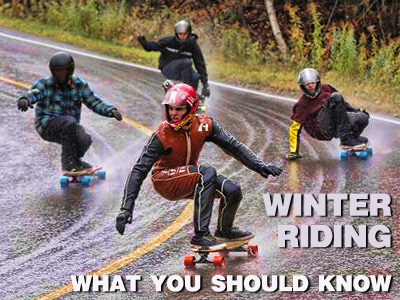
Credit: www.longboarderlabs.com
Winter Longboarding Basics
Longboarding in winter needs extra care and planning. Cold weather changes the way you ride. Your board and gear react differently to low temperatures. Safety becomes more important than ever. Understanding the basics helps you enjoy winter riding safely.
Proper clothing and equipment keep you warm and protected. Choosing the right spots to ride is key. Knowing what to expect makes winter longboarding fun and safe.
Is Winter Riding Possible
Yes, you can longboard in winter with the right approach. Many riders enjoy cruising even in cold weather. You must dress in layers to stay warm. Using gloves and hats protects your extremities. Your board should be checked often for damage. Avoid riding on ice or snow for safety. Clear, dry roads provide the best conditions.
Common Challenges In Cold Weather
Cold air can make your board wood brittle and less flexible. Wheels may lose grip on wet or icy surfaces. Your muscles get stiff faster in low temperatures. Visibility can be poor during shorter daylight hours. Roads may have hidden ice patches. Keeping balance is harder with bulky winter clothes. These challenges need careful attention to avoid accidents.
Gear For Cold-weather Riding
Riding a longboard in cold weather requires the right gear to stay safe and comfortable. Cold temperatures can affect your board and your body. Choosing appropriate equipment helps you enjoy winter rides without risks. Prepare well for chilly conditions.
Choosing The Right Longboard
Pick a longboard made from durable materials like maple or bamboo. These woods handle cold better without cracking. Use wider wheels with softer durometer ratings for better grip on cold or damp roads. Larger wheels roll smoothly over rough winter surfaces. Avoid boards with brittle parts that can break in low temperatures.
Footwear And Clothing Tips
Wear insulated shoes with a good grip to prevent slipping. Waterproof boots keep feet dry during snow or rain. Dress in layers to trap heat and adjust to changing temperatures. Use thermal socks and gloves to protect extremities from frostbite. Breathable fabrics help reduce sweat buildup under cold outerwear.
Protective Gear Essentials
Always wear a helmet designed for cold-weather impact protection. Add knee and elbow pads for extra safety on slick surfaces. Consider wrist guards to prevent injuries during falls. Use reflective gear or lights to stay visible in shorter daylight hours. Proper protection lowers injury risks in winter longboarding.
Safety Tips On Winter Roads
Riding a longboard on winter roads needs careful attention. Cold weather brings unique challenges that affect safety. Roads may hide dangers like ice, snow, and wet patches. Staying safe requires smart choices and good habits. Here are key safety tips to help you longboard safely through winter conditions.
Avoiding Ice And Snow Hazards
Ice and snow reduce grip and control on your longboard. Avoid patches of ice at all costs. Snow can hide cracks and obstacles on the road. Ride slowly and watch the surface carefully. Choose routes that receive sunlight to melt ice faster. If ice or snow covers the road, it is best to stop and walk.
Handling Wet And Salty Surfaces
Wet roads make wheels slip more easily. Salt used on streets can damage your board and wheels. Rinse your longboard with fresh water after each ride. Dry your board thoroughly to stop rust and wear. Use wheels designed for wet conditions to improve traction. Ride slower and brake gently on wet roads to keep control.
Visibility And Traffic Awareness
Winter days are shorter and darker. Wear bright, reflective clothing to be seen by drivers. Use lights on your board or body to increase visibility. Stay alert to traffic and road signs at all times. Avoid riding near busy streets during low light. Always signal your moves clearly to other road users.

Credit: www.longboarderlabs.com
Board Maintenance In Winter
Longboarding in winter means extra care for your board. Cold weather and moisture can harm it. Proper maintenance keeps your board safe and ready to ride.
Follow these simple steps to protect your longboard during the winter months.
Preventing Water Damage
Winter brings snow and rain that can soak your board. Water seeps into the wood and damages it over time. Use a waterproof spray to protect the deck. Wipe the board dry after every ride. Avoid riding through puddles and slush to keep it dry.
Dealing With Cold-Induced Brittleness
Cold temperatures make the wood and plastic parts brittle. This increases the chance of cracks or breaks. Store your board indoors at room temperature. Warm it up gently before riding outside. Avoid sudden impacts or tricks that strain the board in cold weather.
Cleaning And Storage Tips
Clean your board after every ride to remove dirt and salt. Use a soft cloth and mild soap with water. Dry the board completely to stop rust on metal parts. Store your longboard in a dry place away from direct heat or sunlight. Keep it flat or hang it to prevent warping.
Riding Techniques For Cold Weather
Riding a longboard in cold weather requires careful technique changes. Cold air, icy roads, and low temperatures affect how your board grips and moves. Adjusting your riding style helps keep you safe and confident on slippery surfaces. Focus on balance, braking, and traction to enjoy winter rides.
Adjusting Your Style For Grip
In cold weather, the road surface feels harder and slicker. Keep your weight centered over the board to improve grip. Use softer, slower turns instead of sharp, fast ones. This reduces wheel slip and keeps your ride smooth. Avoid sudden moves that might cause loss of control.
Balancing And Braking Safely
Balance is key on cold, rough roads. Bend your knees slightly to absorb shocks and stay steady. Spread your arms for better stability. When braking, slow down gently using your foot or hand brake. Avoid quick stops that may cause your wheels to lock and slide.
Managing Reduced Traction
Winter roads reduce traction due to ice and frost. Choose wheels with more grip or use winter-specific longboard wheels. Ride slower than usual to give yourself time to react. Scan the road ahead for slick patches and avoid them. Smooth, controlled movements help maintain control on slippery surfaces.
Indoor And Alternative Options
Winter weather can make outdoor longboarding difficult and unsafe. Cold, ice, and snow create hazards on the streets. Still, you can keep skating skills sharp with indoor and alternative options. These choices help you stay active and enjoy board sports year-round.
Indoor Roller Rinks
Indoor roller rinks offer a smooth, warm place to skate. The controlled environment protects you from cold and slippery surfaces. You can practice your balance and turns without worrying about the weather. Many rinks welcome longboarders, providing enough space for cruising and tricks. Skating indoors keeps your muscles ready for outdoor rides.
Cross-training Activities
Cross-training improves your strength and balance for longboarding. Try activities like yoga, cycling, or skateboarding on a balance board. These exercises build core muscles and improve coordination. They also reduce injury risk and boost endurance. Cross-training keeps you fit and ready for the next ride.
Transitioning To Snow Sports
Snow sports share skills with longboarding. Skiing and snowboarding help you master balance and control on slippery surfaces. Learning these sports is easier if you already ride a longboard. Winter is the perfect time to try them. You can enjoy the thrill of sliding and keep your board sport passion alive.
Staying Motivated During Winter
Staying motivated during winter can be tough for longboarders. Cold weather and shorter days make it easy to lose interest. Yet, with the right mindset, winter longboarding can be rewarding. Keeping focus and excitement alive helps you enjoy the season and improve your skills.
Here are ways to stay motivated and keep your longboarding passion strong in winter.
Setting Goals And Challenges
Set clear goals for your winter riding. Goals give you purpose and direction. Try learning a new trick or improving balance. Make challenges that push your limits safely. Small steps lead to big progress over time. Write down your goals and track them weekly. This keeps your motivation high and focused.
Joining Winter Riding Communities
Find local or online groups for winter longboarders. Sharing your experience with others creates support. You get advice, encouragement, and new ideas. Group rides and meet-ups add fun and social connection. Being part of a community makes winter riding less lonely and more exciting.
Tracking Progress And Improvements
Keep a journal or use an app to record your rides. Note the weather, distance, tricks, and feelings after each session. Tracking progress shows how far you have come. It helps spot areas needing work. Celebrate small wins to boost confidence. Seeing improvement fuels your desire to ride more often.

Credit: easypeople.ca
Frequently Asked Questions
Can You Longboard In Winter?
Yes, you can longboard in winter by wearing warm layers and avoiding icy or snowy roads. Use proper gear for safety.
Is It Okay To Skate In The Winter?
Skating in winter is possible with proper clothing and safe surfaces. Avoid icy or snowy areas to prevent injuries and board damage. Indoor rinks offer a warm alternative. Cold may make boards brittle, so handle tricks carefully. Stay warm, layer up, and skate cautiously for a safe winter experience.
Does Cold Affect Skateboards?
Cold can make skateboard wood brittle and wheels harder, increasing damage risk and reducing grip during tricks.
Is It Illegal To Longboard On The Road?
Longboarding on roads depends on local laws. Many places treat longboarders as pedestrians, prohibiting road use. Always check specific regulations before riding on streets.
Conclusion
Longboarding in winter can be safe and fun with the right care. Dress warmly and choose dry, clear roads to avoid slips. Check your board often for any damage from cold weather. Ride slower to keep control and enjoy the peaceful winter streets.
Winter longboarding offers a fresh experience for those who prepare well. Stay safe, stay warm, and keep riding all year round.

