
Are you wondering if you can keep skating while pregnant? It’s natural to want to stay active and enjoy your favorite hobbies during this special time.
But with so many changes happening in your body, you might be asking yourself: Is skating safe for my baby and me? Before you lace up your skates, it’s important to understand the risks involved and how to protect yourself.
Keep reading to discover what experts say about skating during pregnancy, what to watch out for, and how to make the best choices for your health and your little one’s safety.
Risks Of Skating While Pregnant
Skating during pregnancy carries certain risks that require careful thought. The body changes rapidly, affecting balance and coordination. These changes can increase the chance of accidents. Understanding these risks helps in making safer choices for both mother and baby.
Fall Hazards And Injury Potential
Falls are a major risk for pregnant skaters. The growing belly shifts the center of gravity, making balance harder. Skating surfaces can be slippery or uneven. A fall might cause bruises, fractures, or worse. Injuries to the abdomen could harm the baby. Protective gear does not eliminate the risk.
Impact On Abdominal Safety
The abdomen is vulnerable during pregnancy. Sudden movements or collisions can cause pressure on the belly. This pressure may lead to complications like placental abruption or premature labor. Even minor impacts should be avoided. Skating involves quick stops and turns, increasing the risk to abdominal safety.
Effects Of Overheating
Physical activity raises body temperature. Pregnant women are more sensitive to overheating. High body heat can affect fetal development. Skating outdoors in hot weather or in crowded rinks may cause overheating. Staying hydrated and resting often help, but skating can still pose heat risks.

Safe Skating Practices
Skating during pregnancy can be enjoyable with the right precautions. Safe skating practices help protect both mother and baby. Taking simple steps reduces risks and keeps skating fun and healthy.
Follow these tips to skate safely and confidently throughout pregnancy.
Choosing The Right Skating Environment
Select smooth, flat surfaces for skating to avoid falls. Indoor rinks with good lighting and fewer people offer safer conditions. Avoid uneven, wet, or crowded areas that increase injury risk. Quiet parks or skating trails with firm pavement work well too.
Using Protective Gear
Wear a helmet to protect your head from injury. Knee and elbow pads help cushion falls and reduce bruises. Wrist guards offer extra support and prevent wrist fractures. Proper gear gives confidence and lowers accident chances.
Monitoring Physical Limits
Listen to your body and stop if you feel tired or dizzy. Take frequent breaks to rest and hydrate. Avoid skating in extreme heat or cold to prevent discomfort. Slow down your pace and skip risky moves or jumps. Always check with your doctor before skating.
Alternatives To Skating
Skating poses a high risk of falling and injury during pregnancy. Many expectant mothers seek safer ways to stay active. Alternatives to skating offer gentle exercise options that support health without stress on the body. These activities help maintain fitness and improve well-being throughout pregnancy.
Low-impact Exercises
Low-impact exercises keep your heart rate up without harsh movements. Swimming, stationary cycling, and elliptical machines provide smooth, controlled motion. These exercises reduce strain on joints and lower the risk of falls. They also help improve circulation and build endurance safely.
Prenatal Yoga And Stretching
Prenatal yoga promotes flexibility and relaxation for pregnant women. It focuses on gentle stretches and breathing techniques. This practice eases pregnancy discomfort and prepares the body for labor. Stretching improves muscle tone and reduces stiffness without sudden or risky moves.
Walking And Swimming Benefits
Walking is a simple, effective way to stay active during pregnancy. It strengthens muscles and supports cardiovascular health. Swimming offers buoyancy, which relieves pressure on the back and joints. Both activities improve mood, boost energy, and promote better sleep.

Credit: www.thrashermagazine.com
When To Avoid Skating
Skating can be fun and healthy, but not always safe during pregnancy. Certain times and conditions require avoiding skating to protect both mother and baby. Knowing when to stop helps prevent risks and complications.
High-risk Pregnancy Conditions
Women with high-risk pregnancies should avoid skating. Conditions like preeclampsia, placenta problems, or risk of preterm labor increase dangers. Skating might cause falls or stress that worsen these conditions. Doctors usually advise against any activity with a fall risk in such cases.
After First Trimester Considerations
After the first trimester, the body changes rapidly. Balance and joint stability may decrease. The growing belly affects movement and increases fall risk. Skating becomes more dangerous as the pregnancy progresses. It is best to avoid skating to reduce injury chances after this stage.
Signs To Stop Immediately
Stop skating at once if experiencing any warning signs. These include vaginal bleeding, dizziness, chest pain, or sudden swelling. Also stop if you feel strong contractions or sharp abdominal pain. These symptoms can indicate serious problems and require prompt medical attention.
Consulting Healthcare Providers
Consulting healthcare providers is essential before skating during pregnancy. Every pregnancy is unique, and a doctor’s advice ensures safety for both mother and baby. Healthcare providers assess health status and give tailored guidance on physical activities. Their support helps expectant mothers make informed decisions about skating and other exercises.
Personalized Exercise Recommendations
Doctors provide exercise advice based on individual health and pregnancy stage. They consider any risks or complications and suggest safe activity levels. Personalized plans help balance fitness and safety. Skating may be allowed with modifications or limited duration. Following professional advice reduces injury risk and supports pregnancy health.
Monitoring Pregnancy Progress
Regular check-ups track how pregnancy develops with physical activity. Healthcare providers watch for signs that skating might cause problems. They check blood pressure, weight, and fetal growth. Monitoring allows timely adjustments to exercise routines. This ongoing care protects mother and baby during all pregnancy phases.
Adjusting Activities Over Time
Pregnancy changes quickly, requiring activity changes too. Healthcare providers guide when to reduce or stop skating. They suggest alternatives that keep fitness without risk. Adjustments depend on trimester, symptoms, and health. Listening to medical advice helps maintain well-being throughout pregnancy.
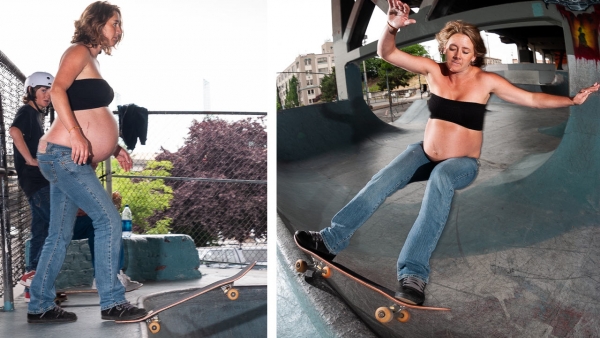
Credit: www.thrashermagazine.com
Frequently Asked Questions
What Activities Should I Avoid During Pregnancy?
Avoid activities with high fall risk like skiing, horseback riding, and cycling. Skip contact sports, heavy lifting, hot tubs, saunas, scuba diving, and high-impact exercises. Also, avoid lying flat on your back after the first trimester to protect your baby and ensure safety.
What Not To Do At 7 Weeks Pregnant?
Avoid heavy lifting, high-impact exercises, contact sports, hot tubs, saunas, and activities with fall risk at 7 weeks pregnant. Skip scuba diving and lying flat on your back for long periods. Prioritize safety and consult your healthcare provider before exercising.
What Activities Can You Do While Pregnant?
Pregnant women can do walking, swimming, prenatal yoga, and low-impact aerobics. These activities improve fitness safely. Always consult a healthcare provider before starting exercises. Avoid high-impact, contact sports, and activities with fall risks to protect mother and baby.
What Chores Should You Avoid While Pregnant?
Avoid heavy lifting, contact sports, high-impact aerobics, activities with fall risk (skiing, horseback riding), overheating (hot tubs, saunas), scuba diving, and lying flat on your back after the first trimester. These chores can harm you or your baby during pregnancy.
Conclusion
Skating during pregnancy carries risks due to possible falls and injuries. Many doctors advise avoiding activities with high fall chances. Gentle exercises like walking or swimming work better for most pregnant women. Always talk with your healthcare provider before skating or doing any sport.
Your health and the baby’s safety matter most. Choose safe activities to stay active and comfortable throughout pregnancy.

