
Are you torn between choosing a longboard or a surfskate? Both boards look similar, but they offer very different riding experiences.
Whether you’re a beginner wanting a smooth, stable ride or someone craving sharp, surf-like turns on city streets, understanding the key differences can save you time and frustration. You’ll discover how each board feels, what skills they build, and which one fits your lifestyle best.
Keep reading to find out which ride will truly match your style and elevate your skating game!
Longboard Basics
Longboards offer a smooth and stable ride. They are perfect for cruising and carving on streets or gentle hills. Understanding the basics helps you choose the right longboard for your style. Let’s explore key features like deck size, wheels, and riding style.
Deck Size And Shape
Longboard decks are usually longer than traditional skateboards. They range from 33 to 60 inches in length. Wider decks provide more foot space and balance. Shapes vary from pintail to drop-through, affecting how the board turns. Longer and wider decks offer better stability for beginners. Some shapes help with downhill speed, while others are made for smooth carving.
Wheel Characteristics
Longboard wheels are larger and softer than skateboard wheels. Sizes usually range from 65 to 75 millimeters. Softer wheels grip the road better and absorb bumps. They roll smoothly on rough surfaces like asphalt or concrete. Harder wheels slide easily but are less stable—wheel shape and durometer impact speed and control. Bigger wheels help maintain momentum on flat or hilly terrain.
Riding Style And Terrain
Longboards suit cruising, carving, and downhill riding. They work well on flat streets, bike paths, and hills. Their design gives riders a relaxed, stable feel. Longboards are not ideal for tricks or skateparks. Instead, they focus on smooth turns and speed control. This makes them great for commuting and long-distance rides. Terrain with cracks or rough patches is easier to handle with longboards.

Credit: surfskate.love
Surfskate Essentials
Surfskates bring a new level of excitement to riding. They combine skateboarding with the fluid motion of surfing. Understanding their essentials helps riders enjoy every turn and carve.
Each surfskate has unique features. These parts work together to mimic the feel of waves on the street. Knowing about the truck system, deck design, and surf movements is key.
Unique Truck Mechanism
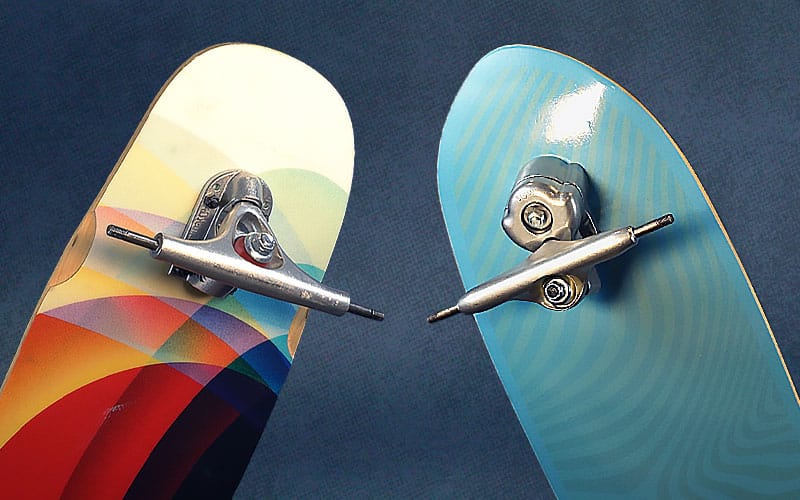
Surfskates use a special truck system. The front truck can pivot sideways more than usual. This lets the board turn sharply, like a surfboard on a wave. The back truck stays stable to support balance. This design helps riders pump and carve easily without pushing.
Deck Design And Flexibility
The deck of a surfskate is shorter than a longboard. It often has a kicktail for quick turns and tricks. The board’s flexibility allows it to bend slightly under pressure. This flex gives a smooth, responsive ride. It feels closer to surfing on water than riding a regular skateboard.
Mimicking Surf Movements
Surfskates allow pumping, carving, and quick turns. Riders use their body and hips to move the board side to side. This motion copies how surfers ride waves. The ability to generate speed without pushing is a big plus. It makes practicing surf moves easier on land.
Ride Feel Comparison
Choosing between a longboard and a surfskate comes down to the ride feel. Each board offers a unique experience for riders. Understanding these differences helps pick the right board for your style. The following sections explain how they compare in stability, turning, and speed.
Stability And Balance
Longboards provide great stability due to their length and wide deck. Riders feel steady, making them ideal for beginners. The larger wheels also absorb bumps well. Surfskates have a smaller deck and a more flexible setup. This design offers less stability but allows quick shifts in balance. Surfskates require more focus to stay steady but reward riders with a lively feel.
Turning And Carving
Surfskates excel at tight turns and deep carving. Their front trucks swivel sharply, mimicking surfboard movements. This makes them perfect for carving curves and sharp corners. Longboards carve smoothly but with wider turns. Their trucks offer a stable, gradual lean. Longboards feel relaxed during turns but lack the sharp responsiveness of surfskates.
Speed And Maneuverability
Longboards reach higher speeds with ease thanks to their size and wheel setup. They glide smoothly over long distances and rough surfaces. Surfskates are slower but highly maneuverable. Their design allows quick direction changes and tricks similar to surfing. Surfskates work best in tight spaces, while longboards suit cruising on open roads.
Skill Level And Learning Curve
Understanding the skill level and learning curve is essential when choosing between a longboard and a surfskate. Both boards offer different experiences that suit various riders. The learning process depends on the type of board and what you want to achieve. Each has unique features that affect how quickly you can become comfortable and confident.
Beginner Friendliness
Longboards are easier for beginners due to their stability. The larger deck gives more balance and control. Riders can focus on learning to push and glide without worrying about falling. Surfskates require more balance and coordination. They mimic surfing motions, which can feel tricky at first. Beginners might find surfskates challenging but rewarding once they get used to the movement.
Advanced Techniques
Longboards allow smooth carving and cruising. Advanced riders use them for downhill riding and slides. Surfskates excel in sharp turns and quick maneuvers. They enable riders to practice surf-style tricks on land. Mastering surfskates involves learning pumping techniques to keep speed without pushing. Both boards offer ways to improve skills but in different styles.
Common Challenges
Longboard riders often struggle with tight turns and quick stops. The size and weight can make these moves harder. Surfskate riders face challenges in maintaining balance during fast, sharp turns. The pumping motion takes practice to do efficiently. Falling is common for both, but learning safe techniques reduces risk. Patience and practice help overcome these challenges.
Use Cases And Riding Goals
Choosing between a longboard and a surfskate depends greatly on how and why you want to ride. Each board serves different purposes and suits various riding goals. Understanding these use cases helps pick the right board for your style and needs.
Cruising And Commuting
Longboards excel at smooth cruising and daily commuting. Their large decks provide stability and comfort for longer rides. Soft wheels absorb bumps, making rough pavement less jarring. Surfskates can cruise too but feel more agile and less stable on long distances. For simple, relaxed rides, longboards are often better.
Tricks And Technical Riding
Surfskates shine in tricks and technical riding. Their unique trucks allow tight turns and quick carving. This mimics surfing movements on land. Longboards can do tricks but usually focus on slides and downhill maneuvers. Surfskates suit riders who want to practice sharp turns and fluid style.
Fitness And Surf Training
Surfskates are popular for fitness and surf training. They build balance, core strength, and improve wave-like turns. Longboards offer good low-impact exercise but lack the surf-specific feel. Riders seeking to improve their surfing skills find surfskates more effective for practice off water.

Credit: www.youtube.com
Pros And Cons
Choosing between a longboard and a surfskate depends on your riding style and goals. Each has unique benefits and some drawbacks. Understanding these pros and cons helps pick the right board.
Both boards offer fun and exercise. They suit different terrains and skills. Let’s explore their advantages and limitations to see what fits best.
Advantages Of Longboards
- Longboards provide excellent stability and balance.
- The large deck makes cruising smooth and comfortable.
- Great for beginners to learn basic riding skills.
- Ideal for long-distance rides and downhill speed.
- Soft wheels absorb bumps for a gentle ride.
- Easy to control at moderate speeds.
- Perfect for relaxed, steady rides on flat surfaces.
Advantages Of Surfskates
- Surfskates mimic the feel of surfing on land.
- They offer sharp, quick turns with ease.
- The front truck allows fluid carving motions.
- Perfect for practicing surfing techniques anywhere.
- Smaller deck makes them agile and responsive.
- Great for tight spaces and urban environments.
- Fun for riders who love dynamic, fast movements.
Limitations To Consider
- Longboards can be bulky and less portable.
- Not suited for very tight or technical turns.
- Surfskates may feel unstable for beginners.
- Smaller wheels on surfskates can struggle on rough roads.
- Longboards require more space for sharp maneuvers.
- Surfskates have a steeper learning curve for balance.
- Both need protective gear to avoid injuries.
Choosing The Right Board
Choosing the right board is key to enjoying your ride and improving your skills. Both longboards and surfskates offer unique experiences. Understanding your needs helps pick the best fit. Consider your style, budget, and riding environment carefully. This guide will help you decide which board suits you best.
Assessing Your Riding Style
Think about how you want to ride. Longboards are great for smooth cruising and steady rides. They offer stability and comfort. Surfskates mimic the feel of surfing on land. They allow sharp turns and quick movements. Choose a board that matches your preferred pace and tricks.
Budget And Availability
Boards come in various price ranges. Longboards tend to be more affordable and widely available. Surfskates can be pricier due to their advanced truck design. Check local shops or online stores for options. Pick a board that fits your budget without sacrificing quality.
Local Terrain And Conditions
Consider where you will ride most often. Longboards handle flat roads and gentle slopes well. Surfskates excel on smooth pavement and tight spaces. Rough or uneven surfaces might favor longboards for their stability. Match your board to the terrain for a safer, more fun ride.
Frequently Asked Questions
Is A Surfskate Easier Than A Longboard?
A surfskate offers sharper turns and mimics surfing, but longboards provide more stability and easier balance for beginners.
What Is The Difference Between A Surfskate And A Longboard?
A surfskate mimics surfing with a swivel front truck for sharp turns. A longboard offers stability and smooth cruising with a longer deck.
Is It Easier To Surf On A Longboard?
Yes, surfing on a longboard is easier due to its larger size and greater stability. It offers a smoother, more relaxed ride, ideal for beginners learning balance and control.
Is Longboarding Harder Than Skateboarding?
Longboarding is generally easier to learn due to its larger, stable deck and softer wheels. Skateboarding requires more balance and skill for tricks. Difficulty depends on your goals: longboards suit cruising, while skateboards challenge you with technical maneuvers.
Conclusion
Choosing between a longboard and a surfskate depends on your style. Longboards offer stability and smooth rides, perfect for cruising. Surfskates allow quick, sharp turns, mimicking surfing on land. Both bring fun and exercise in different ways. Think about what feels right and what you want to do.
Try both if you can. Enjoy the ride, whatever board you pick.

