
Thinking about taking your longboard out on the road? You’re not alone.
The thrill of cruising down open streets is hard to resist, but you might be wondering: Is it really safe or even legal? Before you push off, it’s crucial to know what the rules are and how to protect yourself while sharing the road with cars.
You’ll discover everything you need to ride confidently and responsibly—so you can enjoy your longboarding experience without worry. Ready to find out if the road is the right place for your longboard? Keep reading!
Legality Of Road Longboarding
Longboarding on the road brings fun and freedom, but also legal questions. Understanding the laws helps avoid fines and keeps everyone safe. Rules about road longboarding vary by location. Some places allow it with a few limits, and others have strict controls. Checking local laws before riding on roads is important.
City Regulations And Local Laws
Cities often set rules for longboarding on roads. Some treat longboards like bicycles, letting riders use bike lanes and roads. Others ban longboarding on busy streets or in certain areas. Local laws can include age limits or require safety gear. Always check your city’s official website or contact local authorities for accurate rules.
Designated Skateboarding Areas
Many cities create places just for skateboarding and longboarding. Skate parks and designated streets offer safe spots away from car traffic. These areas reduce risks for riders and drivers. Some cities restrict road longboarding to these zones only. Using designated areas helps avoid legal trouble and accidents.
Common Restrictions And Prohibitions
Common rules limit where and how you can longboard on roads. Many cities forbid riding on sidewalks to protect pedestrians. Some ban longboarding at night or on highways. Speed limits and helmet requirements are common. Signs may show “no skating” zones. Ignoring these rules can lead to fines or confiscation of your board.
Choosing Safe Locations
Choosing a safe location to longboard is very important for your safety. Roads can be dangerous places for longboarding. Picking the right spot helps you enjoy skating without risks. It also protects other people around you. Knowing where to go makes the experience fun and stress-free.
Some places are better for longboarding than others. Look for areas with less traffic and smooth surfaces. Avoid crowded or busy roads to stay safe. Let’s explore some good options for safe longboarding spots.
Low Traffic Roads
Low-traffic roads offer more space and less danger. These roads have fewer cars and trucks passing by. You get more time to react and control your board. Quiet neighborhood streets or rural roads often work well. Check the road condition before you start. Smooth pavement and wide lanes make longboarding easier and safer.
Parks And Skate Spots
Parks and skate spots are designed for activities like longboarding. These areas usually have smooth paths and are away from cars. Skate parks often have ramps and rails for tricks. Many parks have paved trails perfect for cruising. You can meet other longboarders and learn from them. These spots give a safe space to practice and have fun.
Avoiding Busy Streets
Busy streets are risky for longboarding. Cars and trucks move fast and may not see you. Busy roads increase the chance of accidents. Avoid highways, main roads, and streets with many traffic lights. Stay clear of areas near schools during start and end times. Choose peaceful streets where you can skate without stress or danger.
Essential Safety Gear
Riding a longboard on the road can be fun and exciting. Safety is the top priority for every rider. Wearing the right gear helps protect you from injuries. It also makes you more visible to drivers. Essential safety gear includes helmets, pads, reflective clothing, lights, and proper shoes. These items reduce risks and boost confidence while riding.
Helmets And Protective Pads
A helmet protects your head in case of falls or accidents. Choose one that fits well and meets safety standards. Protective pads for knees, elbows, and wrists guard your joints. These pads absorb shocks and prevent scrapes. Wearing them can save you from serious injuries on the road.
Reflective Clothing And Lights
Reflective clothing helps drivers see you in low-light conditions. Bright colors and reflective strips increase visibility. Attach lights to your longboard or wear a headlamp. Front white lights and red rear lights alert others to your presence. Visibility is key to staying safe, especially at night or in foggy weather.
Proper Footwear
Wear closed-toe shoes with a good grip for better control. Sneakers or skate shoes work well for longboarding. Avoid sandals or slippery shoes as they reduce stability. Good footwear helps you balance and brake safely on the road. It also protects your feet from sharp objects or rough surfaces.
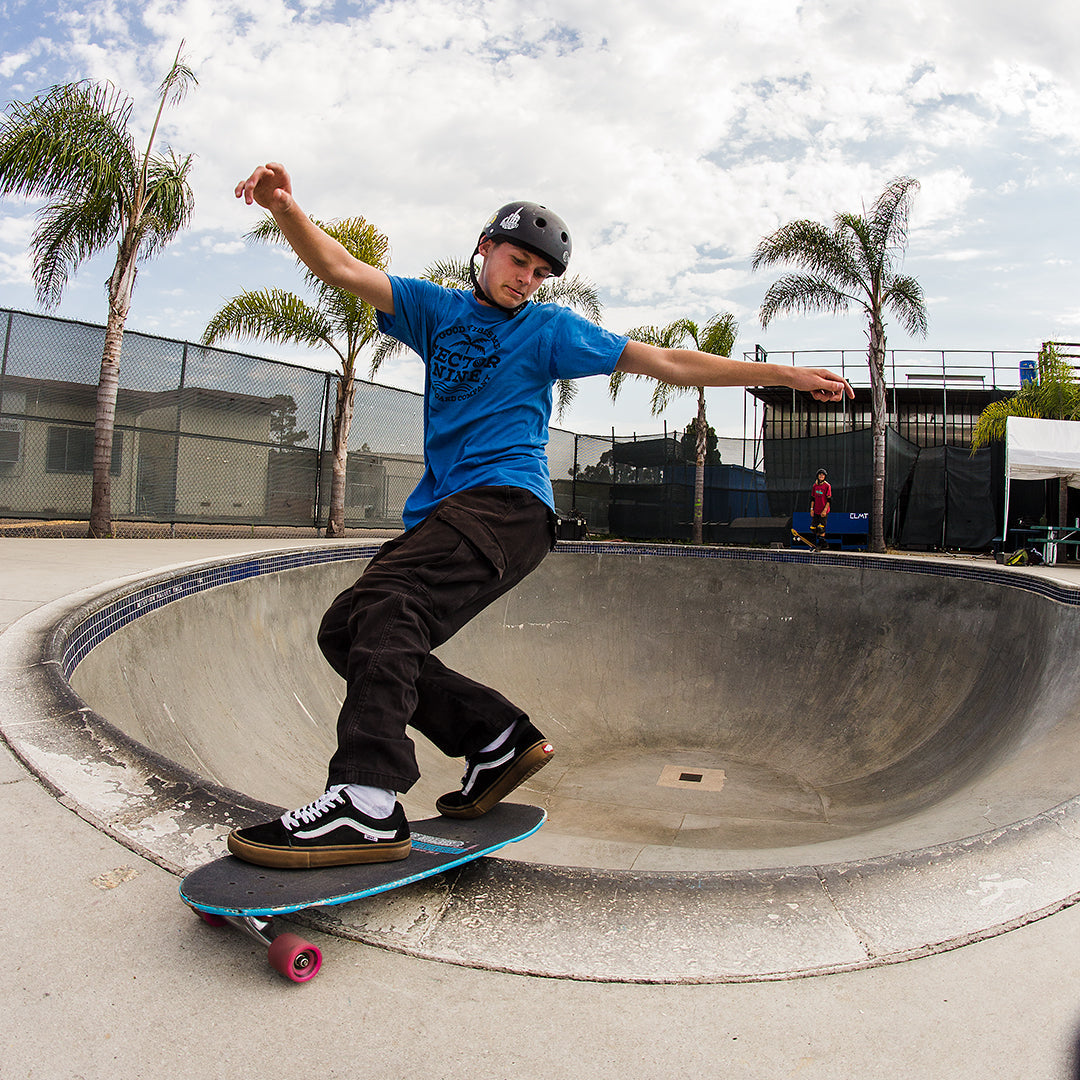
Road Etiquette For Longboarders
Longboarding on the road requires respect and care for others. Knowing the right road etiquette keeps everyone safe. It also helps you enjoy your ride without trouble. Follow these simple rules to be a responsible longboarder on the streets.
Following Traffic Signals
Always obey traffic lights and signs. Stop at red lights and stop signs. Move only when the light turns green or it is safe. Treat yourself like a vehicle on the road. This helps prevent accidents and confusion with drivers.
Yielding To Pedestrians
Give way to people walking on sidewalks or crosswalks. Slow down or stop if someone crosses your path. Respect their right to use public spaces safely. Being patient shows good manners and avoids collisions.
Sharing The Road With Vehicles
Ride on the right side, with the flow of traffic. Stay visible and avoid weaving between cars. Use hand signals to show turns or stops. Keep a safe distance from vehicles to react quickly. Sharing space calmly helps everyone reach their destination safely.
Techniques For Safe Riding
Riding a longboard on the road requires focus and skill to stay safe. Understanding key techniques helps you control your board and react to your environment. This section covers essential methods to keep your ride smooth and secure.
Speed Control And Braking
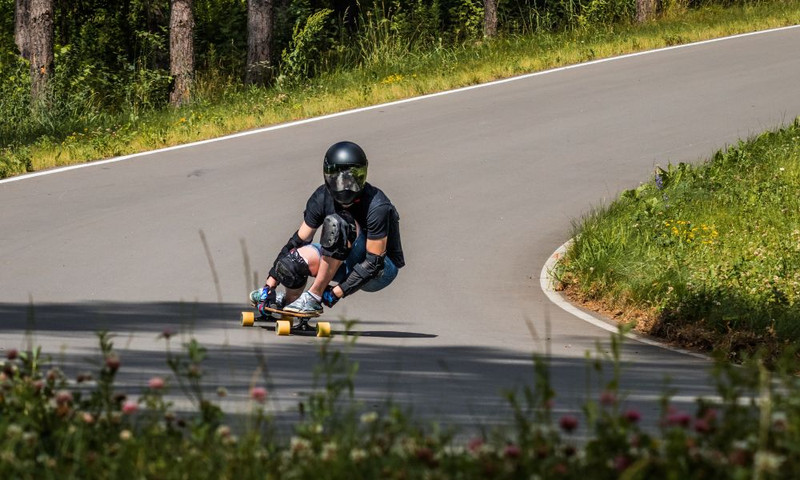
Controlling your speed is vital for safe longboarding on roads. Use your foot to slow down by dragging it gently on the ground. Practice sliding your board sideways to reduce speed quickly. Apply your brakes early to avoid sudden stops that can throw you off balance. Always adjust your speed to the traffic and road conditions.
Turning And Maneuvering
Turning smoothly helps you avoid obstacles and stay in control. Lean your body toward the direction you want to go. Keep your knees bent for better balance and flexibility. Use small, controlled movements to make sharp turns. Look ahead to plan your path and avoid sudden changes in direction.
Handling Different Road Surfaces
Road surfaces vary and affect your ride quality and safety. Slow down on rough or uneven pavement to prevent falls. Watch out for gravel, potholes, and cracks that can catch your wheels. Avoid wet or oily spots, as they reduce traction. Adjust your stance to absorb bumps and maintain control.
Credit: www.thelongboardstore.com
Preparing For Emergencies
Preparing for emergencies is a key part of safe longboarding on the road. Accidents can happen anytime. Being ready helps reduce injuries and stress. It also speeds up recovery in case of a fall or crash.
Longboarders should have simple plans and tools for emergencies. Basic knowledge and small gear make a big difference. This section covers three important tips for emergency preparation.
Carrying A First Aid Kit
Always bring a small first aid kit when longboarding on the road. Include bandages, antiseptic wipes, and pain relief. These items help treat cuts and scrapes quickly. A compact kit fits easily in a backpack or pocket. Having it ready saves time and prevents infections.
Knowing Emergency Contacts
Keep emergency contact numbers saved on your phone. Include local emergency services and a close friend or family member. Share your longboarding route with someone you trust. This helps others find you fast if you get hurt. Quick access to contacts can be lifesaving in serious situations.
Practicing Safe Falling Techniques
Learn how to fall safely to reduce injury risk. Try to roll on impact rather than landing stiff. Keep your arms close to your body to avoid broken wrists. Practice falling on soft ground before riding busy roads. Safe falling skills protect your body and build confidence.
Longboarding With Others
Longboarding with others adds fun and safety to your ride. Riding in a group helps you watch out for each other. It also makes the experience more social and enjoyable. However, riding together on the road needs extra care and planning.
Everyone must follow rules and stay alert. This keeps the group safe and prevents accidents. Here are some tips on how to longboard with others on the road.
Group Riding Tips
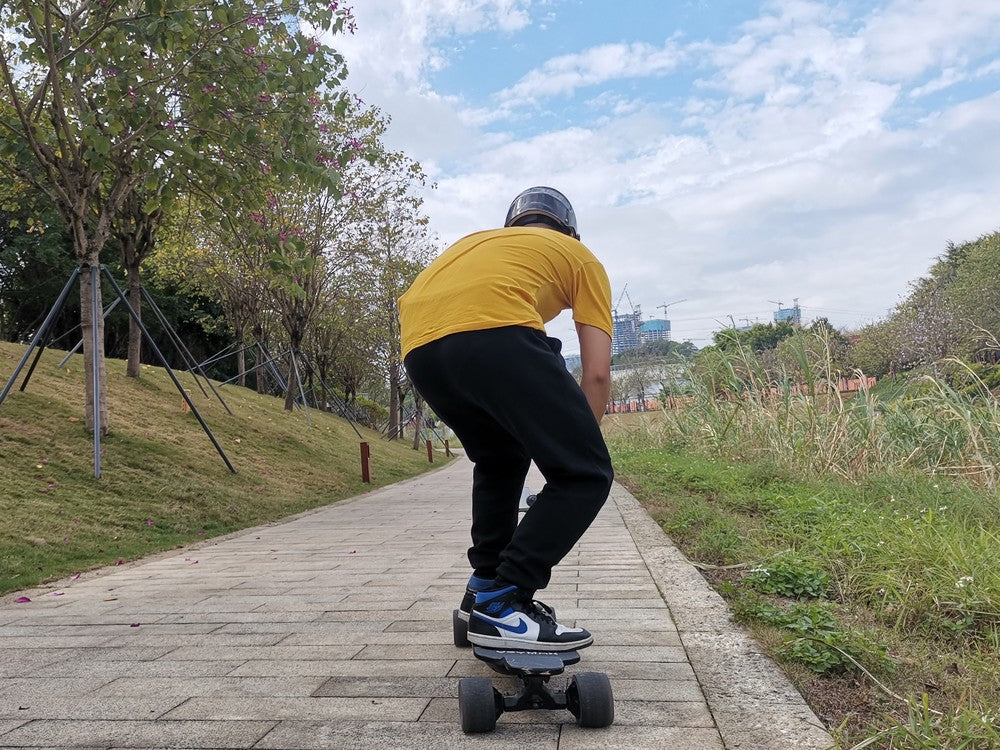
Before riding, plan your route and check traffic conditions. Keep your speed steady and match the slowest rider’s pace. Stay in a single line to avoid blocking the road. Use hand signals to show turns and stops. Wear protective gear like helmets and pads. Practice riding close but with enough space to stop safely.
Communication On The Road
Talk before the ride about hand signals and rules. Use clear hand signs for turning, stopping, and slowing down. Call out hazards like potholes, cars, or pedestrians. Stay close enough to hear each other but far enough to avoid collisions. Check in with riders often to make sure everyone is okay. Good communication prevents surprises and keeps the group together.
Respecting Other Road Users
Always respect drivers, cyclists, and pedestrians. Give way to cars and avoid riding in busy lanes. Use bike lanes where possible to stay safe. Do not block sidewalks or paths meant for walking. Keep noise low and avoid sudden moves. Being polite and careful helps everyone share the road peacefully.
Credit: veymax.com
Frequently Asked Questions
Can You Ride A Longboard On The Road?
Yes, you can ride a longboard on the road where local laws allow it. Always obey traffic rules, watch for cars, and choose low-traffic areas for safety.
Is It Illegal To Skateboard In Public?
Skateboarding legality in public varies by city and location. Some areas allow it; others restrict to designated zones. Always check local laws before skating. Follow traffic rules and avoid busy roads to stay safe and legal.
Are You Allowed To Skate On The Road?
Skating on roads is allowed in many places, but rules vary by city. Always check local laws and avoid heavy traffic. Follow traffic signals and prioritize safety for yourself and others.
Can I Ride My Skateboard In The Street?
Yes, you can ride your skateboard on most streets. Always check local laws and avoid heavy traffic for safety. Follow traffic rules and stay alert.
Conclusion
Longboarding on the road can be fun, but it needs caution and respect. Always check local laws before riding on streets. Choose quiet roads with little traffic for safer rides. Wear protective gear to reduce injury risks. Stay alert and watch for cars and pedestrians.
Remember, roads are mainly for vehicles, not skateboards. Practice good manners to keep everyone safe. Enjoy longboarding while making smart, safe choices every time you ride.

