
Have you ever wondered if your longboard can handle those big, powerful waves? Longboarding is often seen as a mellow, smooth ride on gentle swells, but what happens when the ocean turns wild, and the waves grow tall?
You might be asking yourself: Can you really longboard big waves? The answer isn’t just a simple yes or no—it depends on your skills, your board, and your mindset. You’ll discover what it takes to ride big waves on a longboard safely and confidently.
Ready to push your limits and see if your longboard can conquer the giants? Keep reading to find out everything you need to know before you paddle out into big surf.
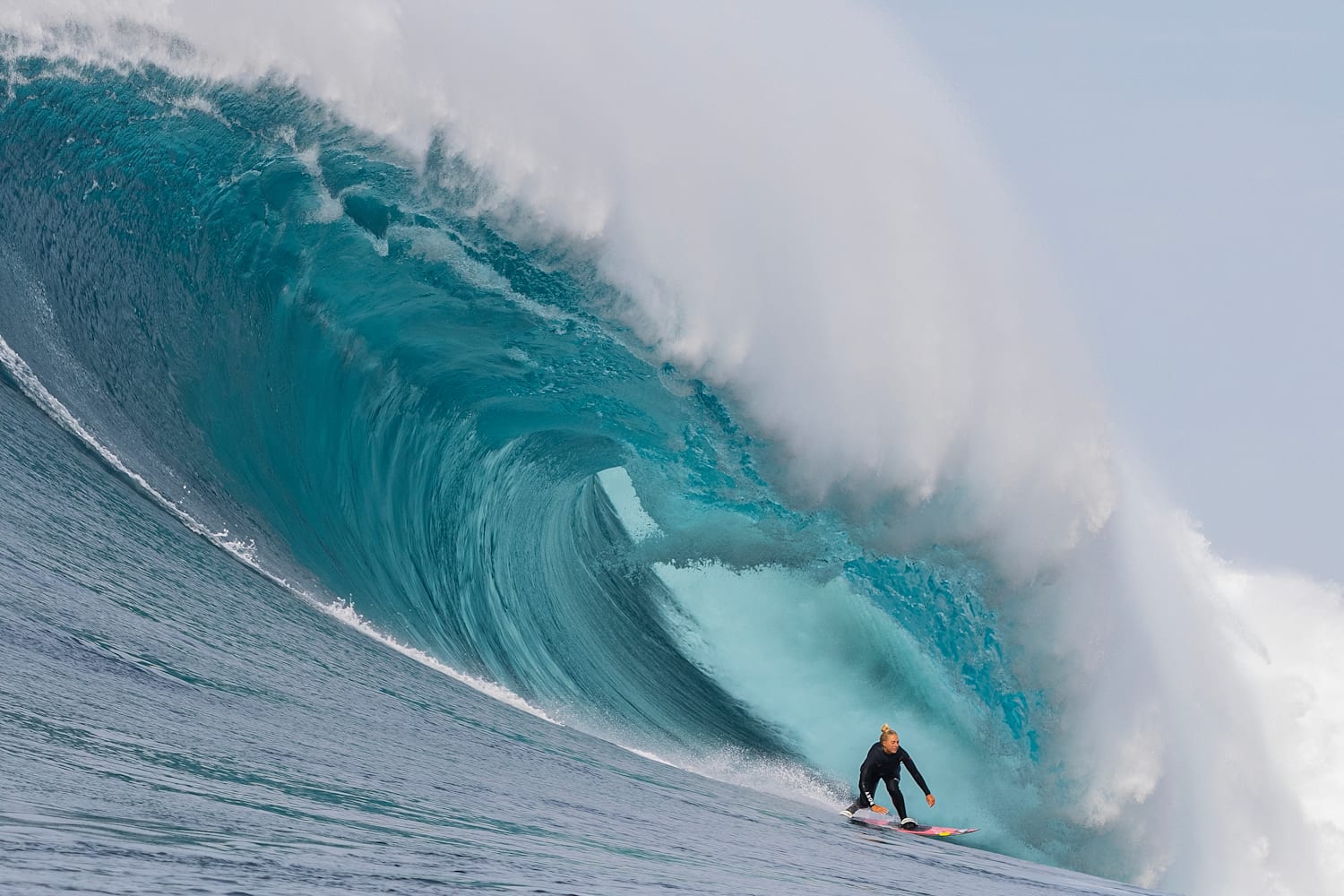
Longboarding Big Waves
Longboarding on big waves offers a unique thrill. The smooth glide and style make it special.
Big waves need careful choice of board and timing. Safety and skill play a big role.
Wave Size And Board Selection
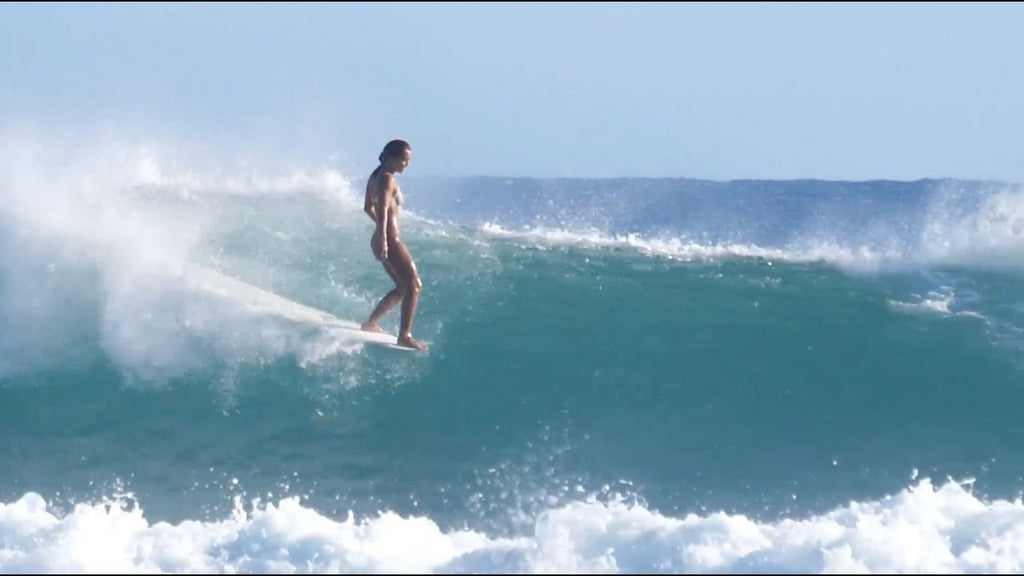
Longboards work best on waves up to head high or slightly bigger.
For bigger, powerful waves, a longer, thicker board helps with stability.
Choose a board with good volume to paddle into big waves early.
When To Choose A Longboard
Pick a longboard for big waves that are slow and rolling.
Longboards suit waves where you can stand and cruise smoothly.
They are great for waves that offer long rides with less steep drops.
Limitations Of Longboards In Big Surf
Longboards can be hard to control on fast, steep, or hollow waves.
They may be too slow to react in critical sections of big surf.
In very powerful waves, shorter boards offer quicker turns and safety.
Essential Skills For Big Wave Longboarding
Big wave longboarding demands skills beyond regular surfing. These skills help you handle the power and size of big waves safely. You need strength, precision, and sharp focus to ride big waves on a longboard.
Mastering these skills improves your wave control and increases your chances of a smooth ride. Each skill plays a crucial role in your performance and safety on the water.
Paddling Techniques For Power
Strong paddling is key to catching big waves early. Use deep, long strokes for maximum thrust. Keep your body low and streamlined on the board. This reduces drag and helps you move faster. Timing your paddle strokes with the wave’s speed is important. Practice quick bursts of paddling to match wave power.
Timing And Positioning On Waves
Position yourself where the wave starts to break. This spot gives the best push to catch the wave. Watch the wave’s shape and speed closely. Paddle hard just before the wave lifts you. Good timing stops you from getting caught behind or wiped out. Stay alert to changes in the wave’s behavior.
Maintaining Balance On Steep Faces
Big waves have steep, fast faces that challenge balance. Keep your knees bent and low to lower your center of gravity. Use your arms to adjust your balance quickly. Shift your weight smoothly to follow the wave’s curve. Look ahead, not down, to stay stable. Practice balance drills on flat water to improve control.
Board Types And Design
Choosing the right longboard for big waves is crucial. The design and type of board affect how you handle powerful surf. Different boards offer unique benefits. Understanding these differences helps you pick the best board for big wave longboarding.
Classic Vs. High-performance Longboards
Classic longboards have a rounded nose and a wide shape. They offer stability and smooth rides on gentle waves. These boards are great for cruising and small to medium waves.
High-performance longboards are slimmer and more agile. They have sharper rails and a narrower nose. This design helps with quick turns and speed on bigger waves. They respond faster but require more skill.
Hybrid Boards For Versatility
Hybrid boards mix features of classic and high-performance longboards. They balance stability and maneuverability. These boards work well for surfers who want to ride various wave sizes. Hybrids adapt better to changing wave conditions.
Board Length And Thickness Considerations
Longer boards provide more paddle power and easier wave catching. Boards over nine feet suit big, slower waves well. Thickness adds buoyancy, helping to float in heavy surf.
Thicker boards increase stability but may reduce control. Thin boards offer better responsiveness but need more skill to handle. Choose length and thickness based on wave size and your experience level.

Credit: www.youtube.com
Safety Tips For Riding Large Waves
Riding large waves on a longboard requires extra care and attention. Safety is the top priority before catching big waves. Understanding how to protect yourself helps you enjoy the experience without unnecessary risks.
Big waves bring powerful forces that can knock you off your board. Knowing safety tips helps you stay calm and prepared in tough situations.
Holding On During Wipeouts
Wipeouts on big waves can be strong and sudden. Hold your board tightly to avoid losing it. Try to protect your head with your arms when underwater. Stay relaxed and breathe slowly to save energy. Let the wave pass before you surface. Always be ready to dive deep to avoid the wave’s impact.
Navigating Crowded Lineups
Big wave spots often attract many surfers. Keep clear of other riders to prevent collisions. Respect the right of way and wait for your turn. Communicate with hand signals when needed. Stay aware of your surroundings at all times. Avoid dropping in on someone else’s wave to keep the peace.
Using Leashes And Safety Gear
Leashes are essential to keep your board close. Use a strong leash made for big waves. Check your leash for damage before each session. Wear a life vest or impact vest for extra flotation. Consider a helmet to protect your head. Safety gear increases your chances of a safe surf.
Training And Conditioning
Training and conditioning are essential for surfing big waves on a longboard. The physical demands of big surf require strong endurance, paddle power, and a calm mind. You must prepare your body and mind to handle fast, powerful waves safely. Consistent training improves your skills and confidence in challenging ocean conditions.
Building Endurance For Big Surf
Endurance helps you stay active during long sessions in the water. Swim regularly to boost your lung capacity and stamina. Running and cycling also increase your overall fitness. Practice paddling on your longboard in smaller waves to build water-specific endurance. Gradually increase your training time to avoid injury and fatigue.
Improving Paddle Strength
Paddle strength is key to catching big waves early. Use resistance bands and light weights to strengthen your shoulders and back. Focus on exercises that mimic paddling motions. Spend time practicing paddling with good form in calm water. Strong paddling helps you position better and catch waves with more control.
Mental Preparation For Challenging Conditions
Big waves can be intimidating and stressful. Train your mind to stay calm under pressure. Practice deep breathing and visualization before surfing. Imagine yourself handling tough waves confidently. Accept the risks and focus on your safety skills. Mental strength helps you react faster and stay in control.
Credit: www.hawaiiansouthshore.com
Expert Advice And Common Mistakes
Surfing big waves on a longboard requires skill and caution. Many surfers dream of riding huge waves with a longboard. The reality is challenging. Understanding expert advice and avoiding common mistakes can keep you safe and improve your experience.
Longboarding big waves is not just about courage. It demands knowledge of the ocean and your limits. Below are key points every longboard surfer should know before paddling out on big waves.
Avoiding Overconfidence
Overconfidence leads to risky decisions. Big waves can be unpredictable and dangerous. Always respect the power of the ocean. Know your skill level and do not push beyond it. Staying humble can save your life. Practice smaller waves first and build your confidence gradually.
Reading Wave Charts Accurately
Wave charts provide essential information about wave size and conditions. Learn to read them carefully. Pay attention to swell height, period, and wind direction. These factors affect how waves break. Accurate reading helps you choose the right day and spot for longboarding big waves. Ignoring charts can lead to unpleasant surprises in the water.
Knowing When To Leave Your Longboard At Home
Not every big wave session is suitable for a longboard. Some waves break too fast or steeply for a longboard to handle. In these cases, a shortboard or other equipment is safer. Know the limits of your longboard. Leave it behind if the waves are beyond your control or skill. Choosing the right board for the conditions is smart and safe.
Frequently Asked Questions
What Size Wave Is Best For A Longboard?
The best wave size for longboarding is between 1 to 4 feet. These waves offer smooth rides and easy paddling. Larger waves can be challenging and risky for longboards. Stick to small to medium waves for optimal control and enjoyment.
What Size Board Is Best For Large Waves?
For large waves, choose a board between 7 to 9 feet with a narrow, streamlined shape. This size offers control and speed.
How Big Is Too Big For A Longboard?
A longboard is too big if it hinders control or maneuverability. Typically, boards over 10 feet may feel too large. Choose a size that matches your skill and wave conditions.
Are 1/2 Ft Waves Surfable?
Yes, 1/2 ft waves are surfable, especially for beginners and longboarders. They offer gentle, easy rides.
Conclusion
Longboarding in big waves is possible but requires skill and caution. Choose the right board and know the ocean well. Big waves move fast, so timing is key. Always respect your limits and surf safely. Enjoy the challenge and the thrill of riding big waves.

