
Ready to ride the waves with style and grace? Longboard surfing offers a smooth, relaxed way to enjoy the ocean that’s perfect for beginners and seasoned surfers alike.
But how do you start longboard surfing and truly master the art? In this guide, you’ll discover simple, clear steps to get you standing, paddling, and turning with confidence. Whether you want to catch your first wave or improve your technique, you’ll find practical tips that make longboarding easier and more fun.
Dive in and unlock the secrets to gliding effortlessly on your longboard!
Choosing The Right Longboard
Choosing the right longboard is the first step to enjoying longboard surfing. The right board fits your skill, style, and the waves you want to ride. Picking a board that feels comfortable helps you learn faster and surf better. Consider the size, shape, material, and design details to match your needs.
Board Size And Shape
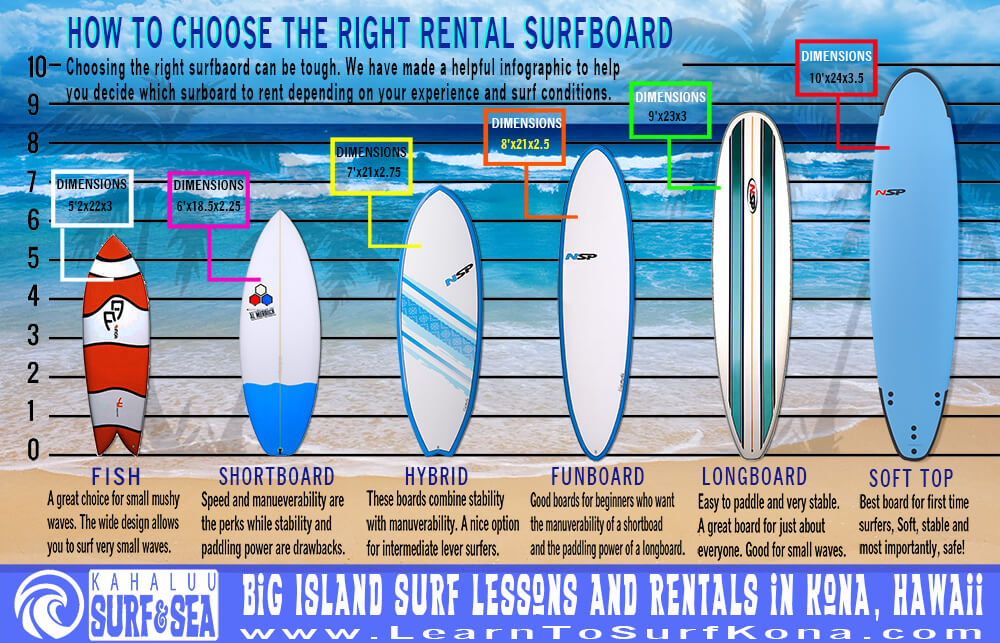
Longboards come in many sizes. Longer boards offer more stability and easier paddling. Shorter boards allow quicker turns and more control. The shape also matters. Rounded noses help with smooth rides. Narrow tails improve turning. Choose size and shape based on your comfort and wave type.
Material And Durability
Most longboards are made from foam, fiberglass, or epoxy. Foam boards are lightweight and good for beginners. Fiberglass boards are stronger and last longer. Epoxy boards resist dings and damage. Pick a material that fits your budget and how often you surf. Durable boards save money and time.
Tail And Nose Styles
The tail and nose affect how the board rides. A rounded nose makes it easier to walk forward and nose ride. A square tail gives more stability on turns. Pin tails help in bigger waves by improving control. Choose tail and nose styles to suit your surfing goals and wave conditions.
Essential Gear And Safety
Longboard surfing is fun and relaxing. Getting the right gear helps you enjoy it safely. Knowing safety rules keeps you protected in the water. Use gear made for comfort and security. This section covers the must-have equipment and key safety tips for beginners.
Leash And Wax
A leash connects your ankle to the board. It stops the board from drifting away after a fall. Always wear a leash to avoid losing your board. Wax keeps your feet from slipping on the board. Apply wax evenly on the deck before each session. Check your wax often and reapply if needed.
Wetsuits And Rash Guards
Wetsuits protect you from cold water and sunburn. They keep your body warm and safe from cuts. Choose a wetsuit that fits snugly but allows movement. Rash guards prevent skin irritation from the board and sun. Wear a rash guard under or instead of a wetsuit in warm water. Both help you stay comfortable while surfing.
Safety Tips For Beginners
Start in small, gentle waves to build confidence. Learn to fall safely by covering your head with your arms. Keep a safe distance from other surfers and swimmers. Always check the weather and water conditions before surfing. Never surf alone; bring a friend or surf near a lifeguard. Respect the ocean and your limits to stay safe.
Basic Techniques To Start
Starting to longboard surf requires learning some basic techniques. These skills help you control the board and enjoy the waves. Focus on paddling, positioning, and timing to get the best start. Practice these steps to build confidence in the water.
Paddling Efficiently
Use long, smooth strokes with your arms. Keep your body centered on the board. Avoid paddling too fast or too hard. This saves energy and helps you catch waves easier. Keep your head up and eyes forward to spot incoming waves.
Proper Positioning On The Board
Lie flat and place your chest slightly forward. Keep your feet near the tail of the board. Move forward or backward to balance the nose of the board. If the nose lifts too high, shift back. If it sinks, move forward slightly. Proper positioning keeps the board stable and fast.
Timing Your Takeoff
Watch the wave as it approaches. Start paddling hard before the wave reaches you. Match your speed with the wave’s speed. When you feel the wave lift the board, pop up quickly. Stand smoothly and keep your knees bent. Good timing helps you ride the wave longer and safer.
Mastering Smooth Rides
Longboarding on waves is about flow and grace. Smooth rides make the experience enjoyable and safe. To surf well, focus on balance and control. Practice moves that keep your ride steady and stylish. Here are key skills to help you glide effortlessly on the water.
Cross-stepping For Balance
Cross-stepping lets you move on the board without losing balance. Step one foot over the other in a smooth, controlled way. This helps you shift your weight while staying steady. Keep your knees slightly bent and look ahead. Practice slowly on land before trying it on waves. Cross-stepping builds confidence and improves your board control.
Weight Distribution And Control
Spread your weight evenly to keep the board stable. Lean too far forward, and the nose may dive. Lean back too much, and you lose speed. Find the middle ground by adjusting your foot placement. Use your arms for small balance corrections. Feel the board’s response under your feet. Good weight control helps you ride longer and smoother waves.
Nose Riding Techniques
Nose riding is a classic longboard move that shows skill. Move slowly to the front of your board while cross-stepping. Keep your weight light to avoid tipping over. Point your toes over the nose for a better grip. Look straight ahead to maintain focus and balance. Nose riding takes practice but offers a smooth, graceful ride.
Turning And Maneuvering
Turning and maneuvering on a longboard is key to enjoying the ride. It lets you control your direction and flow with the wave. These skills improve your balance and style on the board. Learning how to turn well makes surfing more fun and safe.
Swinging The Tail
Swinging the tail means shifting your weight to the back of the board. This action helps the tail slide sideways on the water. It creates a smooth turn while keeping your speed. To swing the tail, bend your knees slightly and lean back. Use your back foot to push the tail out gently. Practice this move slowly to gain control.
Using Your Head To Guide Turns
Your head leads your body when turning. Look in the direction you want to go. Your body and board will follow your gaze naturally. Keep your eyes focused on the spot ahead. Turn your shoulders and hips to match your head’s direction. This alignment makes your turns smooth and balanced.
Flowing With The Wave
Flowing with the wave means moving with its energy, not against it. Let the wave guide your speed and direction. Use gentle, smooth movements instead of sharp turns. Keep your weight balanced over the board. This flow helps maintain speed and control. Riding with the wave feels natural and graceful.
Common Challenges And Fixes
Longboard surfing offers a smooth, classic ride on the waves. Yet, beginners face some common challenges. These problems can slow progress and cause frustration. Knowing how to fix them helps surfers enjoy the experience more. Below are key issues and practical solutions.
Avoiding Nosedives
Nosedives happen when the front of the board dips underwater. This stops your ride abruptly and can cause falls. To avoid nosedives, shift your weight slightly back on the board. Keep your body low and balanced. Adjust your foot position if the nose feels too heavy. Look ahead, not down, to maintain control.
Recovering From Wipeouts
Wipeouts are part of learning longboard surfing. Staying calm after a fall is important. Protect your head and arms as you hit the water. Swim clear of your board to avoid injury. Practice paddling back to the lineup quickly. This keeps your session smooth and safe.
Adjusting To Different Wave Types
Waves come in many shapes and sizes. Longboards work well on small, slow waves but need adjustments on bigger ones. For steep waves, keep your weight centered to stay stable. On gentle waves, move forward on the board to catch them early. Watch the wave’s speed and shape to pick the best stance.
Progressing Like A Pro
Progressing like a Pro in longboard surfing means improving your skills step by step. It requires focus, patience, and smart practice. Small improvements add up to big gains over time. Follow these key ways to surf better and enjoy the waves more.
Practicing Consistently
Practice is the heart of progress. Surf regularly to build muscle memory and confidence. Try to surf different waves and conditions. This variety helps you adapt and learn faster. Even short sessions every few days make a difference. Consistent practice keeps your skills sharp and ready.
Analyzing Your Technique
Watch videos of your surfing to spot areas for improvement. Pay attention to your stance, balance, and paddle timing. Compare your moves to those of skilled surfers. Notice how they shift weight and turn smoothly. Self-review helps you fix mistakes and refine your style.
Learning From Experienced Surfers
Spend time with surfers who have more experience. Ask for tips and feedback on your technique. Observe how they read waves and choose lines. Surfing with others pushes you to try new things. Their guidance can speed up your learning curve significantly.
Longboard Surfing Etiquette
Longboard surfing etiquette keeps the ocean fun and safe for everyone. Surf spots are shared spaces. Respect and good manners help all surfers enjoy the waves. Following basic rules shows care for others and the environment.
Respecting Other Surfers
Always be polite and patient with other surfers. Avoid dropping in on someone else’s wave. Wait your turn and watch others carefully. Keep a safe distance to prevent collisions. A friendly attitude creates a positive vibe in the water.
Wave Priority Rules
The surfer closest to the wave’s peak has the right of way. Do not paddle around or cut in front of them. If two surfers catch the same wave, the one who stands up first has priority. Learn to read the waves and respect these rules to avoid conflicts.
Maintaining Surf Spots
Keep the beach and ocean clean by picking up trash. Respect local rules and avoid damaging coral or plants. Use the right entry and exit points to protect the environment. Teach others about caring for surf spots to keep them beautiful and healthy.
Credit: www.degree33surfboards.com
Frequently Asked Questions
How To Start Longboard Surfing?
Start by choosing a stable longboard and practicing paddling and balance on calm water. Learn to pop up smoothly and catch small waves. Focus on foot placement near the tail, then gradually move forward to control the board. Practice regularly to improve stance, turning, and wave riding skills.
Is It Easier To Surf On A Longboard?
Yes, longboards offer greater stability and a smoother ride, making surfing easier, especially for beginners.
Is Longboarding Difficult To Learn?
Longboarding is not very difficult to learn. Beginners can grasp basics within a week with consistent practice. Mastery requires time, patience, and effort.
How Long Does It Take To Learn To Longboard Surf?
Learning to longboard surf usually takes a few hours to a month. Consistent practice improves balance and wave riding skills quickly.
Conclusion
Longboard surfing brings joy with patience and practice. Start small, focus on balance, and enjoy the waves. Each ride improves your skills and confidence. Remember, every surfer began as a beginner, too. Keep trying, stay safe, and have fun in the water.
Surfing is about feeling free and connected to the ocean. Take your time and celebrate each small success. The ocean is always ready for your next ride.

