
Are you wondering whether a longboard or a skateboard will get you to your destination faster? If speed and smooth riding are what you’re after, choosing the right board can make all the difference.
Both longboards and skateboards look similar at first glance, but they perform very differently when it comes to cruising speed, stability, and control. You’ll discover which board truly holds the edge in speed and why that matters for your riding style.
Stick around to find out which one matches your needs and how you can get the most out of your ride!
Speed Factors
Speed depends on several key factors that affect how fast a longboard or skateboard can go. Each element plays a role in acceleration, top speed, and control. Understanding these factors helps riders choose the right board for their needs.
Deck Design
Deck length and shape impact speed and stability. Longboards usually have longer decks, which provide better balance at high speeds. Skateboards have shorter decks, making them quick for tricks but less stable when going fast. The flex of the deck also matters. A flexible deck can absorb shocks, but a stiff deck transfers more power to the wheels for faster rides.
Wheel Size And Hardness
Bigger wheels roll over cracks and bumps more easily, increasing speed. Longboards often use larger wheels, around 70mm to 75mm, which help maintain momentum. Skateboards use smaller wheels, usually 50mm to 54mm, for quick turns but slower rides on rough surfaces. Wheel hardness affects grip and speed, too. Softer wheels grip better but slow down on smooth surfaces. Harder wheels spin faster but can slip more.
Truck Types And Setup
Trucks connect the wheels to the deck and affect turning and stability. Longboard trucks are wider and more flexible, offering smooth turns and stable rides at high speed. Skateboard trucks are narrower and stiffer, designed for quick turns and tricks. Proper truck tightness also matters. Loose trucks help with carving but reduce speed. Tight trucks increase stability but limit maneuverability.
Rider Weight And Position
Heavier riders can push a board faster due to momentum but may face slower acceleration. Lighter riders accelerate quickly but may struggle to maintain top speed. Rider position affects wind resistance and balance. Leaning forward reduces drag and helps gain speed. Standing upright creates more air resistance and slows the rider down.
Longboard Speed
Longboard speed plays a key role in why many riders choose this board type. It offers smooth, fast rides on various surfaces. The design of a longboard focuses on stability and speed, making it ideal for cruising and downhill rides. Understanding its speed characteristics helps compare it better with skateboards.
Typical Speed Range
Longboards typically reach speeds between 15 and 30 miles per hour. This range depends on factors like rider skill and terrain. Beginners usually ride slower to maintain control. Experienced riders can push their speed higher, especially on smooth roads or downhill paths.
Advantages of Cruising
Longboards have larger, softer wheels that absorb bumps well. This makes cruising comfortable and fast on rough surfaces. The wider deck offers better balance, allowing riders to maintain speed easily. The shape also helps with smooth turns without losing momentum.
Downhill Performance
Longboards excel in downhill riding due to their stability and speed. The longer deck and wheelbase keep the rider steady at high speeds. Special downhill longboards have features like stiff decks and precise trucks for better control. This helps riders safely reach speeds above 40 miles per hour.
Skateboard Speed
Skateboards are designed for agility and quick movements. Their speed depends on many factors, like wheel size, deck shape, and riding surface. Skateboard speed is often balanced with the need for control during tricks and maneuvers.
Unlike longboards, skateboards focus more on short bursts of speed rather than long-distance cruising. This makes them ideal for street and park settings where quick acceleration matters most.
Typical Speed Range
Skateboards usually reach speeds between 10 to 15 miles per hour. Experienced riders can push this limit on smooth pavement or downhill slopes. Smaller wheels and harder surfaces reduce friction, allowing for faster rides.
However, skateboards rarely exceed 20 miles per hour due to their design. Their compact size and wheel hardness prioritize control and trick performance over top speed.
Suitability For Tricks
Skateboards excel at tricks because of their size and shape. The smaller deck lets riders flip and spin the board easily. Hard wheels provide better grip for ollies and grinds.
Speed is controlled to maintain balance during complex moves. Too much speed can make tricks harder to land. Riders often slow down before attempting technical maneuvers.
Street And Park Riding Impact
In street and park environments, speed helps with momentum but must be managed carefully. Skateboards allow quick bursts of speed for jumps and ramps. Riders need to brake or slow down smoothly to avoid falls.
The board’s design supports fast turns and quick stops. This agility is crucial for navigating obstacles and tight spaces. Skateboard speed is about a balance between movement and control.
Terrain Influence
Terrain plays a big role in deciding which board is faster. The type of surface affects speed and control. Longboards and skateboards react differently based on where you ride. Understanding terrain impact helps pick the right board for your needs.
Smooth Pavement
Smooth pavement offers the best conditions for speed. Longboards usually shine here with their larger, softer wheels. These wheels roll over cracks and small bumps easily. Skateboards have smaller, harder wheels that grip well but can slow down on rough spots. On flat, smooth surfaces, longboards often reach higher speeds with less effort.
Rough Surfaces
Rough surfaces challenge both boards but affect them differently. Longboards handle rough terrain better due to wheel size and flexibility. Their bigger wheels absorb shocks, keeping the ride steady. Skateboards struggle more because their small, hard wheels hit every bump. This makes skateboards slower and less comfortable on rough ground.
Uphill And Downhill Riding
Uphill riding tests your strength and board efficiency. Longboards perform better uphill because of their stability and momentum. Their design helps maintain speed with less effort. Skateboards require more pushing and balance on climbs. Downhill riding favors longboards greatly. Their wide decks and stable trucks allow faster, safer descents. Skateboards can reach good speeds but need more skill to control on slopes.
Stability And Control
Stability and control are key factors in choosing between a longboard and a skateboard. Both affect how fast you can safely go and how comfortable you feel while riding. Understanding these differences helps you pick the right board for your needs.
Balance Differences
Longboards have wider decks, which offer more space for your feet. This makes balancing easier, especially at high speeds. Skateboards have smaller decks, so you need better balance and focus to stay steady. Beginners often find longboards more stable to stand on.
Turning And Maneuverability
Skateboards turn sharply because of their smaller size and tighter trucks. This helps with quick tricks and fast direction changes. Longboards turn smoothly but need wider turns due to their length. This smooth turning helps maintain control while riding fast on straight paths.
Impact On Speed Maintenance
Longboards keep speed better because their stability lets riders feel secure. You can push harder without worrying about wobbling. Skateboards require more skill to maintain speed since balance is harder. Riders often slow down to keep control of their skateboards.
Choosing Based On Goals
Choosing between a longboard and a skateboard depends on what you want to do. Each board suits different goals and styles. Think about how you plan to use your board before deciding. This approach helps you pick the right board for your needs.
Commuting And Cruising
Longboards are better for commuting and cruising. They have bigger wheels that roll smoothly over cracks and bumps. This makes rides faster and more comfortable on roads and sidewalks. Longboards are designed for stability and distance, helping you travel easily.
Skateboards have smaller wheels and a shorter deck. They work well for short rides but feel rough on uneven surfaces. They slow you down when riding longer distances. For smooth, fast rides, longboards are the practical choice.
Learning Tricks
Skateboards are ideal for learning tricks. Their smaller size and hard wheels let you flip and grind on rails and ledges. Skateboards respond quickly to your movements, making tricks easier to perform.
Longboards are less suited for tricks. Their size and wheel softness reduce the maneuverability needed for flips and spins. If your goal is to learn tricks, skateboards offer better control and speed.
Beginner Friendly Options
Longboards are beginner-friendly because they feel stable and smooth. The wide deck gives more balance support. Large, soft wheels absorb shocks, making the ride gentle. This helps beginners gain confidence quickly.
Skateboards require more balance and skill at the start. Their small decks and hard wheels can feel unstable. Beginners may find it harder to stay steady at first. Practice helps, but longboards offer a simpler start.
Improving Your Speed
Improving your speed on a longboard or skateboard depends on several factors. Small changes to your setup and riding style can boost your pace. Focus on key areas like wheels, bearings, trucks, and your own technique. These steps help you go faster and ride smoother on any surface.
Upgrading Wheels And Bearings
Choose wheels that suit your riding style. Larger and softer wheels roll over cracks and rough patches easily. Harder wheels slide better but may slow you down on rough ground. High-quality bearings reduce friction and spin faster. Clean and lubricate bearings regularly for best performance. Better wheels and bearings make a big difference in speed.
Adjusting Truck Tightness
Trucks control how your board turns and feels. Looser trucks allow sharper turns but can slow you down. Tighter trucks offer more stability at high speeds. Find a balance that suits your riding style. Adjust truck tightness with a skate tool to improve control and speed. Properly tuned trucks help maintain momentum on fast rides.
Riding Techniques For Speed
Good riding techniques improve your speed without a new gear. Keep your body low and lean forward to reduce wind resistance. Push off with strong, smooth strokes to build momentum. Use pumping motions on longboards to gain speed without pushing. Practice carving to maintain speed on turns. Mastering these techniques helps you go faster safely.
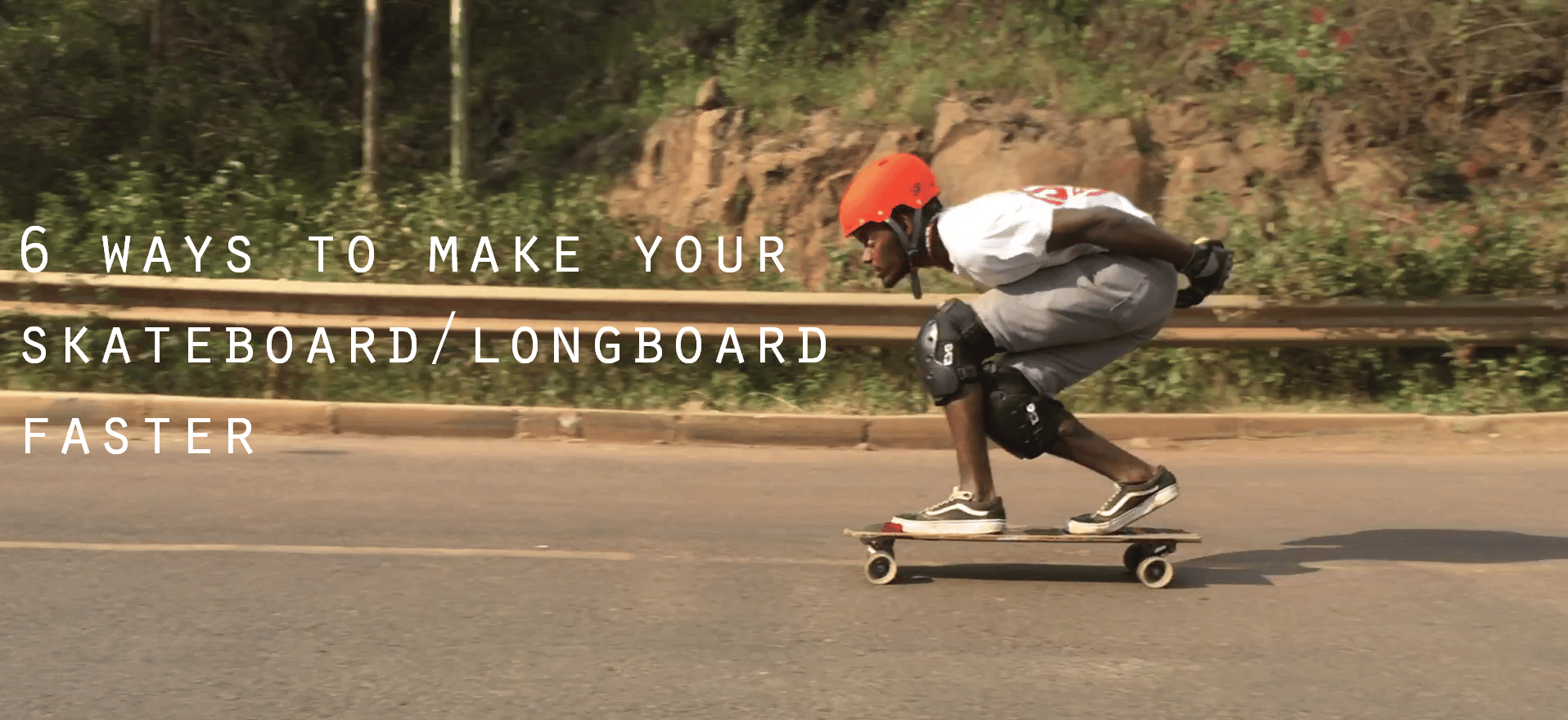
Credit: downhill254.com
Frequently Asked Questions
Are Longboards Or Skateboards Faster?
Longboards are generally faster due to larger, softer wheels that roll smoothly over rough surfaces. Skateboards have smaller, harder wheels for tricks, making them slower on flat ground.
Is Longboarding Harder Than Skateboarding?
Longboarding feels easier for beginners due to its larger, stable deck and softer wheels. Skateboarding demands more balance and skill, especially for tricks. Difficulty depends on your goals: longboards suit cruising, skateboards suit technical tricks.
How Fast Can A Longboard Go?
Longboards can reach speeds of 20 to 40 mph, depending on the rider’s skill and terrain. Downhill longboarding often exceeds 40 mph.
How Much Faster Is Longboarding Than Walking?
Longboarding is typically 2 to 3 times faster than walking. It offers smoother and quicker transportation over various terrains.
Conclusion
Longboards generally offer faster, smoother rides on flat or downhill paths. Their larger wheels and longer decks help maintain speed with less effort. Skateboards excel in tricks and quick maneuvers, but usually feel slower on long distances. Your choice depends on what you want: speed and comfort or agility and tricks.
Both boards have unique strengths and suit different styles. Consider your riding goals before deciding which board fits you best. Either way, enjoy the ride and keep practicing to improve your skills.

