
Are you torn between choosing a longboard or a shortboard for your next surfing adventure? Picking the right board can make all the difference in how much fun you have on the waves.
Whether you want smooth, easy rides or fast, sharp turns, your choice affects your balance, speed, and style. In this guide, you’ll discover the key differences between longboards and shortboards, helping you find the perfect match for your skill level and the type of waves you love.
Keep reading to make a confident decision that will boost your surfing experience from the very first paddle out.
Longboard Features
Longboards offer a unique surfing experience. Their design focuses on smooth rides and ease of use. Many surfers enjoy longboards for their stability and classic style. Understanding the key features helps decide if a longboard suits your needs.
Size And Shape
Longboards are usually eight feet or longer. They have a rounded nose and a wider body. This shape helps with balance and smooth gliding. The size makes them easier to catch waves early. They are heavier but provide a steady ride.
Stability And Paddling
The wide surface area adds stability on the water. Paddling feels less tiring due to the large size. Beginners find it easier to stand up on longboards. The stability helps maintain balance during turns and maneuvers. This makes learning to surf less frustrating.
Ideal Wave Conditions
Longboards perform best in small to medium waves. Gentle, rolling waves allow smooth rides and long glides. They are less suited for steep, fast waves. Perfect for calm days or beach breaks. Riding in these conditions gives a relaxed surfing experience.
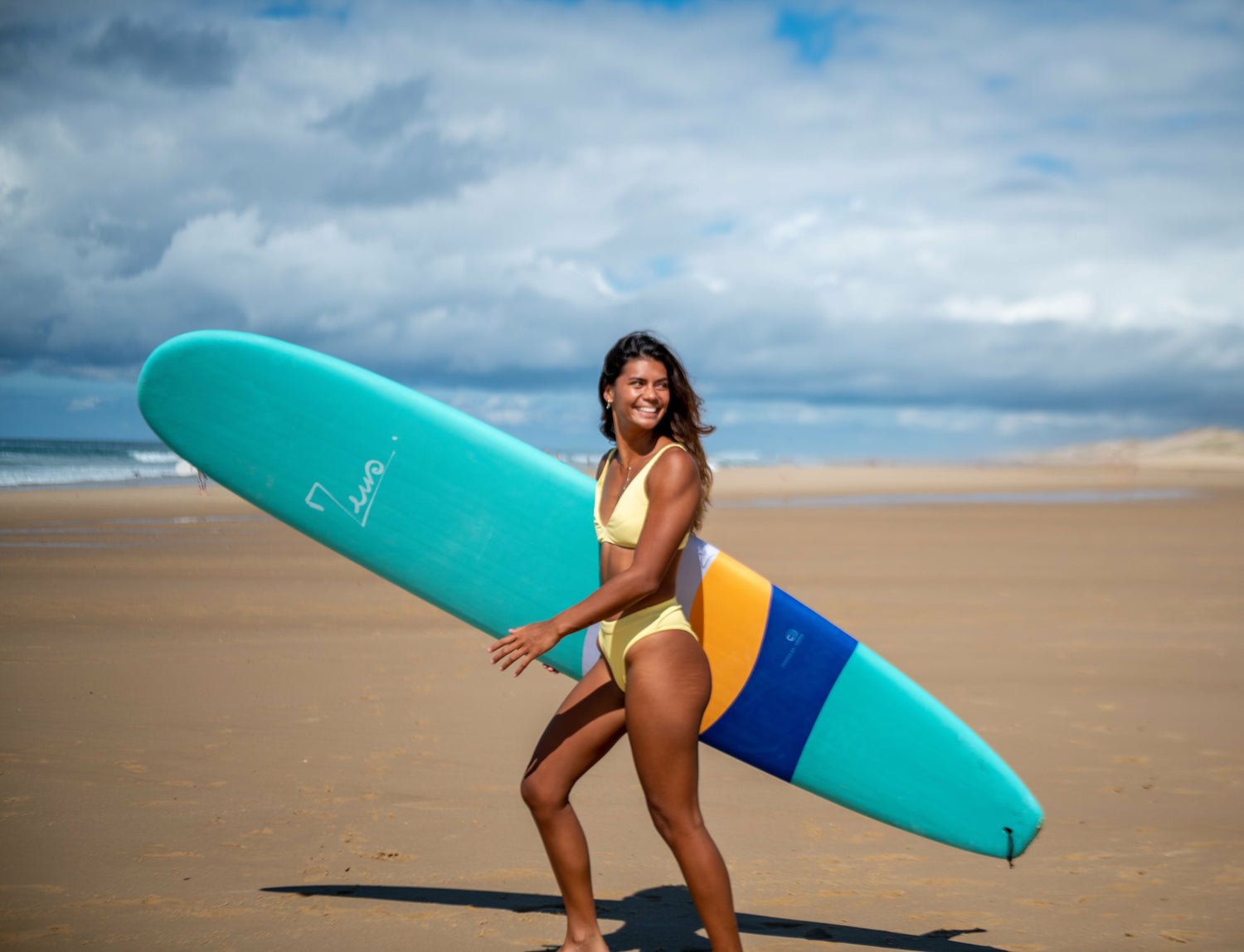
Credit: zeus-surf.com
Shortboard Features
Shortboards are designed for surfers who want speed and sharp control. They are smaller and lighter than longboards. This makes them easy to turn quickly. Shortboards suit surfers who enjoy fast, powerful waves and performing tricks.
The features of shortboards help surfers push their skills. They focus on maneuverability and performance over stability. Knowing these features helps you decide if a shortboard fits your style.
Design And Maneuverability
Shortboards have a pointed nose and a narrow shape. This design helps cut through waves smoothly. Their small size allows quick turns and fast moves. Surfers use shortboards to ride steep and fast waves.
The tail of a shortboard is usually narrow, which improves control. The fins help with sharp direction changes. This board type favors surfers who want to perform tricks and sharp cutbacks.
Speed And Performance
Shortboards are built for speed. Their shape reduces drag in the water. This helps surfers reach high speeds on waves. The lightweight design aids in quick acceleration.
Performance is high because shortboards respond fast to the surfer’s movements. This makes them ideal for advanced surfers. They can make rapid turns and aerial moves with a shortboard.
Best Wave Types
Shortboards work best on steep, powerful waves. These waves give the speed needed to use the board well. They are not good for small or slow waves.
Surfers pick shortboards for beach breaks and reef breaks with strong waves. These boards handle breaking waves and fast wave sections easily. They are less suited for gentle, rolling waves.
Pros And Cons Comparison
Choosing between a longboard and a shortboard depends on what you want from your ride. Both have unique benefits and challenges. Understanding these can help you pick the right board for your style and skill level.
Advantages Of Longboards
Longboards offer great stability and balance. They are easier to paddle and catch waves with. Their length helps beginners learn basic skills faster. Longboards provide smooth, flowing rides on small waves. They allow relaxed cruising and classic surfing styles.
Drawbacks Of Longboards
Longboards are heavier and harder to carry. They are less responsive to quick turns. Maneuvering on steep or fast waves is more difficult. Longboards need more space to store and transport. They are not ideal for sharp tricks or high-performance surfing.
Advantages Of Shortboards
Shortboards are small and lightweight. They offer high maneuverability and speed. Perfect for sharp turns and advanced moves. They work well in steep, powerful waves. Shortboards help surfers progress and improve skills quickly.
Drawbacks Of Shortboards
Shortboards are harder to balance on. Paddling requires more effort and strength. Catching waves is challenging for beginners. They provide less stability, increasing the chance of falling. Shortboards are less suitable for small, gentle waves.
Skill Level Considerations
Choosing between a longboard and a shortboard depends a lot on your skill level. Each board suits different stages of surfing growth. Knowing which fits your current ability helps you enjoy surfing more and improve faster.
Beginners And Longboards
Longboards are perfect for beginners. They are bigger and more stable. This size helps new surfers balance easily. Longboards also paddle better, so catching waves is simpler. They move more slowly, giving more time to react. Learning to stand up on a longboard builds confidence. The gentle ride teaches the basics without pressure. Most beginners find longboards less scary and more fun.
Intermediate To Advanced And Shortboards
Shortboards fit surfers with more experience. They are smaller and lighter. This makes them fast and highly maneuverable. Advanced surfers use shortboards to do sharp turns and tricks. These boards work best on powerful, steep waves. They demand good balance and quick reflexes. Beginners may find shortboards tough to control. For those ready to push limits, shortboards offer greater challenge and excitement.
Surfing Styles And Techniques
Surfing styles and techniques shape the whole experience on the water. They depend on the type of board you choose. Longboards and shortboards offer very different rides. Each style suits different skill levels and wave conditions.
Understanding these styles helps you decide which board fits your goals. It also improves your technique and enjoyment. Below, explore the key differences in riding styles and pop-up methods.
Longboard Riding Style
Longboarding is smooth and relaxed. You glide on gentle waves with steady balance. The bigger board gives more stability. This style suits beginners and those who enjoy cruising. Longboard surfers often use graceful, flowing turns. They also walk to the board’s nose for classic moves. The ride feels calm and stable, great for small waves.
Shortboard Riding Style
Shortboarding is fast and aggressive. Small boards react quickly to sharp turns. Surfers use this style on powerful, steep waves. It allows for tricks and quick maneuvers. This style fits experienced surfers seeking excitement. Shortboards require more skill to balance and paddle. The ride is dynamic and thrilling, perfect for challenging surf.
Pop-up Techniques
The pop-up is the move from lying down to standing. On longboards, the pop-up is smooth and slow. Surfers push up gently and step up with control. On shortboards, the pop-up is quick and explosive. Surfers jump up fast to keep balance on the small board. Mastering the right pop-up helps catch waves easily and ride well.
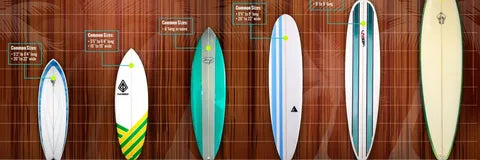
Choosing Based On Conditions
Choosing between a longboard and a shortboard depends largely on the wave conditions. Each board type performs best in specific settings. Understanding these helps you pick the right board for your surf session.
Small And Gentle Waves
Longboards excel in small, gentle waves. Their size and buoyancy make paddling easier. They allow smooth, steady rides and graceful turns. Beginners find them perfect for learning balance and wave timing. Shortboards struggle here due to less volume and speed in weak waves.
Powerful And Steeper Waves
Shortboards are designed for powerful, steep waves. They offer quick turns and high maneuverability. Skilled surfers use them to perform tricks and sharp cutbacks. Longboards can be hard to control in these waves because of their size. Shortboards give better control and response in fast, hollow waves.
Wave Frequency And Size
Wave frequency affects board choice too. If waves come slowly but are large, a longboard helps catch them easily. For frequent, smaller waves, shortboards allow faster paddling and quick adjustments. Match the board to wave size and how often waves break. This balance boosts your surfing experience.
Portability And Handling
Portability and handling play a big role in choosing between a longboard and a shortboard. These factors affect how easy it is to carry, transport, and store your board. They also impact your comfort and convenience before and after surfing sessions. Understanding these differences helps you pick the right board for your lifestyle.
Carrying And Transporting Boards
Longboards are larger and heavier than shortboards. This size makes longboards harder to carry for long distances. They often need two hands or a special bag for transport. Shortboards are lighter and smaller. You can easily carry them under one arm or fit them in small spaces.
Transporting longboards may require roof racks or larger vehicles. Shortboards fit well in cars with limited space. Their compact size allows quick loading and unloading. Choose your board based on how you plan to travel to the beach.
Storage Considerations
Longboards take up more room in your home or garage. They need wide, flat areas to avoid damage. Storing them vertically against a wall can save space but risks warping if not done correctly. Shortboards require less space and can be stored on racks or shelves easily.
Both boards need dry, shaded spots to prevent sun and moisture damage. Proper storage extends the life of your board. Think about your available space before buying a board. Portability and storage should match your living and travel habits.
Personal Preferences And Goals
Choosing between a longboard and a shortboard depends largely on your personal preferences and goals. Each board suits different styles of surfing and skill levels. Understanding what you want from surfing helps in picking the right board. Your choice affects how you ride waves, your comfort, and your learning curve.
Cruising And Classic Surfing
Longboards offer a smooth and relaxed ride. They glide easily on small, gentle waves. This style suits those who enjoy classic surfing and cruising. Longboards are stable and easy to paddle. They allow you to catch waves early and enjoy long rides. Perfect for beginners and those who want a calm experience on the water.
Performance And Tricks
Shortboards excel in speed and sharp turns. They respond quickly to your movements. Ideal for surfers who want to perform tricks and advanced maneuvers. Shortboards work best on steeper, more powerful waves. They require more skill but offer greater excitement and challenge. Choose a shortboard if you want to push your limits and improve fast.
Long-term Progression
Your surfing journey matters when choosing a board. Starting with a longboard builds balance and confidence. It helps you learn basic skills easily. Moving to a shortboard later boosts your performance and agility. This path suits most surfers aiming to advance. Pick a board that matches your current level and future goals.
Frequently Asked Questions
What Are The Main Differences Between Longboards And Shortboards?
Longboards are longer, stable, and great for beginners and small waves. Shortboards are smaller, agile, and designed for advanced maneuvers in powerful waves.
Which Board Is Better For Beginners To Learn Surfing?
Longboards are ideal for beginners due to their stability and easy paddling, making wave catching simpler for new surfers.
Can Shortboards Help Improve Surfing Skills Faster?
Yes, shortboards enhance maneuverability and speed, helping experienced surfers progress with sharp turns and advanced tricks.
Which Board Suits Small, Gentle Waves Best?
Longboards excel in small, mellow waves, providing smooth rides and effortless paddling for a relaxed surfing experience.
Conclusion
Choosing between a longboard and a shortboard depends on your surfing style. Longboards offer stability and ease, perfect for beginners and calm waves. Shortboards provide speed and sharp turns, suited for experienced surfers on powerful waves. Both boards have unique benefits and challenges.
Think about your skill level and the wave conditions you enjoy. Try both if you can, to feel which fits you best. Enjoy the water and have fun riding your perfect board!

