
Are you trying to decide between a longboard and a cruiser for your next ride? Choosing the right board can change how much fun you have and how comfortable you feel while skating.
If you want smooth rides across town, or if you’re looking to carve down hills with speed, your choice matters. You might wonder which board suits your style, skill level, and daily needs best. You’ll discover the key differences between longboards and cruisers, so you can pick the perfect board that matches your lifestyle and gets you rolling with confidence.
Keep reading to find out which one fits you!
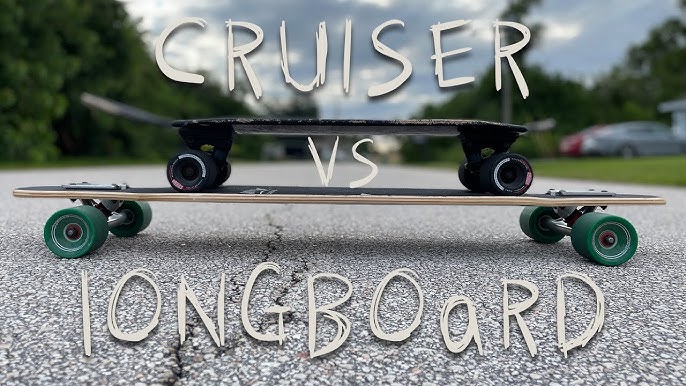
Credit: www.youtube.com
Longboard Basics
Longboards offer a unique riding experience. They differ from cruisers in shape, size, and purpose. Understanding the basics helps you decide which suits you best.
Design And Size
Longboards are generally longer and wider than cruisers. Length ranges from 33 to 59 inches. Their shape often includes a pointed or rounded nose. The wider deck gives more foot space. This design provides stability and balance. The size helps with smooth riding over long distances.
Wheel Type And Ride Feel
Longboard wheels are larger and softer. They usually range from 65 to 75 millimeters in diameter. Soft wheels absorb bumps and cracks on the road. This makes the ride smoother and more comfortable. The wheels grip better on different surfaces. Riders feel more control during fast turns and downhill rides.
Common Uses
Longboards are great for cruising and commuting. They work well on flat roads and gentle slopes. Many riders use them for downhill racing and carving. The stability makes them good for beginners. Longboards are less suited for tricks and jumps. They focus on smooth, long-distance rides instead.
Cruiser Features
Cruisers offer a unique ride that fits well in city streets and for short trips. They blend ease and fun in a small package. Understanding cruiser features helps decide if it suits your style.
These boards focus on quick turns and easy carrying. Their design supports casual rides and short commutes. Here are the key features that define cruisers.
Compact And Portable Design
Cruisers are small and light. This makes them easy to carry on buses or in backpacks. Their size lets you store them in tight spaces. Perfect for city dwellers and travelers.
The compact shape helps riders weave through crowds. You can take them anywhere without much hassle. This portability sets cruisers apart from larger boards.
Wheel And Deck Characteristics
Cruiser wheels are soft and wide. They absorb shocks from rough roads. This gives a smooth and comfortable ride. The deck is usually shorter and narrower than longboards.
The deck shape often has a kicktail. This helps with quick turns and tricks. Wood or composite materials keep the deck strong yet light. These features make cruisers great for city riding.
Typical Riding Style
Cruisers are best for short, fast trips. Riders use them to move through traffic or around campuses. They excel at quick turns and stops. Not designed for high speeds or downhill racing.
The style is casual and fun. Many riders enjoy cruising without stress. It suits those who want easy control and quick responsiveness. Perfect for daily urban travel or relaxed rides.
Performance Comparison
Choosing between a longboard and a cruiser means understanding their performance differences. Both boards serve different riding styles and needs. Comparing their speed, stability, maneuverability, and terrain adaptability helps in making the right choice.
Each board offers unique advantages. Knowing these will guide you to pick the board that matches your riding goals.
Speed And Stability
Longboards usually provide higher speeds due to their longer decks and bigger wheels. This design helps maintain balance at fast speeds. Cruisers tend to be slower but offer enough speed for casual rides. They are stable at lower speeds but can feel less steady on fast runs.
Maneuverability And Agility
Cruisers excel in tight turns and quick direction changes. Their smaller size and lighter weight make them easy to carry and control. Longboards are less agile but better for smooth, sweeping turns. They require more space to turn sharply compared to cruisers.
Terrain Adaptability
Longboards handle rougher surfaces like cracked pavement and small hills well. Their larger wheels absorb bumps better. Cruisers work best on smooth, flat surfaces such as sidewalks and boardwalks. They may struggle on uneven or rough terrain due to smaller wheels.
Tricks And Riding Styles
Choosing between a longboard and a cruiser affects the tricks you can try and your riding style. Each board offers unique ways to enjoy the ride. Understanding these differences helps you pick the right one for your needs.
Cruiser Trick Potential
Cruisers are small and light. They are good for quick turns and street tricks. Ollies and kickflips are easier on cruisers because of their shape. You can do tricks in crowded areas or city streets. Cruisers allow for more freestyle and technical moves.
Longboard Carving And Downhill
Longboards are built for speed and smooth rides. They excel at carving wide turns and downhill runs. The large wheels and longer deck give stability at high speeds. This makes longboards perfect for fast cruising and racing. Tricks on longboards focus on balance and flow rather than quick flips.
Hybrid Options
Some boards mix features of cruisers and longboards. Hybrids may have a long deck with a kicktail. This design lets riders do both tricks and downhill carving. Hybrids suit riders who want variety in their riding style. They offer a balance between control and trick potential.
Beginner Friendliness
Choosing between a longboard and a cruiser often starts with how easy each is for beginners. This section explores the beginner friendliness of both options. Understanding the learning curve, ease of use, and safety helps new riders decide which board suits them best.
Learning Curve For Longboards
Longboards have a wider deck and bigger wheels. This design helps with balance and stability. Beginners find it easier to stand and glide on longboards. Riding feels smoother on rough surfaces. Turning and carving take some practice. Longboards require less effort to keep moving. Most beginners learn basic riding skills quickly.
Cruiser Ease Of Use
Cruisers are smaller and lighter than longboards. They are easy to carry and control. The compact size helps in tight spaces. Cruisers respond quickly to rider movements. This can be tricky for beginners at first. Learning to balance and steer takes a little time. Cruisers work well for short trips and casual rides.
Safety Considerations
Longboards offer more stability at higher speeds. This reduces the risk of falls. Their size helps them avoid obstacles easily. Protective gear is important for all riders. Cruisers are good for slow, steady rides. They can be less stable on rough ground. Beginners should practice stopping safely on both boards.

Commuting And Portability
Choosing between a longboard and a cruiser often depends on how you plan to use it for commuting. Both have distinct features that affect portability and ease of travel.
Understanding their differences in daily travel and carrying helps pick the right board for your lifestyle.
Short Distance Travel
Cruisers shine in short-distance travel. Their smaller size and light weight make quick trips easy. You can easily navigate sidewalks and crowded areas without hassle. Longboards offer a smoother ride but are bulkier. They work well for slightly longer distances on smooth roads.
Urban Navigation
Cruisers excel at weaving through urban obstacles. Their tight turning radius allows quick changes in direction. This makes them ideal for busy city streets. Longboards have a longer wheelbase, which gives stability at speed but less nimbleness. They handle open spaces better than tight corners.
Storage And Carrying
Cruisers are easy to carry and store. Their compact shape fits into backpacks or under desks. This convenience suits daily commuters who combine skateboarding with other transport. Longboards require more space and can be heavier to carry. They may need special racks or bags for transport.
Choosing Based On Lifestyle
Your daily activities and riding goals help choose the right board. Each type fits different lifestyles and riding styles. Think about how and where you want to ride most.
Consider your pace, distance, and type of riding. This makes picking between a longboard and a cruiser easier and more fun.
Casual Riding
Casual riders enjoy short trips and easy rides. Cruisers work well here. They are small, light, and easy to carry. Perfect for quick rides around town or campus. Their shape helps with quick turns and stops.
Long Distance Cruising
Longboard suits riders who travel far. They offer more stability and comfort at higher speeds. Their bigger wheels smooth out bumps on rough roads. Great for long rides, commuting, or exploring paths. You can go further without feeling tired.
Trick And Street Riding
Cruisers are better for tricks and street moves. Their smaller size and kicktails help with ollies and flips. They are agile and respond quickly to riders’ moves. Longboards are not made for sharp tricks but for smooth rides.
Cost And Maintenance
Choosing between a longboard and a cruiser means considering cost and maintenance. Both boards differ in price, upkeep, and durability. Knowing these factors helps make a smart purchase. This section breaks down the expenses and care needed for each type.
Price Range Differences
Longboards usually cost more than cruisers. Their larger size and complex parts raise the price. Expect to pay between $100 and $300 for a good longboard. Cruisers are smaller and simpler, often priced from $50 to $150. Budget plays a key role in this decision.
Replacement Parts
Both boards need parts replaced over time. Longboards use bigger wheels and trucks, which cost more to replace. Cruiser parts are smaller and easier to find. Bearings, wheels, and bushings wear out and must be swapped. Longboards might require more expensive parts due to size.
Durability
Longboards are designed for smooth rides and can handle rough surfaces well. Their sturdy build lasts longer with regular use. Cruisers are lighter and less durable on rough roads. They suit short trips and smooth pavements better. Proper care increases the lifespan of both types.
Popular Brands And Models
Choosing between a longboard and a cruiser depends on what feels best for your style. Both types offer great options from popular brands. Understanding the top models helps you decide which board fits your needs. Brands focus on quality, durability, and design to suit riders of all levels. Below are some popular picks for each category.
Top Longboards
Landyachtz stands out for smooth, stable rides and strong decks. Their Drop Cat model is a favorite for beginners and pros. Sector 9 offers durable boards like the Dropper, perfect for cruising and carving. Loaded Boards make flexible, high-performance longboards such as the Vanguard. These boards handle speed and tricks well. Arbor’s decks are eco-friendly and reliable, with the Axis model gaining praise. These brands focus on comfort and control, ideal for long rides.
Recommended Cruisers
Penny Skateboards are famous for their small, lightweight cruisers. The Penny Original is easy to carry and fun for city streets. Globe offers sturdy cruisers like the Blazer XL, built for smooth rides and quick turns. Santa Cruz has classic designs with bold graphics, such as the Cruiser Pro. These cruisers are great for short trips and tight spaces. They provide agility and style for casual riders.
Hybrid Boards
Hybrid boards mix features of longboards and cruisers. The Landyachtz Dinghy is compact but stable, blending speed and maneuverability. Sector 9’s Lookout combines a longboard shape with cruiser wheels for versatile use. The Arbor Pilsner offers a mellow kicktail and smooth ride, great for tricks and commuting. Hybrid boards suit riders who want both carving and quick turns. These options provide flexibility for many types of riding.

Credit: www.youtube.com
Frequently Asked Questions
Are Cruisers Or Longboards Better?
Cruisers suit quick urban rides and tricks with agility and kicktails. Longboards excel in stability, speed, and smooth carving on long distances. Choose based on your style: nimble city transport or stable downhill cruising.
Are Cruisers Easier To Ride Than Skateboards?
Cruisers offer a smoother, more controlled ride with softer wheels, making them easier for beginners than traditional skateboards.
Is It Easier To Learn longboarding or skateboarding?
Longboards are easier for beginners due to larger wheels and better stability. Skateboards require more balance and skill for tricks.
Are Cruiser Boards Better For Beginners?
Cruiser boards suit beginners well due to their larger, softer wheels and stable design. They offer smooth rides on varied surfaces and easy maneuverability. Beginners gain confidence quickly riding cruisers, making them an excellent choice for learning balance and control in urban environments.
Conclusion
Choosing between a longboard and a cruiser depends on your riding style. Longboards work well for smooth rides and carving turns. Cruisers offer more agility and are good for short trips or tricks. Some boards blend features from both types for flexible use.
Think about where and how you want to ride most. Your choice should match your comfort and goals. Enjoy the ride, whatever board you pick.

