
Are you torn between choosing a longboard or a shortboard for your next surf session? Whether you’re just starting or looking to sharpen your skills, understanding the key differences between longboard and shortboard surfing can make all the difference.
Your choice affects how you catch waves, how you ride them, and ultimately, how much fun you have in the water. You’ll discover which board suits your style, skill level, and the type of waves you love. Get ready to find out whether cruising with a longboard or chasing speed and tricks on a shortboard is the perfect fit for you.
Keep reading to unlock the secrets of these two exciting surf styles!
Longboard Surfing
Longboard surfing offers a classic and smooth surfing experience. It uses a bigger board that makes balancing easier. This style suits riders who enjoy a relaxed and steady ride. The slow pace allows surfers to enjoy the wave’s rhythm. It is very popular among beginners and those who love style.
The large size of the longboard helps catch waves early. It also makes paddling less tiring. You can stand up with more confidence and move gracefully on the wave. Many surfers find longboards fun for cruising and doing simple tricks.
Benefits For Beginners
Longboards provide great stability for new surfers. Their size helps keep balance on the water. Beginners can catch smaller waves more easily than on a shortboard. The wide surface makes standing up less tricky. It gives more time to practice popping up. This builds confidence quickly for first-time surfers.
They also offer a smoother ride with fewer falls. This is less intimidating for learners. Longboards allow beginners to focus on basic skills. They can enjoy the water without feeling rushed or stressed.
Ideal Wave Conditions
Longboards work best on small to medium waves. Gentle, rolling waves suit longboard surfing well. These boards glide smoothly on slower waves. They perform great in beach breaks and mellow point breaks. Longboards do not require steep or fast waves. This makes them perfect for most beginner spots.
They can handle whitewater waves easily. This helps surfers practice in safer conditions. Longboards also perform well in less powerful waves. They give surfers more wave options near the shore.
Board Features
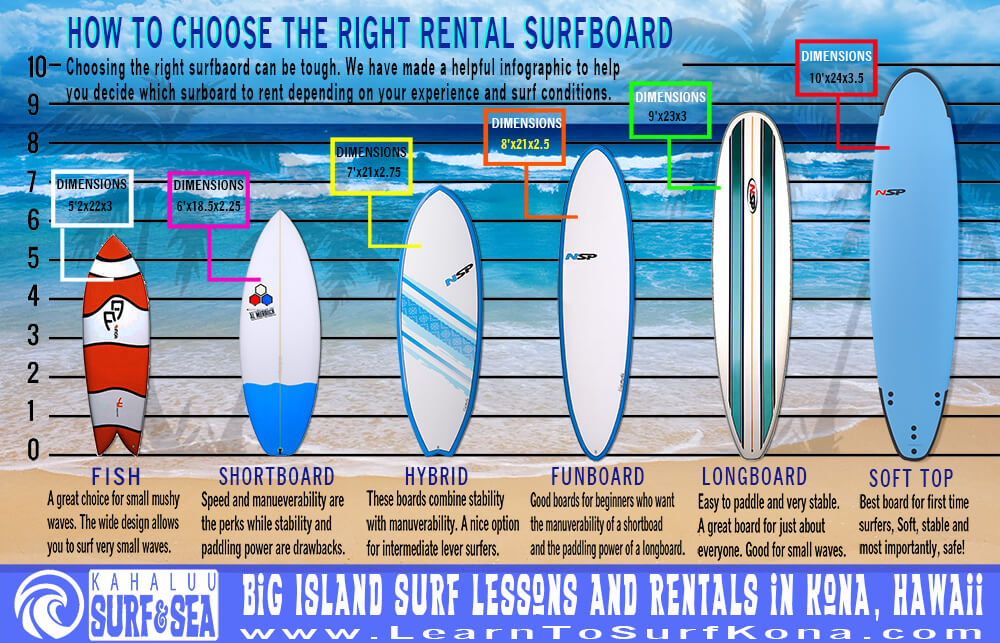
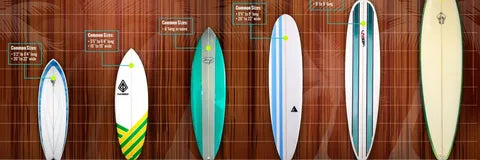
Longboards are usually 8 to 10 feet long. Their wide shape adds stability and balance. The rounded nose helps with smooth turns and nose riding. They have more volume to float better on water. Most longboards come with single or tri-fin setups. The fins help with control and direction.
The deck is often flat or slightly curved. This supports easy foot movement. The board’s extra length makes paddling easier. The materials used are light but durable. These features combine to create a forgiving and fun ride.
Credit: www.youtube.com
Shortboard Surfing
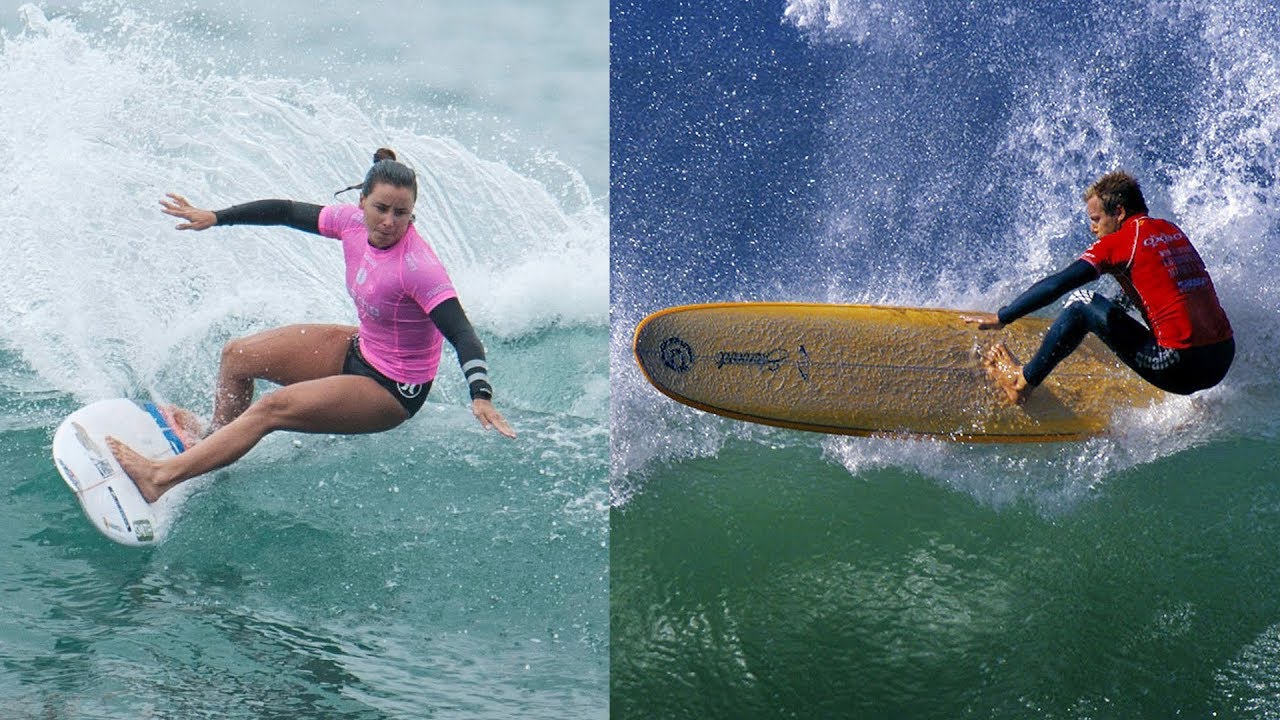
Shortboard surfing is popular among surfers who seek speed and sharp turns. These boards are smaller, lighter, and designed for quick maneuvers on the wave face. Riding a shortboard requires skill, balance, and confidence. It suits surfers who want to push their limits and try advanced tricks.
Advantages For Advanced Surfers
Shortboards allow fast, agile movements on the wave. They respond quickly to the surfer’s commands. Surfers can perform sharp turns, cutbacks, and aerial tricks. The smaller size makes it easier to handle steep, powerful waves. It offers more control during critical wave sections. Shortboards suit those who want to improve their technical skills.
Best Wave Types
Shortboards work best on medium to large, powerful waves. They excel on waves with steep faces and fast sections. These boards handle well in hollow, barreling waves. They allow surfers to ride aggressively and challenge tough conditions. Small, slow waves are less ideal for shortboarding. For optimal performance, choose waves with speed and power.
Board Characteristics
Shortboards typically range from 5 to 7 feet long. They have a pointed nose and a narrow width. The rocker, or curve, is more pronounced than on longboards. This shape helps with quick turns and carving. They have less volume, making them lighter and less buoyant. Fins are usually three or four, aiding in control and stability. These features combine to create a fast, responsive surfboard.
Performance Comparison
Performance plays a big role in choosing between a longboard and a shortboard. Each board offers unique benefits that suit different surfing styles and skill levels. Understanding how they perform helps surfers pick the best fit for their needs. Here is a clear comparison of their key performance aspects.
Stability And Balance
Longboards provide excellent stability due to their larger size. They are wide and thick, making it easier to balance. This is great for beginners or surfers who enjoy a smooth, steady ride. Shortboards are smaller and narrower. They require more skill to maintain balance but offer greater control for advanced moves.
Speed And Maneuverability
Shortboards excel in speed and quick turns. Their shape allows surfers to make sharp, fast maneuvers on the wave. Longboards are slower but offer a graceful style. They glide smoothly, perfect for cruising along smaller waves. Speed is less important than style with longboards.
Paddling Effort
Longboards make paddling easier. Their size and buoyancy help surfers catch waves with less effort. This advantage is helpful for beginners and surfers in small waves. Shortboards need more power to paddle and catch waves. They demand better fitness and timing to perform well.
Credit: learntosurfkona.com
Choosing Based On Skill
Choosing the right surfboard depends greatly on your skill level. Both longboards and shortboards offer unique experiences. Your current ability in surfing should guide your choice. Skill affects balance, control, and wave handling. Picking the board that fits your skill helps you enjoy surfing more and improve faster.
Beginner Suitability
Longboards are ideal for beginners. Their large size provides better balance and stability. This makes catching waves easier and safer. Beginners can practice standing and paddling without falling. Shortboards are smaller and less stable. They require more skill to control. Starting with a longboard builds confidence in new surfers.
Intermediate Progression
Intermediate surfers can explore both board types. Longboards still offer smooth rides and easy wave catching. Shortboards allow more maneuverability and speed. At this stage, surfers improve their turning and wave selection skills. Trying both boards helps find personal preference. It also prepares surfers for different ocean conditions.
Expert Preferences
Experts often choose shortboards for advanced tricks and speed. Shortboards respond quickly to movements on the wave. They suit powerful, fast waves well. Some experts enjoy longboards for classic style and smooth rides. The choice depends on the wave type and surfing style. Experienced surfers can handle either board confidently.
Wave Compatibility
Wave compatibility plays a key role in choosing between a longboard and a shortboard. Each board performs best in certain wave types. Understanding wave conditions helps surfers pick the right board for a fun and safe ride.
Waves vary in size, shape, and power. These differences affect how each board moves on the water. Let’s explore how longboards and shortboards match with different waves.
Small And Gentle Waves
Longboards excel in small, gentle waves. Their larger size offers stability and balance. This makes catching slow waves easier and more enjoyable. The extra length helps glide smoothly on soft wave faces. Beginners often prefer longboards here because they provide a relaxed surfing experience.
Shortboards struggle in small waves. Their design needs more speed and power to perform well. Without strong waves, shortboards can feel sluggish and harder to control. These boards shine when waves have enough force to push them fast.
Steep And Powerful Waves
Shortboards thrive on steep, powerful waves. Their smaller size allows quick turns and sharp maneuvers. This agility suits fast wave faces and challenging surf. Advanced surfers choose shortboards to ride big waves with control and style.
Longboards find it harder in steep waves. Their length makes sharp turns. The board can feel heavy and less responsive on fast waves. Surfers may struggle to keep up with powerful breaks using a longboard.
Style And Riding Experience
Style and riding experience shape the way surfers connect with the ocean. Longboard and shortboard surfing offer very different vibes. Each board creates a unique way to enjoy the waves. Understanding these styles helps you pick the right one for your skill and mood.
Cruising And Smooth Rides
Longboards are famous for their smooth, flowing style. Their length and width provide great stability. This makes it easy to glide across gentle waves. Riders can perform graceful turns and classic moves like nose riding. The pace is calm and relaxed. It feels like dancing on water. Ideal for surfers who enjoy a mellow, scenic ride.
Longboarding also allows you to catch waves earlier. The larger surface area helps with balance. It suits beginners and those who prefer a steady, controlled experience. The riding style focuses more on flow than speed or tricks.
Aggressive And Trick-oriented Surfing
Shortboards offer a sharp, fast surfing style. These boards are smaller and lighter. They allow quick, sharp turns and explosive moves. Surfers can perform tricks like cutbacks, aerials, and snaps. The riding feels intense and dynamic. Perfect for those who want to push limits and show off skills.
The shortboard’s design makes it responsive to every movement. It excels in steep, powerful waves. This style demands more skill and agility. It suits surfers who love fast rides and high-energy action. Every wave becomes a chance to perform and challenge yourself.
Common Mistakes To Avoid
Choosing between longboard and shortboard surfing can be exciting. Both styles offer unique challenges and fun. Avoiding common mistakes helps improve your surfing skills faster. These errors often slow progress and cause frustration. Learning what to avoid leads to better rides and more enjoyment in the water.
Not Picking The Right Board For Your Skill
Many beginners pick a board too advanced for them. Shortboards need more balance and strength. Longboards offer more stability and easier wave catching. Choose a board that matches your current skill. This choice makes learning smoother and safer.
Poor Paddle Technique
Paddling is key to catching waves. Rushing or using the wrong arm movements wastes energy. Keep your body centered and paddle with long, deep strokes. Good paddling helps you reach waves faster and stay balanced.
Wrong Position On The Board
Sitting too far back or forward affects balance. On a longboard, stay near the middle. On a shortboard, find the sweet spot for control. Practice adjusting your position to improve stability and wave control.
Standing Up Too Quickly Or Too Slowly
Timing your pop-up is important. Standing up too fast can cause falls. Waiting too long misses the wave. Practice smooth, quick pop-ups to stay balanced and ride longer.
Ignoring Wave Selection
Not all waves suit every board type. Longboards work best on small, slow waves. Shortboards perform well on fast, steep waves. Watch waves carefully and choose those that fit your board and skill level.
Tips For Selecting Your Board
Choosing the right surfboard matters for your surfing journey. Your board affects how you catch waves and enjoy your time in the water. Selecting between a longboard and a shortboard depends on several factors. These tips help you pick the perfect board for your needs and local surf conditions.
Assessing Your Surfing Goals
Think about what you want from surfing. Do you prefer smooth, easy rides or fast, sharp turns? Longboards are great for cruising and riding small waves. Shortboards suit surfers who want speed and quick maneuvers. Match your board choice with your style and skill level.
Considering Local Conditions
Surf spots vary in wave size and shape. Longboards work well in small, slow waves common in many beaches. Shortboards perform better in steep, powerful waves. Learn about your local surf to pick the board that fits the waves you will ride most.
Trying Before Buying
Testing a board helps you understand its feel and performance. Rent or borrow both types to see which suits you best. Pay attention to how stable and easy the board is to paddle and turn. This hands-on experience guides your final choice.
Frequently Asked Questions
Is It Easier To Longboard Or Shortboard?
Longboards are easier to learn on due to greater stability and easier paddling. Shortboards require more skill and balance.
Do Pro Surfers Use Shortboards?
Yes, pro surfers commonly use shortboards for speed, agility, and performing advanced maneuvers on powerful waves.
Is It Easier To Learn To Surf On A Longboard?
Yes, longboards offer more stability and volume, making it easier to paddle, balance, and catch waves. Beginners learn the basics faster on longboards.
Can A Beginner Surfer Ride A Shortboard?
Yes, beginners can ride a shortboard, but it requires more effort and skill than starting with a longboard. Shortboards offer speed and agility but less stability. Beginners usually learn faster and catch waves easier on longer, more stable boards.
Conclusion
Choosing between a longboard and a shortboard depends on your surfing style and goals. Longboards provide stability and ease, making them great for beginners and relaxed rides. Shortboards offer speed and sharp turns, suited for more experienced surfers seeking excitement. Both boards have unique benefits that shape your surfing experience.
Try both to find what fits your waves and skills best. Enjoy the ocean and keep practicing to improve your ride each time. Surfing is about fun, flow, and feeling the sea beneath your feet.

