
If you’re new to longboarding or thinking about upgrading your surfboard, one question probably pops up: how much does a longboard surfboard weigh? Knowing the weight of your board isn’t just a number—it affects how easy it is to carry, how it performs on the waves, and even how you store it.
Whether you’re lugging it to the beach or trying to catch that perfect ride, understanding your board’s weight can make a big difference. Keep reading, and you’ll discover the factors that influence a longboard’s weight and why it matters for your surfing experience.
Longboard Weight Range
Understanding the weight range of a longboard surfboard helps surfers choose the right board. Weight affects how the board handles in the water and how easy it is to carry. Longboards come in various sizes and materials, causing their weight to vary significantly.
Knowing the typical weight range makes it easier to compare boards and find the best fit for your needs. Let’s explore the common weight ranges in pounds and kilograms, and how longboards compare to other surfboards.
Average Weight In Pounds
Most longboard surfboards weigh between 15 and 25 pounds. Smaller or foam longboards may weigh closer to 15 pounds. Larger boards, made from heavier materials, can reach up to 25 pounds or more. This range balances stability and ease of use.
Weight In Kilograms
In kilograms, longboards typically weigh from 7 to 11 kg. Lighter boards, around 7 kg, suit beginners or small waves. Heavier boards, around 11 kg, offer more control in bigger waves. The weight depends on board length, thickness, and construction materials.
Comparison With Other Boards
Compared to shortboards, longboards are heavier. Shortboards usually weigh between 10 and 15 pounds (4.5 to 7 kg). Mini-malibu boards fall in between, with weights around 12 to 20 pounds (5.5 to 9 kg). The extra weight in longboards adds stability for cruising and nose riding.

Materials Impacting Weight
The weight of a longboard surfboard depends heavily on the materials used during its construction. Different materials add different amounts of weight and affect how the board handles on the water. Understanding these materials helps explain why some boards feel heavier or lighter than others.
Foam Cores And Density
The core of most longboards is made of foam. Foam is light and provides buoyancy. The density of the foam changes the board’s weight. Higher-density foam is heavier but stronger. Lower-density foam keeps the board light but may be less durable. Foam cores are the main factor in the board’s base weight.
Fiberglass And Resin Layers
Fiberglass wraps the foam core to give the board strength. Resin hardens the fiberglass and seals the board. Multiple layers of fiberglass and resin add weight. Thicker layers make the board heavier but more durable. Thinner layers reduce weight but may be less tough. The balance between layers affects the final weight and performance.
Wood And Alternative Materials
Some longboards use wood or other materials instead of foam. Wood adds natural strength and can change the weight a lot. Balsa and cedar are light woods used in surfboards. Bamboo is a strong, lightweight alternative. These materials often make the board heavier than foam cores but provide a unique feel and look. The choice of wood or alternative materials influences the board’s total weight and style.
Dimensions And Weight
The dimensions and weight of a longboard surfboard play a crucial role in its performance and handling. Understanding how length, thickness, width, and volume affect the board helps surfers choose the right longboard. Each dimension impacts the board’s weight and how it feels on the water.
Length And Thickness Effects
Longboards usually range from 8 to 12 feet in length. Longer boards tend to weigh more due to extra material. The length influences how stable the board is and how easy it is to paddle.
Thickness also adds to the weight. Thicker boards have more foam inside, making them heavier but more buoyant. This helps surfers stay afloat and catch waves easily. Thinner boards weigh less but require better balance and skill.
Width And Volume Considerations
The width of a longboard affects its weight and stability. Wider boards hold more volume and weigh more. They offer a stable platform, perfect for beginners or smooth cruising.
Volume is the total space the board occupies, combining length, width, and thickness. Higher volume means more weight but better floatation. Low-volume boards are lighter but less stable, suited for advanced surfers.
Weight And Performance
The weight of a longboard surfboard plays a key role in its performance on the waves. It affects how the board moves, balances, and reacts to the surfer’s actions. Understanding this helps surfers choose the right board for their style and skill level.
Longboards usually weigh between 15 to 25 pounds. This weight range offers a balance between strength and ease of use. The weight impacts stability, control, and maneuverability in different ways.
Stability And Control
Heavier longboards provide better stability on the water. They sit firmly on the wave, reducing the chance of wobbling. This stability helps beginners stay balanced and confident. Control improves as the board responds steadily to the surfer’s movements. The weight also helps in keeping speed on small waves.
Maneuverability Challenges
Heavier boards can be harder to turn quickly. They require more effort to change direction. This makes tight or sharp maneuvers more challenging. Lighter boards allow faster, smoother turns but may feel less stable. Surfers must find a weight that matches their ability to handle the board effectively.
Suitability For Tricks
Longboards are less suited for complex tricks due to their weight. The heavier mass slows down quick flips and spins. Skateboards weigh less and allow more tricks. However, some simple moves and slides are still possible on a longboard. Weight limits the range but not the fun of riding.
Transporting Longboards
Transporting longboards requires care and the right tools. Longboards are bigger and heavier than regular surfboards. Knowing how to secure them safely prevents damage and keeps your vehicle safe. Proper transportation makes your surf trips easier and more enjoyable.
Roof Rack Techniques
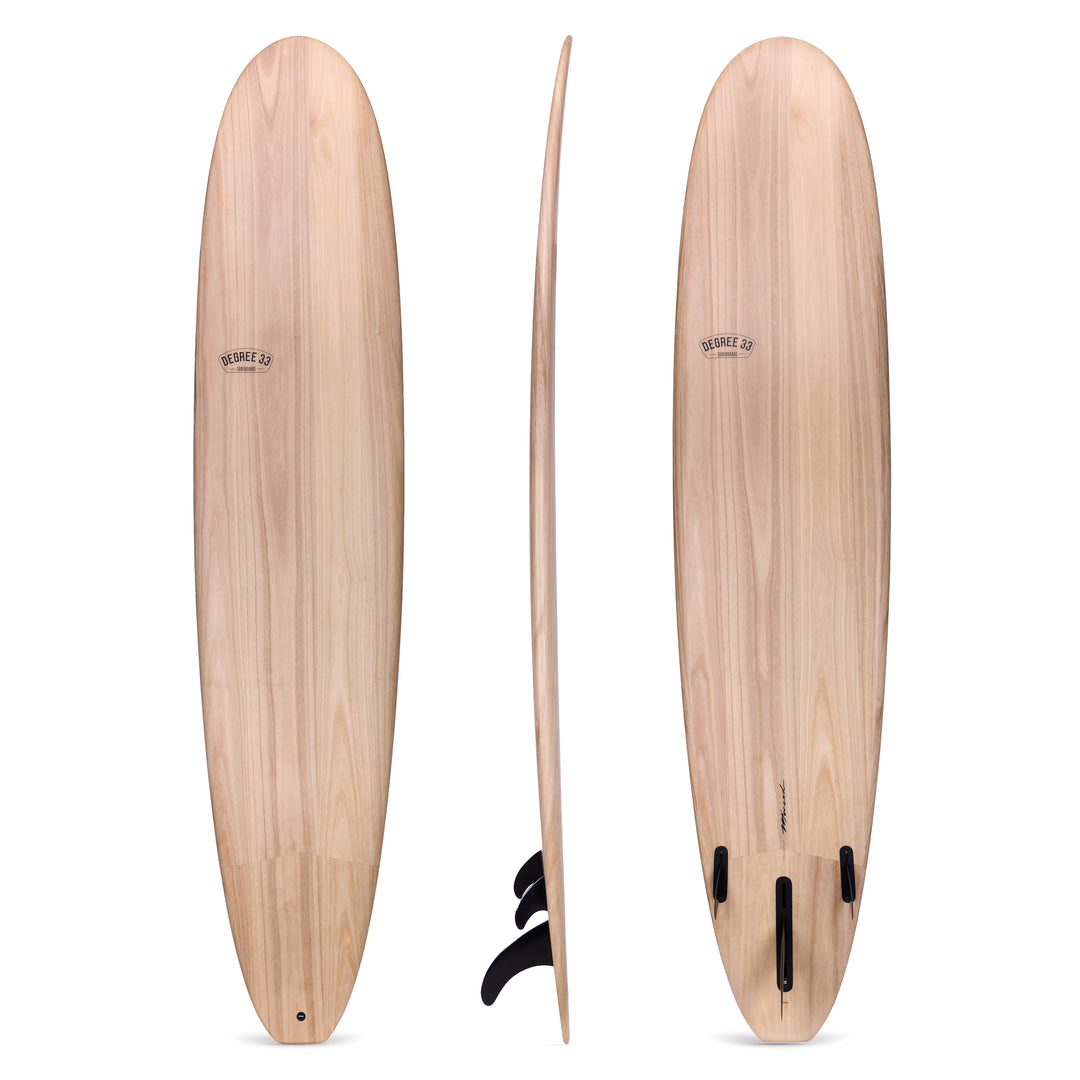
Use a roof rack designed for longboards. Place foam pads on the rack to protect your board. Position the longboard flat on the rack with the fins facing up or to the side. This reduces wind resistance and prevents damage. Make sure the board lies evenly to avoid stress points.
Strap And Fastening Tips
Use wide, soft straps to hold the board firmly. Pass the straps through the roof rack and over the longboard. Tighten straps enough to hold the board but not so tight to cause dents. Secure both front and back ends to stop movement. Check straps before every trip for safety.
Weight Limits For Vehicles
Check your vehicle’s roof weight limit before loading. Longboards can weigh between 15 to 25 pounds or more. Add the weight of racks and straps to avoid overload. Exceeding limits may damage your roof or affect vehicle control. Always follow manufacturer guidelines for safe transport.
Credit: www.degree33surfboards.com
Historical Longboard Weights
Longboards have changed a lot since their early days. Their weight has shifted with design and material improvements. Understanding historical longboard weights helps us see how surfboards evolved.
Early longboards were much heavier than many modern ones. This affected how surfers handled waves and performed maneuvers. The weight played a key role in surfing style and board control over time.
Old Vs Modern Boards
Old longboards often weighed 20 to 30 pounds or more. These boards were large and bulky, making them hard to carry and surf with agility. Surfers relied on strength to paddle and move these boards.
Modern longboards usually weigh between 12 and 18 pounds. They are lighter and easier to handle, helping surfers catch waves quickly. The lighter weight supports smoother turns and better performance.
Evolution Of Materials
Early boards were made from solid wood, like redwood or koa. These woods added significant weight but were durable and strong. The heavy wood made the boards less flexible and slower on waves.
Modern longboards use materials like polyurethane foam and fiberglass. These materials reduce weight while keeping strength and shape. Innovations in resin and foam technology made boards lighter and more responsive.
Today’s materials allow for thin, lightweight designs without losing durability. This evolution helps surfers enjoy longer rides with less effort.
Choosing The Right Weight
Choosing the right weight for your longboard surfboard affects your surfing experience. Weight influences control, stability, and ease of paddling. Picking the best weight depends on different factors. Consider these points before making a decision.
Rider’s Skill Level
Beginners benefit from heavier boards that offer more stability. Heavier boards are easier to balance and control. Experienced surfers often prefer lighter boards for quick turns. Lighter boards respond faster but require better skills. Match the board weight with your ability for the best ride.
Surf Conditions
Calm, small waves work well with lighter boards. Light boards glide smoothly and catch waves more easily. Rough, choppy water needs heavier boards for better control. Heavy boards stay steady in strong waves and wind. Choose board weight based on the typical surf conditions you face.
Board Purpose
If you want to cruise and relax, heavier boards are ideal. They offer smooth rides and better balance. For tricks and faster moves, lighter boards help you maneuver quickly. Long-distance paddling calls for medium-weight boards for endurance. Think about your surfing goals when picking the board weight.
Weight Measurement Tools
Knowing the weight of your longboard surfboard is important for transport and handling. Various tools help measure this weight accurately. These tools range from digital calculators to simple home methods. Understanding these options helps surfers choose the best way to find their board’s weight.
Surfboard Weight Calculators
Surfboard weight calculators provide a quick estimate. They use your board’s length, width, thickness, and material. Inputting these details gives a close weight approximation. These calculators are easy to use online. They save time compared to physical weighing. Results help when comparing different boards or planning travel. The calculator does not replace actual weighing but gives a helpful guide.
Diy Weighing Methods
DIY methods use household items to measure weight. One common way is to use a bathroom scale. First, weigh yourself alone and note the number. Then, weigh yourself holding the longboard. Subtract the first number from the second. The difference is the surfboard’s weight. Another method uses a hanging scale if available. These simple ways do not need special tools. They work well for occasional or quick checks.

Credit: surfexpedition.com
Frequently Asked Questions
How Much Does A Longboard Surfboard Weight?
A longboard surfboard typically weighs between 15 and 25 pounds (7 to 11 kg). Weight varies by material and size.
How Heavy Is an 8ft Surfboard?
An 8ft surfboard typically weighs between 12 to 18 pounds (5. 4 to 8. 2 kilograms). Weight varies by materials and design.
How to Transport A 9ft Surfboard?
Secure foam pads on your car roof to protect the board. Use strong straps to fasten the 9ft surfboard tightly. Transport it on a roof rack or inside a large vehicle. Ensure the board is stable to prevent damage during transit.
Are Longboards Heavier Than Skateboards?
Longboards are generally heavier than skateboards due to their larger size and thicker decks. This extra weight offers stability but reduces maneuverability compared to skateboards.
Conclusion
Longboard surfboards usually weigh between 15 and 25 pounds. Weight depends on size, materials, and design. Heavier boards offer better stability in big waves. Lighter boards are easier to carry and maneuver. Knowing the weight helps choose the right board for you.
This makes your surfing experience more enjoyable and safe. Keep this in mind when shopping or comparing boards. A well-chosen longboard suits your skill and surfing style.
