
Have you ever wondered if you can get barreled on a longboard? The idea of riding deep inside a perfect tube is a dream for many surfers.
You might think that longboards, with their size and style, aren’t made for this kind of intense wave riding. But what if you could? What if your longboard could take you right into the heart of the barrel? You’ll discover whether it’s really possible to get barreled on a longboard, what kind of board works best, and the key techniques you need to master.
Stick around, because the answer might just surprise you—and change the way you see your longboard forever.

Barreling On A Longboard
Barreling on a longboard offers a unique thrill. The smooth, hollow part of a wave, known as the barrel or tube, is a prized spot for surfers. Riding inside the barrel feels like being inside a moving tunnel. Many wonder if longboards can fit into this fast, tight space. The answer involves board type and skill. Let’s explore how barreling works on a longboard.
Possibility Of Getting Barreled
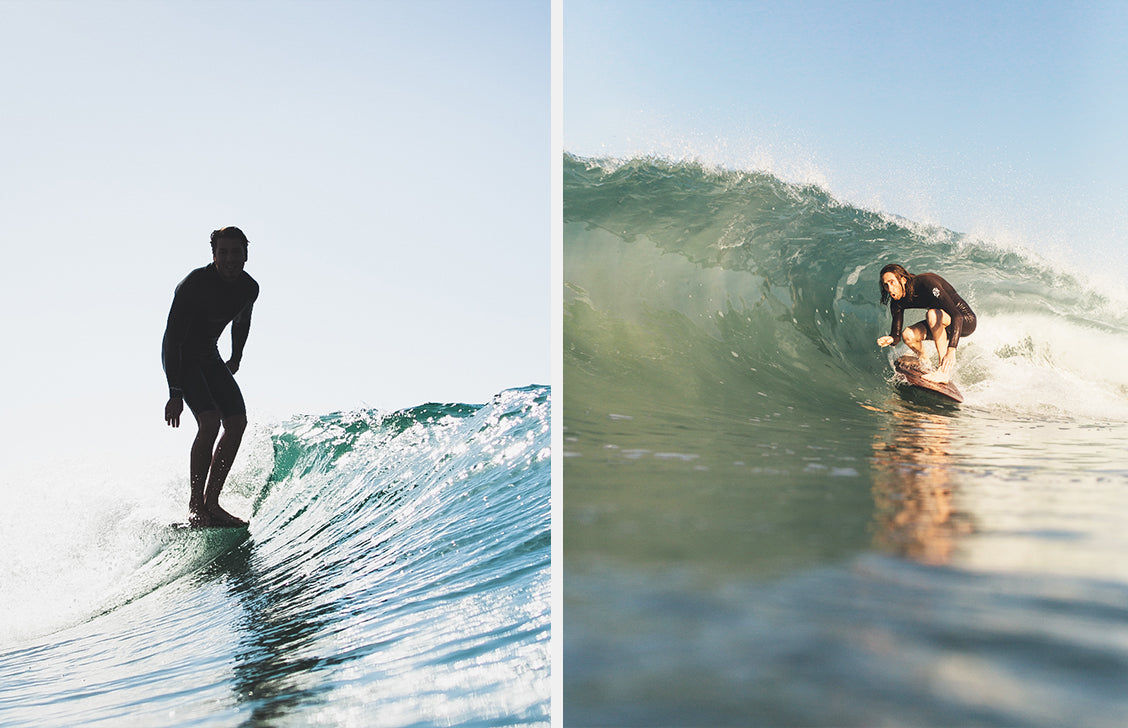
Getting barreled on a longboard is possible but rare. Most longboards are big and slow, making it hard to catch fast, hollow waves. Smaller, quicker boards suit barreling better. Still, skilled surfers on certain longboards can slip into barrels. The right wave size and shape help a lot. Patience and practice improve chances.
High-performance Longboards
High-performance longboards are designed for speed and maneuverability. These boards are lighter and thinner than classic longboards. They have sharper rails and a more refined shape. This design helps surfers move faster and fit into tighter spaces. High-performance longboards make barreling more achievable. They balance stability and agility well.
Positioning For Tube Riding
Positioning on the wave is key to tube riding on a longboard. Surfers must paddle hard to catch the wave early. Staying low and centered helps keep balance inside the barrel. Shifting weight forward increases speed to match the wave’s pace. Eye focus on the exit guides the ride. Smooth, controlled movements keep the board steady.

Duck Diving With A Longboard
Duck diving with a longboard is a skill surfers often question. Longboards are bigger and float more than shortboards. This size makes duck diving harder but not impossible. Using the right technique helps you get under waves safely. Learning how to duck dive a longboard improves your wave count and control in the lineup.
Challenges Compared To Shortboards
Longboards are heavier and wider than shortboards. Their size means more resistance when pushing underwater. They float more, making it tough to hold them down. Longboards need more strength and precise movements. Timing is critical to avoid getting pushed back by waves.
Key Duck Diving Techniques
Start by paddling hard to gain speed. Push one rail of the board underwater first. Use your hands to scoop the rail near your chest. Push the tail down with your foot or knee. This helps the board sink fully below the wave.
Paddle And Timing Tips
Paddle fast toward the wave to build momentum. Begin the duck dive a few feet before the wave hits. Push down just before the wave reaches you. Good timing prevents the wave from pushing you back. Keep your eyes on the wave to react correctly.
Rail Scoop And Tail Push
Use your hands to scoop the board’s rail into the water. This motion helps the nose dive deeper and sideways. At the same time, press your back foot or knee on the tail. This action sinks the tail for full submersion under the wave.
Side-to-side Motion
After the rail is underwater, move your body side to side. This scooping motion pushes the nose deeper into the water. It helps the board go under the wave smoothly. Keep your weight balanced to avoid tipping over.
Resurfacing Quickly
Once under the wave, push the board forward through the water. Slide your hands along the rails to ease movement. Kick the opposite rail back up to float the board faster. Resurface quickly to continue paddling out for the next wave.
Alternatives To Duck Diving
Duck diving with a longboard can be tough due to the board’s size and buoyancy. Many surfers choose different methods to get past waves without losing energy or control. These alternatives help you stay safe and conserve strength while paddling out.
One popular method is the turtle roll. It works well for big, thick boards that are hard to push underwater. Learning this technique can make your surf session smoother and less tiring.
Turtle Roll Technique
The turtle roll involves flipping your longboard upside down just before the wave arrives. Hold on tight to the rails and let the wave pass over you. Your body stays close to the board, reducing resistance.
Once the wave passes, flip the board back upright quickly and paddle away. This method avoids the need to push your board underwater like in duck diving. It suits longboards that float easily on the surface.
When To Use Turtle Roll
Use the turtle roll when waves are large and powerful. It works best with soft-top or heavy longboards. If duck diving feels too hard or your board is thick, try the turtle roll instead.
This technique is helpful in strong surf zones where waves break fast. It saves energy and keeps you from struggling against the wave’s force. Knowing when to switch methods improves your paddling efficiency.
Video Demonstrations
Watching videos helps understand turtle roll better. Visual guides show how to flip the board and time your movements. They highlight common mistakes to avoid.
Search for beginner-friendly tutorials that break down the steps clearly. Practice with slow-motion clips to see every detail. Videos can boost your confidence before trying the turtle roll in real waves.
Credit: almondsurfboards.com
Factors Affecting Duck Diving
Duck diving is a key skill for surfers to get past breaking waves. Longboards make duck diving more challenging. Their size and buoyancy change how the dive works. Several factors affect how well you can duck dive on a longboard.
Understanding these factors helps you improve your technique and timing. Each element changes the effort needed to push the board underwater. Let’s explore the most important factors below.
Board Volume And Buoyancy
Volume is the amount of space your board takes up. Bigger volume means more buoyancy, so the board floats higher. High buoyancy makes it harder to push the board underwater. You must use more force to dive deep.
Longboards usually have more volume than shortboards. This extra buoyancy means you need to adjust your duck dive technique. Lower volume boards are easier to duck dive but offer less stability.
Surfer’s Weight And Strength
A surfer’s weight affects how easily the board sinks. Heavier surfers can push the board down with less effort. Strength also matters. Strong arms and core help control the board during the dive.
Longboard duck diving requires more strength than shortboards. If you lack strength, the board may pop back up before you pass the wave. Practice and conditioning improve your ability to duck dive longboards.
Board Size And Shape
Size affects how the board moves underwater. Longer boards need more space to submerge fully. Shape also plays a role. Round noses and thicker tails add buoyancy and resistance.
Boards with pointed noses and thinner rails are easier to duck dive. Longboards usually have wide, rounded noses. These shapes require different techniques, like scooping the rails first. Adjusting your approach helps manage the size and shape challenges.
Improving Longboard Surfing Skills
Improving your longboard surfing skills is key to catching more barrels. Longboarding differs from shortboarding, so practice and technique matter. Focus on the essentials to ride deeper and with more control. Small changes bring big results in the water.
Choosing The Right Longboard
Select a longboard designed for performance and speed. A lighter board with a narrower shape helps you maneuver faster. Look for boards with a good rocker to fit barrel waves better. Avoid boards that are too thick or heavy. The right board makes it easier to position inside the barrel.
Practicing Positioning For Barrels
Positioning is crucial for getting barreled on a longboard. Paddle early and aim for the wave’s pocket, where it breaks hollow. Stay low and centered on your board to maintain balance. Practice quick takeoffs to drop in smoothly. Reading wave shape helps you adjust your path inside the barrel. Repetition builds confidence and timing.
Strength And Timing Training
Strong paddling and good timing improve your barrel chances. Paddle hard to match the wave’s speed. Work on your core and upper body strength for better control. Timing your drop just before the wave curls is essential. Practice pop-ups and quick movements on land. Training your body prepares you for the fast pace of barreling waves.
Frequently Asked Questions
Can You Get Barrelled On A Longboard?
Yes, you can get barreled on a longboard. High-performance boards and proper positioning increase your chances.
Can You Duckdive With A Longboard?
Yes, you can duck dive a longboard, but it requires more strength and technique due to its size and buoyancy. Use a scooping motion on one rail, push the tail down with your foot or knee, and time it well.
For large or soft-top boards, the turtle roll works better.
What Counts As Getting Barreled?
Getting barreled means riding inside the hollow part of a breaking wave, also known as the tube or barrel. It requires proper positioning and timing to stay enclosed by the wave’s curl while maintaining speed. This thrilling experience is a key skill in surfing.
Is It Illegal To Ride A Longboard On The Road?
Riding a longboard on the road may be illegal depending on local laws. Always check your area’s regulations before riding. Wear safety gear and follow traffic rules to stay safe and legal.
Conclusion
Barreling on a longboard is possible but takes skill and the right board. Positioning and timing matter a lot to ride inside the tube. Longboards with high performance shapes work best for barreling. Practice and patience help improve your chances to get barreled.
Keep trying different waves and learn how they break. Enjoy the ride and respect the ocean’s power. Surfing barreled on a longboard offers a unique, thrilling experience. Every surfer’s journey is different, so stay safe and have fun.

