
Thinking about upgrading your home’s exterior with longboard siding? You’re probably wondering, “How much does longboard siding cost?” It’s a smart question because knowing the price upfront helps you plan your budget and avoid surprises.
Longboard siding offers a beautiful, wood-like finish with the durability of aluminum, but its cost can vary based on several important factors. You’ll discover a clear breakdown of the costs involved, what influences the price, and why investing in longboard siding could save you money in the long run.
Keep reading to find out exactly what to expect and how to get the best value for your home.
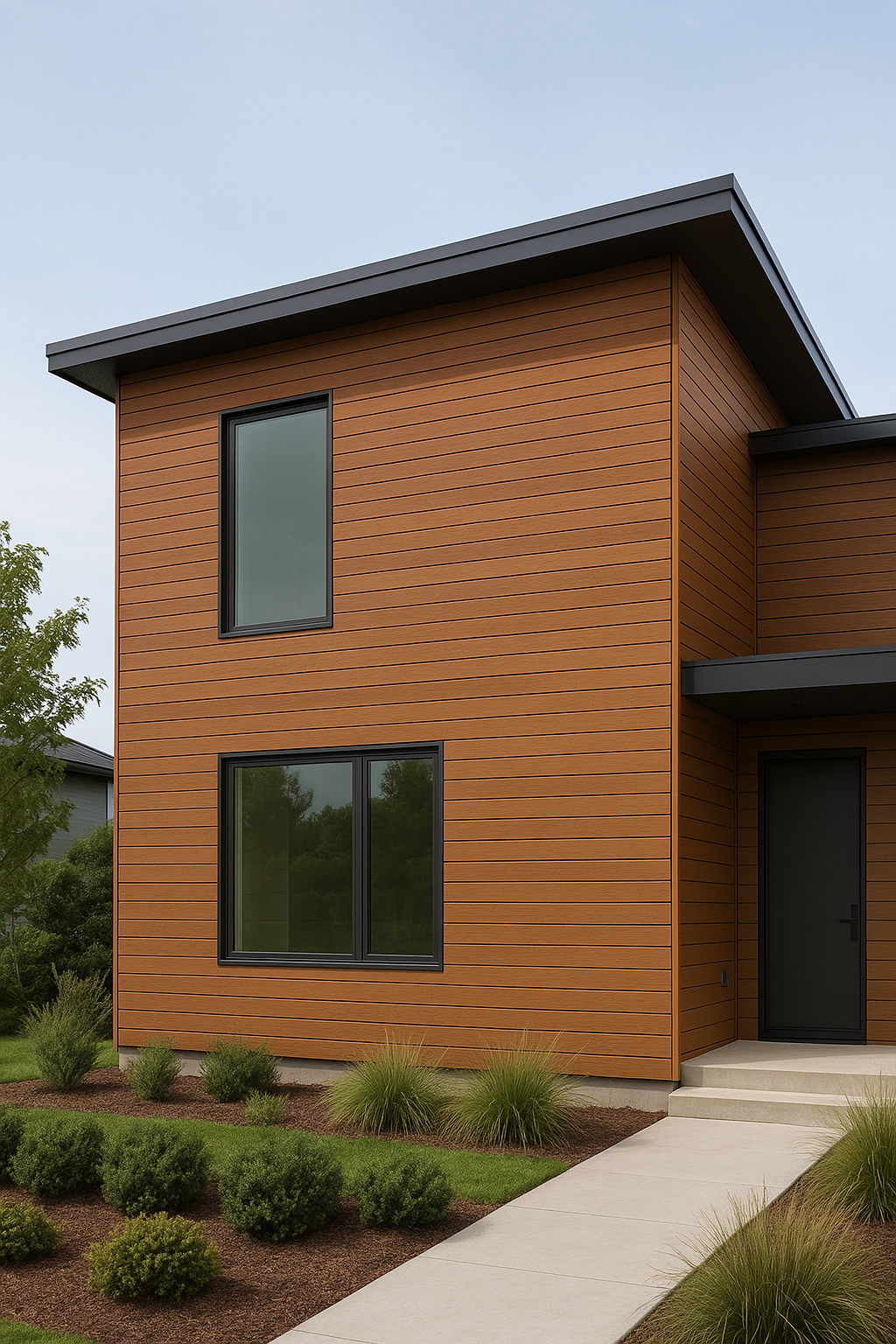
Credit: northcoservices.com
Longboard Siding Prices
Longboard siding offers a stylish, durable option for home exteriors. It mimics wood but resists fading and pests. Understanding the price helps with budgeting your project.
The cost depends on factors like material, home size, and labor. This section breaks down these costs clearly.
Cost Per Square Foot
Longboard siding usually costs between $7 and $12 per square foot. Prices vary by finish and profile style. Woodgrain finishes tend to be pricier than solid colors. Thicker panels and custom colors add to the cost.
Price By Home Size
Smaller homes need less material, lowering total costs. For example, a 1,200 sq. ft. home might cost $8,400 to $14,400. Larger homes around 2,400 sq. ft. could range from $16,800 to $28,800. These prices include only the siding material.
Installation Labor Costs
Labor for Longboard siding installation ranges from $3 to $7 per square foot. Experienced installers charge more due to product care and precision. Complex home shapes or difficult access can increase labor costs. Always get multiple quotes to find fair pricing.
Price Breakdown
Understanding the price breakdown of longboard siding helps plan your budget. Costs vary based on several key factors. Each factor adds to the total price differently. Knowing them helps avoid surprises during purchase.
Longboard siding is a quality product, so its cost reflects its durability and style. Here is a detailed look at what influences the price most.
Material Costs
Longboard siding uses aluminum designed to look like real wood. This material costs more than traditional vinyl or wood siding. Aluminum offers strong resistance to weather and pests. Its price depends on quality, thickness, and supplier. High-grade aluminum increases the overall siding cost.
Finish And Coating
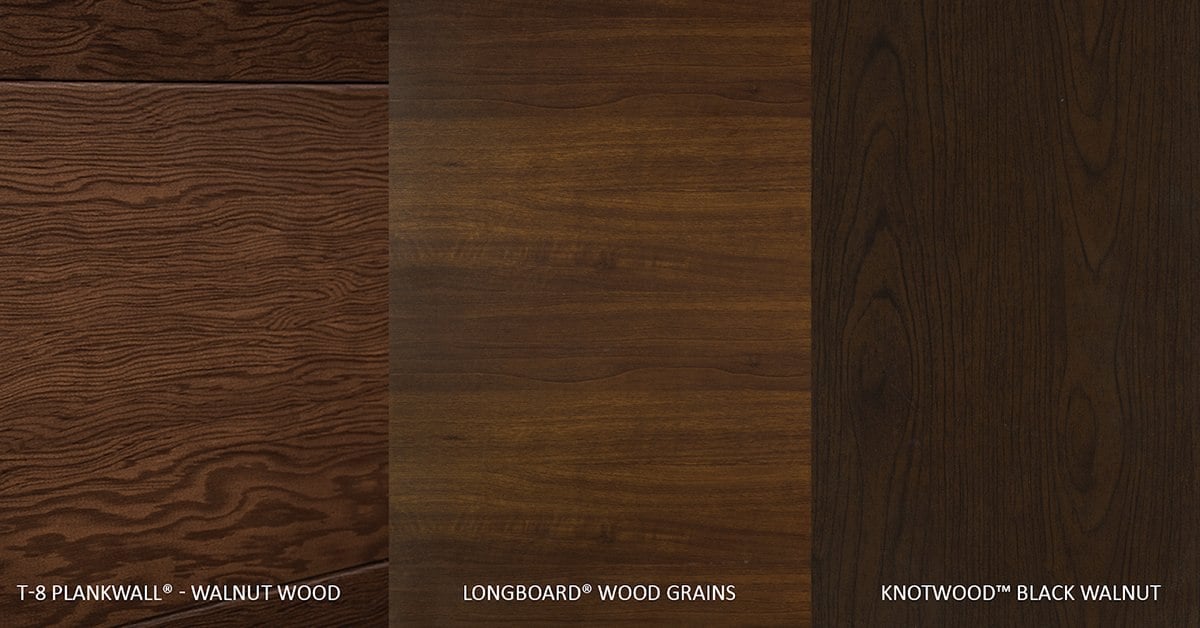
The finish on longboard siding adds to its price. Woodgrain finishes cost more than solid colors. This is due to the complex coating process required. The finish protects the siding from fading and damage. Special coatings increase longevity but also raise the cost.
Profile And Thickness
Longboard siding comes in different profiles and thicknesses. Profiles include lap, v-groove, or beam styles. Thicker panels provide better durability and insulation. Both profile and thickness affect the price. Unique profiles or thicker siding panels cost more.
Customization Charges
Customization adds to the total price of longboard siding. Custom colors or patterns require special orders. This means extra work and materials for manufacturers. Custom sizes or designs may also increase labor costs. These charges vary based on the complexity of your request.
Factors Affecting Cost
The cost of longboard siding varies widely due to several important factors. Understanding these elements helps you plan your budget better. Each factor changes the final price in different ways. This section explains what influences the cost most.
Finish Options
Longboard siding offers different finishes that affect price. Woodgrain finishes usually cost more than solid colors. The special coating to mimic wood adds to the expense. Some finishes last longer and resist weather better. Choosing a premium finish raises the overall cost.
Siding Styles
Styles impact the price depending on complexity and materials used. Lap siding is common and generally less costly. V-groove or beam styles need more work and may cost extra. Thickness and design details also influence the price. Custom patterns or unique styles add to the cost.
Installation Complexity
Complex installations increase labor costs. If the wall surface is uneven or requires extra prep, expect higher prices. Installing around windows or corners takes more time. Some siding requires special tools or techniques. Experienced installers may charge more but ensure quality work.
Geographic Location
Prices vary by region due to labor and material costs. Urban areas often have higher installation fees. Remote locations might add travel expenses for crews. Climate affects the choice of siding and installation methods. Local building codes can also impact the final cost.
Why Longboard Siding Costs More
Longboard siding costs more due to its premium materials and superior design. This siding offers benefits that justify the higher price. It combines strength, beauty, and low upkeep to protect your home for years.
High-quality Aluminum
Longboard siding is made from high-grade aluminum. This metal is light but very strong. It does not rust or corrode easily. The aluminum also allows for precise manufacturing. This ensures each piece fits perfectly on your home.
Durability And Maintenance
Longboard siding lasts much longer than wood or vinyl. It resists dents, cracks, and fading. Its smooth surface requires little cleaning. You avoid costly repairs and repainting over time. This durability saves money in the long run.
Woodgrain Appearance
The siding features a woodgrain finish that looks natural. This finish is created with special coatings. These coatings add to the price but improve the style. The woodgrain effect brings warmth and charm without wood’s problems.
Resistance To Weather And Pests
Longboard siding stands strong against harsh weather. It does not absorb water or swell. It also protects your home from insects and pests. This resistance helps maintain your home’s structure and appearance.
Where Longboard Siding Is Made
Understanding where longboard siding is made helps buyers trust the product quality. This siding combines durability and style, thanks to precise manufacturing processes. Knowing its origin shows the care taken in production and design.
Manufacturing Location
Longboard siding is made in Abbotsford, British Columbia. This location houses the main factory where the siding is crafted. Skilled workers use advanced tools to create each panel. The facility follows strict quality controls to ensure every piece meets standards. This Canadian site supports local jobs and uses reliable materials.
Company Headquarters
The company headquarters is also in Abbotsford, British Columbia. This central office manages operations, sales, and customer service. It connects directly with the manufacturing plant for smooth workflow. Being close to production helps the company respond quickly to issues. The headquarters also focuses on innovation and product development.
Credit: www.westernstatesmetalroofing.com
Comparing Longboard To Other Sidings
Choosing the right siding impacts your home’s look and budget. Comparing Longboard siding to other types helps you decide. Understand costs, durability, and upkeep before investing. This guide breaks down key differences.
Metal Vs Wood Siding Costs
Longboard siding is made from aluminum, often costing more than traditional wood. Wood siding prices vary widely based on type and quality. Metal siding, like Longboard, usually costs between $7 and $12 per square foot. Wood siding ranges from $4 to $10 per square foot. Installation costs for metal can be higher due to specialized labor. Wood siding requires less expensive installation but more frequent repairs. Consider both material and labor when budgeting.
Longevity And Warranty
Longboard siding lasts 40 to 50 years with proper care. Wood siding typically lasts 20 to 30 years but depends on maintenance. Aluminum resists rot, pests, and weather damage better than wood. Most Longboard products come with a 25 to 40-year warranty. Wood siding warranties are shorter, often under 15 years. A longer warranty means less worry about early replacement costs. Longboard’s durable finish keeps homes protected longer.
Maintenance Expenses
Wood siding needs regular painting and sealing to prevent decay. These tasks add to yearly maintenance costs. Longboard siding requires little upkeep, only occasional cleaning. It does not need painting or sealing. Metal siding saves money on repairs and maintenance over time. Reduced maintenance means fewer expenses and less hassle. This makes Longboard a cost-effective choice over many years.
Ordering And Samples
Ordering longboard siding and obtaining samples are important steps in your project. They help you understand the product’s quality, color, and texture. Samples allow you to see how the siding will look on your home. Ordering requires clear information about sizes, finishes, and costs. Here is what you need to know about requesting pricing, sample availability, and dealer discounts.
Requesting Pricing
Contact the supplier directly to get pricing details. Provide your project size and preferred style. Prices vary by profile, finish, and quantity. Get a detailed quote to avoid surprises. Some suppliers offer online forms for quick price requests. This helps you plan your budget accurately.
Sample Availability
Samples show the real look and feel of longboard siding. Most manufacturers provide small sample pieces for a low cost or free. Request samples early to compare colors and finishes. Using samples helps you avoid costly mistakes later. Check if samples include the actual texture and coating of the final product.
Dealer Discounts
Dealers often offer discounts for large orders or repeat customers. Ask about current promotions or special pricing. Buying through a dealer may reduce your overall cost. Some dealers provide package deals with installation services. Always inquire about dealer discounts before placing an order.

Credit: professionalmetalroofing.ca
Installation Tips
Installing longboard siding requires careful planning and skill to ensure durability and beauty. Proper installation also affects the overall cost and lifespan of the siding. Below are key tips to help you with the installation process.
Hiring Professionals
Hiring experts guarantees a clean and secure installation. Professionals have the right tools and experience to handle longboard siding properly. They can spot potential issues early and prevent costly mistakes. Also, hiring pros often includes a warranty on their work. This adds peace of mind and protects your investment.
Diy Considerations
Installing longboard siding yourself can save money but demands careful attention. You need basic carpentry skills and proper tools. Measure twice and cut once to avoid waste. Follow manufacturer instructions closely. Keep safety in mind, especially when working at heights. DIY installation may take longer, so plan your time well.
Common Installation Challenges
One common challenge is ensuring the siding panels are level and evenly spaced. Misalignment can cause gaps and water damage. Another issue is managing corners and edges properly to maintain a neat finish. Weather conditions like wind or rain can delay work and affect adhesion. Proper ventilation behind the siding is crucial to avoid moisture buildup.
Frequently Asked Questions
How Much Is Longboard Siding Per Square Foot?
Longboard siding costs approximately $5 to $12 per square foot. Prices vary by style, finish, and installation complexity.
How Much Does Longboard Cladding Cost?
Longboard cladding costs range from $8 to $15 per square foot, including materials and installation. Prices vary by finish, style, and customization. Premium woodgrain finishes and thicker profiles increase costs. Labor for installation may also affect the total price.
How Much Does Steel Siding Cost For A 2000 Sq Ft House?
Steel siding for a 2000 sq ft house typically costs between $8,000 and $32,000. Prices vary by material quality and installation complexity.
Where Is Longboard Siding Manufactured?
Longboard siding is manufactured in Abbotsford, British Columbia, Canada. The company operates its main facility and headquarters there.
Conclusion
Longboard siding costs vary by size, style, and finish. Woodgrain finishes tend to cost more than solid colors. Custom patterns or colors also raise the price. Installation labor can add to the total cost. Despite the higher price, Longboard siding offers strong durability and low maintenance.
It resists fading, warping, and pests well. This siding is a smart choice for long-term value. Weigh your budget against these benefits before deciding. Choose the option that fits your needs and home best.

