
Are longboards and skateboards the same? At first glance, they might look similar—both have four wheels and a deck you stand on.
But if you’ve ever tried riding one, you know the experience can feel completely different. Understanding these differences can change the way you pick your board and enjoy your ride. Whether you want to cruise smoothly down city streets or master tricks at the skatepark, knowing what sets a longboard apart from a skateboard is key.
Keep reading, and you’ll discover exactly how these boards differ and which one fits your style and needs best.

Credit: originalskateboards.com
Longboard And Skateboard Basics
Longboards and skateboards share a common base but serve different riding styles. Both have four wheels and a deck, but their designs suit distinct activities. Understanding their basics helps riders choose the right board for their needs.
Each board type focuses on specific features like shape, size, and wheel type. These differences affect balance, speed, and control. Let’s explore what defines a longboard and a skateboard.
What Defines A Longboard
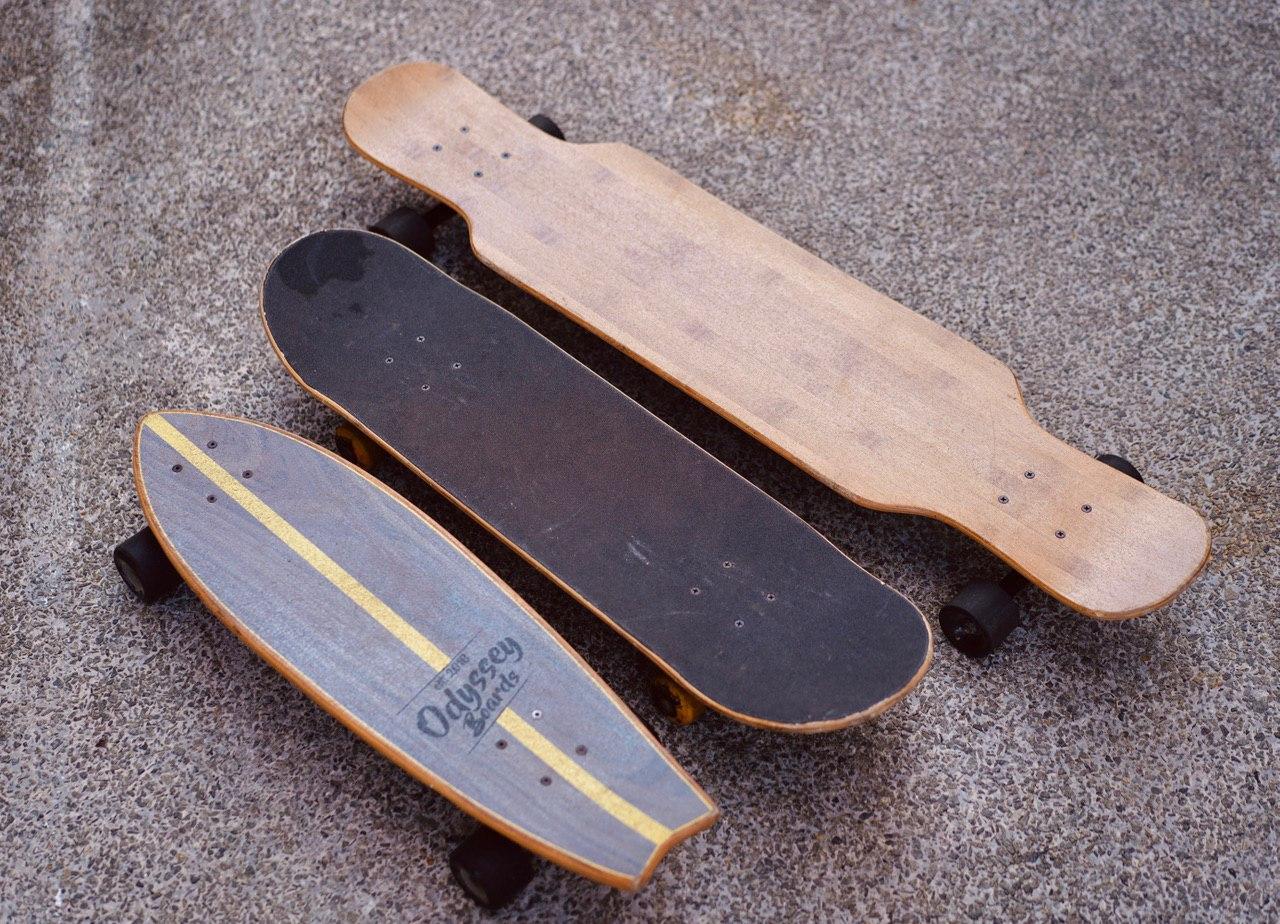
Longboards usually have longer decks than skateboards. Their decks measure between 33 and 59 inches. This length gives more stability for fast rides and downhill runs.
Longboard wheels are larger and softer. They absorb bumps and provide a smooth ride on rough roads. Trucks on longboards are wider, which helps with balance and turning.
The design favors cruising, carving, and speed. Riders often use longboards for travel or downhill racing. The lower ride height makes pushing easier and riding more comfortable.
What Defines A Skateboard
Skateboards have shorter decks, usually 28 to 33 inches long. This compact size makes them ideal for tricks and street skating. Their shape often includes a curved nose and tail.
Skateboard wheels are smaller and harder. They work best on smooth surfaces like skate parks. Trucks are narrower, allowing quick turns and flips.
Skateboards focus on tricks, jumps, and street moves. The stiffness and size help riders perform flips and grinds. This board suits riders who want to practice technical skills.
Size And Shape Differences
The size and shape of longboards and skateboards differ significantly. These differences affect how each board performs and feels. Understanding these variations helps you choose the right board for your needs.
Longboards are generally larger and shaped for stability and smooth riding. Skateboards tend to be smaller and more compact for tricks and quick movements.
Deck Length And Width
Longboard decks usually range from 33 to 59 inches in length. This length gives riders more room to stand and balance. Skateboards are shorter, around 28 to 33 inches long, making them easier to flip and maneuver.
The width also varies. Longboards often have wider decks, around 9 to 10 inches or more. Wider decks provide comfort for long rides. Skateboards are narrower, usually 7.5 to 8.5 inches wide, which helps with performing tricks.
Nose And Tail Design
Longboards often have a more rounded or pointed nose and tail. Some longboards even have a flat or drop-through design for better stability. Skateboards have a distinct upward curve called the “kicktail” at both the nose and tail. This design helps with tricks like ollies and flips.
The nose and tail on skateboards are usually symmetrical. On longboards, the shapes can be different to suit various riding styles, such as downhill or cruising.
Wheel Variations
Wheel variations significantly differentiate longboards from skateboards. The size and hardness of wheels impact how each board performs. These differences affect speed, grip, and ride comfort.
Wheel Size And Hardness
Longboard wheels are usually larger than skateboard wheels. They often measure between 60mm to 75mm. Skateboard wheels are smaller, typically 50mm to 55mm. Larger wheels roll over cracks and rough surfaces more easily.
The hardness of the wheels also varies. Longboard wheels tend to be softer, rated around 78A to 87A. Softer wheels provide better grip and absorb shocks well. Skateboard wheels are harder, often between 95A to 101A. Hard wheels slide more and are better for tricks.
Impact On Ride Smoothness
Softer and bigger wheels on longboards create a smooth, stable ride. This helps riders cruise comfortably on uneven roads. Harder, smaller wheels on skateboards give a faster, more responsive feel. They work well on smooth surfaces like skateparks.
The choice of wheels influences how each board handles different terrains. Longboards are great for long-distance rides and downhill speed. Skateboards suit tricks and quick movements on flat ground. Wheel variations are key to understanding these differences.
Truck Types And Setup
Trucks are a key part of both longboards and skateboards. They connect the wheels to the deck and control how the board turns. The type of trucks affects ride style and stability. Longboards and skateboards use different truck setups to match their riding needs. Understanding truck types helps explain the main differences between these boards.
Reverse Kingpin Trucks
Reverse kingpin trucks (RKP) are common on longboards. They have the kingpin facing outward, away from the board center. This design offers more turns and stability at high speeds. RKP trucks make carving smooth and easy. They are wider and taller than traditional trucks. This setup helps longboard riders control downhill rides and gentle turns. The softer bushings in RKP trucks improve shock absorption.
Traditional Skateboard Trucks
Traditional skateboard trucks (TKP) have the kingpin facing inward, toward the board center. These trucks are smaller and lower to the ground. They offer quick, sharp turns needed for tricks and street skating. TKP trucks are stiffer to handle impacts from jumps and flips. Their compact design suits the shorter decks of skateboards. This setup helps riders stay agile and perform technical moves.
Riding Styles And Purposes
Riding styles and purposes set longboards and skateboards apart. Each board suits different activities and skills. Understanding these helps riders choose the right board for their needs.
Cruising And Commuting
Longboards excel at cruising and commuting. Their longer decks and softer wheels absorb bumps well. This makes rides smoother on rough roads. Riders enjoy stable balance and easy pushing. Longboards cover longer distances without tiring the rider. They are perfect for city travel and relaxed rides.
Street Tricks And Skateparks
Skateboards shine in street tricks and skateparks. Smaller decks and harder wheels offer quick turns and jumps. They are lighter, making flips and spins easier. Skateboarders perform ollies, kickflips, and grinds with control. Skateparks are designed for these maneuvers. The compact size helps riders navigate obstacles fast.
Downhill And Carving
Longboards dominate downhill and carving styles. Their wide decks provide extra stability at high speeds. Softer wheels grip the pavement for smooth turns. Riders lean deeply to carve like surfing on pavement. Downhill riders trust longboards for control during fast descents. The design reduces speed wobbles and enhances safety.
Beginner Friendliness
Beginner friendliness plays a big role in choosing between a longboard and a skateboard. Both boards have unique features that affect how easy it is to start riding. Understanding these differences helps beginners pick the right board. The focus here is on balance, stability, and the learning curve.
Balance And Stability
Longboards offer more stability due to their longer and wider decks. This extra size makes it easier to keep balance. The wheels on longboards are softer and bigger, which helps absorb bumps. This creates a smoother ride on rough surfaces. Skateboards have smaller decks and harder wheels. They require better balance and control from the rider. For beginners, longboards feel more secure and less wobbly.
Learning Curve Differences
Learning to ride a longboard is generally faster for new riders. Its stability reduces the chance of falling early on. Longboards allow slow, controlled turns that build confidence. Skateboards need more practice to master tricks and quick turns. They demand higher skills to stay steady. Beginners often find skateboards harder to control at first. Longboards give beginners a softer entry into skateboarding sports.
Choosing The Right Board
Choosing the right board is important for a good riding experience. Both longboards and skateboards offer fun, but they suit different styles. Picking the right one depends on what you want to do and what feels comfortable.
Knowing your goals and your body size helps you find a board that fits well. The right size and shape make riding easier and more enjoyable.
Consider Your Riding Goals
Think about how you want to use your board. Do you want to cruise smoothly or do tricks? Longboards are great for riding fast and going long distances. Skateboards work better for tricks and quick turns. Choose a board that matches your riding style to enjoy it more.
Size And Personal Fit
Your height and shoe size matter when picking a board. Longboards are longer and wider, which helps with balance. Skateboards are smaller and lighter, making them easier to flip and spin. Make sure the board feels good under your feet, and you can control it easily.

Credit: vandemlongboardshop.co.uk
Frequently Asked Questions
Is A Longboard Considered A Skateboard?
Yes, a longboard is a type of skateboard. It has a longer deck, softer wheels, and is built for cruising and downhill riding. Longboards focus on stability and smooth rides, unlike traditional skateboards designed for tricks and street skating.
What Is The Difference Between Skateboards And Longboards?
Skateboards are shorter with hard, small wheels for tricks and skateparks. Longboards are longer with larger, softer wheels for cruising and downhill stability. Trucks differ: skateboards use traditional trucks; longboards use reverse kingpin trucks for better carving. Each suits distinct riding styles and purposes.
Is A Longboard Harder Than A Skateboard?
A longboard is generally easier to ride than a skateboard. Its larger, softer wheels and wider deck provide better balance and stability. Skateboards require more skill for tricks, making them harder for beginners. Longboards focus on smooth cruising and carving, which feels more natural to many riders.
What Is The Easiest Board To Ride?
The easiest board to ride is a longboard. Its larger deck and softer wheels provide better balance and smoother rides. Drop-through longboards offer extra stability by lowering the ride height, making pushing and control simpler for beginners.
Conclusion
Longboards and skateboards serve different riding styles and needs. Longboards offer smooth rides and speed, great for cruising and downhill. Skateboards focus on tricks and street performance with shorter decks. Both boards share similarities but vary in shape, size, and wheel type.
Choosing between them depends on what you want to do. Understanding these differences helps you pick the right board. Enjoy your ride, whether you prefer carving or performing tricks. The choice is yours to make and enjoy safely.

